CM Samrat Choudhary Reviews Bihar's Big Infrastructure Push
Synopsis
Bihar Chief Minister Samrat Choudhary on September 24, 2026 chaired a multi-sector infrastructure review covering Ganga, Gandak and Kosi river projects, the Buxar-Bhagalpur 6-lane Greenfield Expressway, Pirpainti Thermal Power Project, and PM-KUSUM solar scheme for farmers.
Key Takeaways
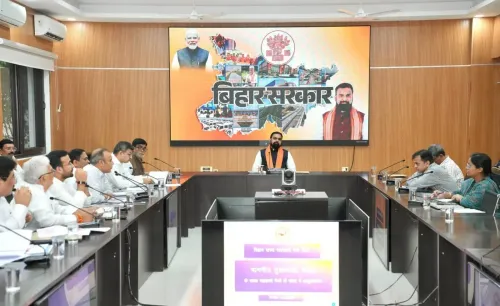
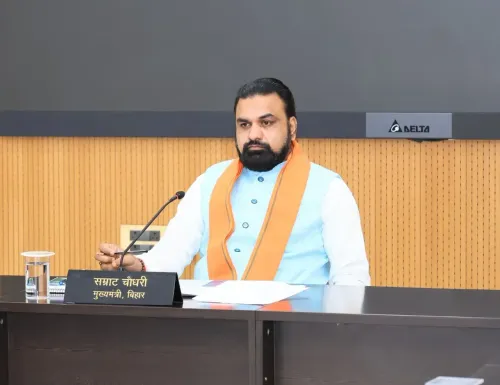
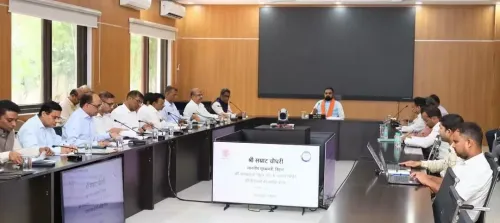
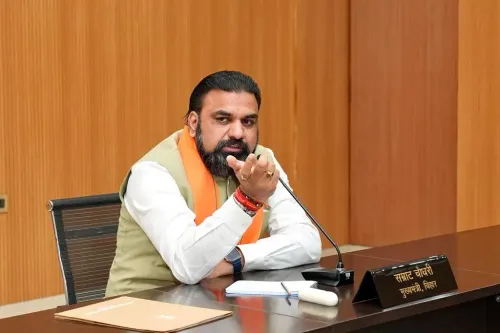
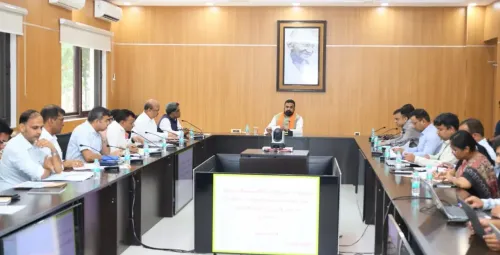
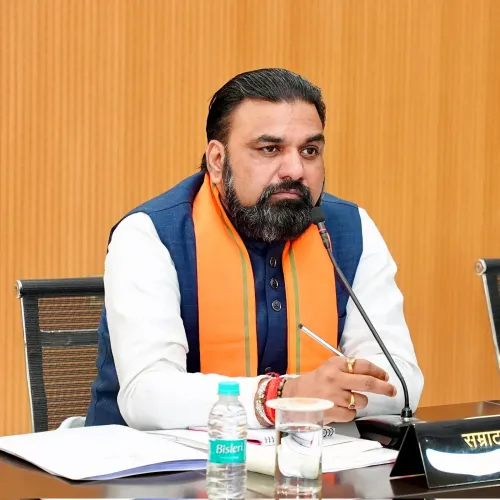
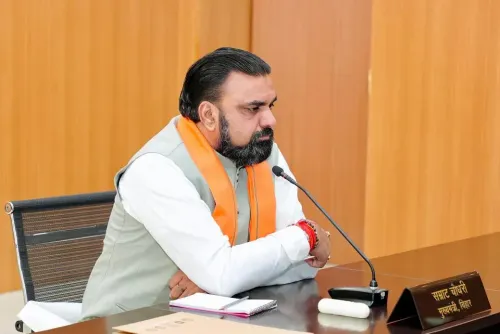
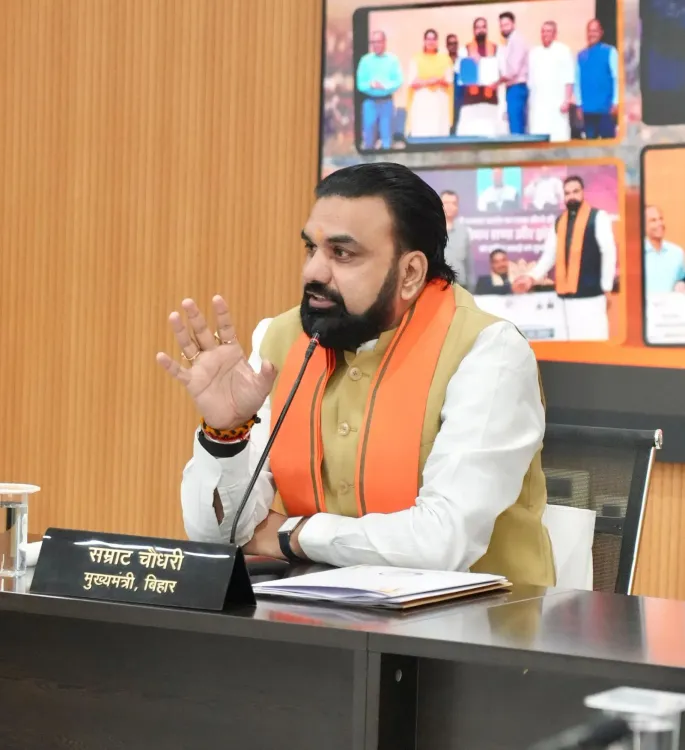
Bihar CM Samrat Choudhary chaired a major infrastructure review on September 24, 2026 at Sankalp Sabhagar, Lok Sevak Awas, Patna.
Progress of flood-control works on the Ganga, Gandak, and Kosi rivers was reviewed, covering north Bihar's most flood-prone corridors.
The Buxar–Bhagalpur 6-lane Greenfield Expressway , a key road connectivity project for Bihar's eastern corridor, was on the agenda.
The Pirpainti Thermal Power Project in Bhagalpur aims to expand Bihar's in-state power generation capacity.
Implementation of PM-KUSUM , the central solar scheme for farmers launched in 2019 , was also assessed at the Chief Minister level.
The review linked state projects to the national #विकसित_भारत ('Developed India') vision.
Five of Bihar's most consequential development projects landed on the same review table on Thursday, September 24, 2026 — and Bihar Chief Minister Samrat Choudhary chaired the session himself, signalling that the state's infrastructure agenda is moving at the top of the political priority stack.
What Was on the Table at Sankalp Sabhagar
The meeting was held at the Sankalp Sabhagar inside Lok Sevak Awas, the Chief Minister's official residence complex in Patna. The agenda was unusually wide: flood-control works on the Ganga, Gandak, and Kosi rivers; the Buxar–Bhagalpur 6-lane Greenfield Expressway; the Pirpainti Thermal Power Project in Bhagalpur; and the roll-out of the PM-KUSUM solar scheme for farmers. Five distinct sectors — water resources, road connectivity, thermal power, and renewable energy — addressed in a single sitting.
The Chief Minister shared the review on X with the hashtags #समृद्ध_बिहार ('Prosperous Bihar') and #विकसित_भारत ('Developed India'), explicitly tying the state-level exercise to the national development narrative.
Why the Kosi and Its Sisters Matter
The inclusion of Ganga, Gandak, and Kosi river projects is not incidental. The Kosi, in particular, has flooded north Bihar with devastating regularity for generations — earning the grim nickname 'the sorrow of Bihar.' Embankment reinforcement and flood-management works along these rivers directly affect millions of people in some of the state's most vulnerable districts. Reviewing their progress at the Chief Minister level sends a clear signal about accountability for delivery.
The Expressway and Power Plant Pairing
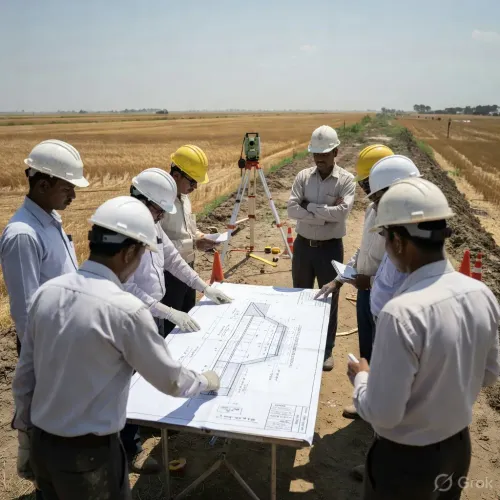
The Buxar–Bhagalpur 6-lane Greenfield Expressway is among Bihar's most watched highway projects — a spine that would dramatically cut travel time across the state's eastern corridor and open up freight movement. Alongside it, the Pirpainti Thermal Power Project in Bhagalpur district is central to Bihar's plan to expand its own generation capacity and reduce dependence on power imports. Both projects represent large capital commitments that require consistent political oversight to stay on track.
PM-KUSUM: Solar Power Reaching the Farm Gate
The PM-KUSUM scheme, launched by the Government of India in 2019, is designed to install solar pumps and grid-connected solar plants for farmers — shifting agriculture away from diesel pumps while giving rural communities a stake in the clean energy transition. Its inclusion in a CM-level review suggests Bihar is tracking implementation gaps and pushing for faster ground-level uptake among the farming community.
Multi-sector reviews of this kind are standard administrative practice, but the breadth of Thursday's session — spanning flood control, highways, power generation, and farm-level solar — reflects the scale of Bihar's current infrastructure calendar. Every project on that list has a constituency of citizens waiting for results.
Point of View
Not just urban stakeholders. How quickly the Pirpainti plant and the Buxar-Bhagalpur expressway cross key milestones will determine whether these reviews translate into electoral capital or remain on paper.
NationPress
24 Sept 2026
Frequently Asked Questions
What is the Buxar-Bhagalpur Greenfield Expressway?
The Buxar-Bhagalpur Greenfield Expressway is a proposed 6-lane highway project in Bihar designed to improve connectivity between Buxar and Bhagalpur districts, boosting freight movement and travel times along the state's eastern corridor under national highway development plans.
What is the Pirpainti Thermal Power Project?
The Pirpainti Thermal Power Project is a power plant initiative located in Pirpainti, Bhagalpur district, Bihar, aimed at increasing the state's own electricity generation capacity and reducing dependence on power sourced from outside the state.
What is PM-KUSUM scheme and how does it benefit Bihar farmers?
PM-KUSUM (Pradhan Mantri Kisan Urja Suraksha evam Utthaan Mahabhiyan) is a central government scheme launched in 2019 that supports installation of solar pumps and grid-connected solar plants for farmers, reducing reliance on diesel pumps and providing a clean energy alternative in rural agriculture.
Why is the Kosi river important to Bihar's flood management?
The Kosi river in north Bihar has historically caused severe and frequent flooding, earning it the name 'the sorrow of Bihar.' Embankment reinforcement and flood-management projects along the Kosi are critical for protecting millions of people in vulnerable districts of the state.
Where did Bihar CM Samrat Choudhary hold the infrastructure review meeting?
Bihar Chief Minister Samrat Choudhary held the infrastructure review meeting at the Sankalp Sabhagar inside Lok Sevak Awas, his official residence complex in Patna, on September 24, 2026.