Puri, Gadkari launch flex-fuel Splendor Plus, HF Deluxe bikes
Synopsis
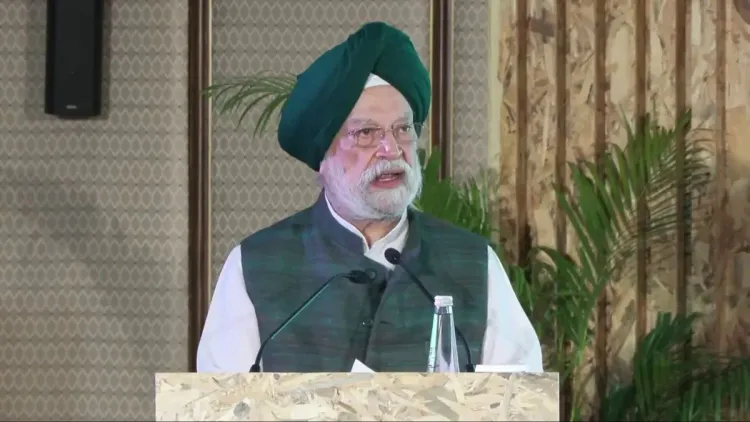
Union Petroleum Minister Hardeep Singh Puri joined Nitin Gadkari to launch flex-fuel versions of the Splendor Plus and HF Deluxe motorcycles, compatible with E20 to E85 blends. Puri framed the move as a milestone in India's energy security and self-reliance push, projecting large gains in ethanol demand, farmer income and CO2 reduction if flex-fuel adoption scales.
Key Takeaways
Flex-fuel variants of the Splendor Plus and HF Deluxe launched, compatible with E20 to E85 blends.
Union Petroleum Minister Hardeep Singh Puri and Union Minister Nitin Gadkari jointly launched the vehicles.
Puri projected 311.8 crore litres of additional ethanol demand if 50% of new two- and four-wheeler sales shift to flex-fuel.
Projected farmer income gain of Rs 12,403 crore and CO2 reduction of 66.4 lakh metric tonnes cited.
Move builds on the 2003 Ethanol Blended Petrol Programme and the 2018 National Policy on Biofuels.
India advanced its E20 blending target from 2030 to 2025 in a 2021 policy decision.
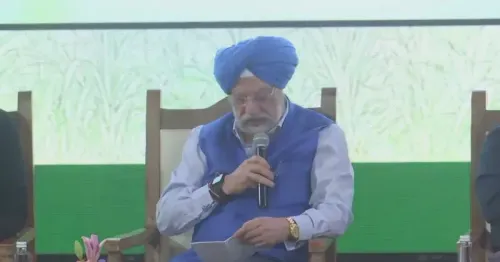
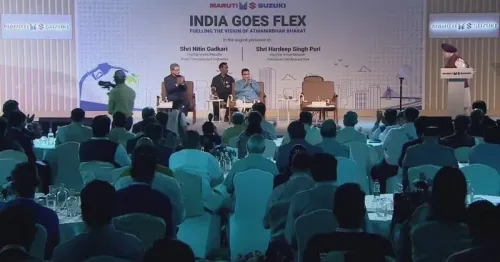
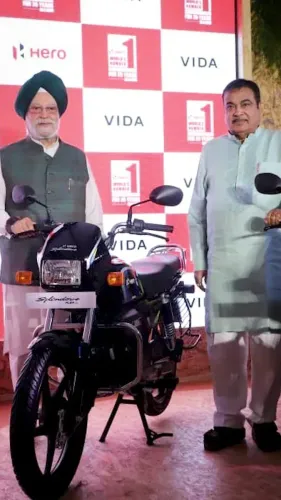
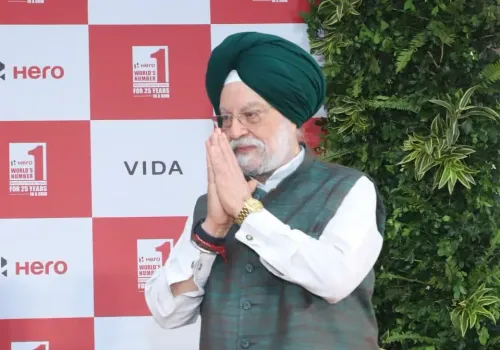
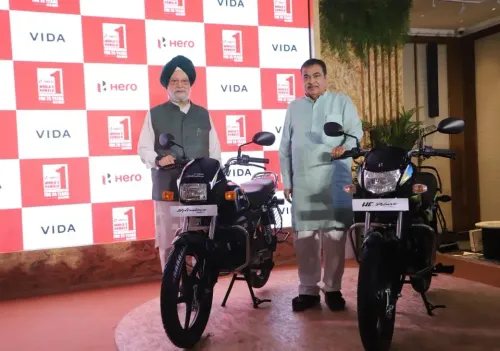
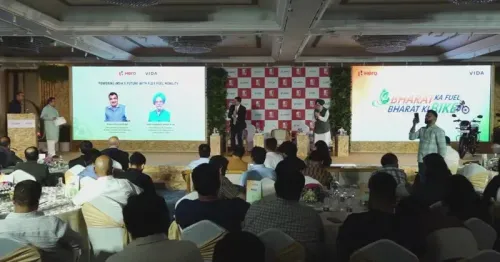
Union Petroleum Minister Hardeep Singh Puri on Wednesday joined Union Road Transport and Highways Minister Nitin Gadkari to launch flex-fuel variants of the country's two highest-selling motorcycles, the Splendor Plus and the HF Deluxe, calling it a 'major milestone in India's energy security journey'. The new variants are designed to run on fuel blends ranging from E20 to E85, signalling a push to extend ethanol-compatible technology into India's mass two-wheeler segment.
Context
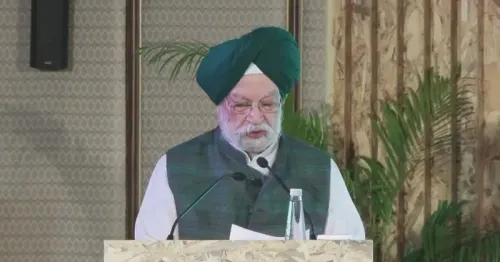
In his post, Puri framed the launch as a step under Prime Minister Narendra Modi's leadership and tied it to the government's self-reliance pitch. 'Made in India motorcycles with Made in India fuel,' he wrote, adding in Hindi 'Bharat ka eendhan - Bharat ki bike' (India's fuel, India's bike), which he described as a continuing stride toward aatmanirbharta (self-reliance).
The Splendor Plus and HF Deluxe are among the highest-volume commuter motorcycles sold in India, making their flex-fuel adaptation a potentially significant scaling event for ethanol-based mobility. Flex-fuel engines can operate on petrol blended with varying proportions of ethanol, with E20 denoting a 20% ethanol blend and E85 an 85% blend.
Policy backdrop
India's biofuel push dates back to the Ethanol Blended Petrol Programme launched in 2003, which set the stage for blending ethanol with petrol to cut crude oil imports. The National Policy on Biofuels, approved in 2018, expanded the framework with blending targets and feedstock diversification.
In 2021, the government advanced its E20 blending target from 2030 to 2025, accelerating the demand side of the equation. Extending flex-fuel compatibility to high-volume two-wheelers is a logical next step, since two-wheelers account for the bulk of petrol consumption in personal mobility.
Stakeholders and impact
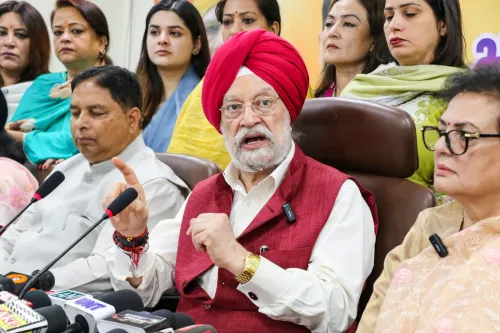
Puri laid out a scenario in which half of all new two- and four-wheeler sales eventually shift to flex-fuel vehicles. In that case, he cited potential gains of 311.8 crore litres of additional ethanol demand, Rs 12,403 crore in additional farmer income, and a reduction of 66.4 lakh metric tonnes in CO2 emissions.
The stakeholders span a wide arc: sugarcane and grain farmers who supply ethanol feedstock, two-wheeler manufacturers retooling product lines, and oil marketing companies managing blended-fuel logistics at the retail level. For farmers, assured ethanol off-take has long been pitched as a route to stabilising rural incomes alongside minimum support prices.
For the exchequer, reduced crude oil import dependence carries macroeconomic weight given that imports account for a large share of India's energy bill and foreign exchange outflow. Puri argued the benefits would 'multiply to strengthen farmer incomes, reducing import dependence, enhancing energy security'.
What's next
The immediate watch is on how quickly flex-fuel variants are rolled out across additional two-wheeler and passenger vehicle platforms, and whether they are accompanied by fiscal incentives or regulatory mandates to spur uptake. Pricing parity between flex-fuel and conventional variants will be a key determinant of consumer adoption in the price-sensitive commuter segment.
Equally critical will be the supply side: progress on new ethanol production capacity, feedstock availability beyond sugarcane, and the actual blending percentages achieved at fuel retail outlets as the 2025 E20 milestone approaches. The pace at which these elements align will determine whether the launch translates from a symbolic milestone into the structural shift in India's transport fuel mix that Puri's projections envisage.
Point of View
The volume leaders of the commuter segment, is the demand-side bet that earlier blending mandates were always building toward. The harder questions remain unresolved: ethanol feedstock sustainability beyond sugarcane, pricing competitiveness for cost-conscious buyers, and retail availability of higher blends. The projections Puri cited are aspirational scenarios, not committed outcomes, and will hinge on policy follow-through across ministries.
NationPress
21 Oct 2026
Frequently Asked Questions
What is a flex-fuel vehicle?
A flex-fuel vehicle is one whose engine can run on petrol blended with varying proportions of ethanol, typically ranging from E20 (20% ethanol) up to E85 (85% ethanol). The new Splendor Plus and HF Deluxe variants launched by the government are designed to operate across this full E20 to E85 range.
Which bikes were launched with flex-fuel technology?
The Splendor Plus and HF Deluxe, two of the highest-selling commuter motorcycles in India, were launched in flex-fuel variants. The launch was led by Union Petroleum Minister Hardeep Singh Puri and Union Road Transport and Highways Minister Nitin Gadkari.
What is India's E20 ethanol blending target?
India is targeting 20% ethanol blending in petrol (E20) by 2025. The deadline was advanced from the original 2030 target in a 2021 policy decision to accelerate biofuel adoption and cut crude oil imports.
How does ethanol blending help farmers?
Ethanol blending creates assured demand for feedstocks such as sugarcane and grain, giving farmers a steady off-take channel beyond food markets. Puri projected an additional Rs 12,403 crore in farmer income if half of all new two- and four-wheeler sales shift to flex-fuel vehicles.
What is the Ethanol Blended Petrol Programme?
The Ethanol Blended Petrol Programme is a government initiative launched in 2003 to blend ethanol with petrol and reduce India's dependence on crude oil imports. It was expanded by the National Policy on Biofuels in 2018, which set wider blending targets and feedstock diversification goals.