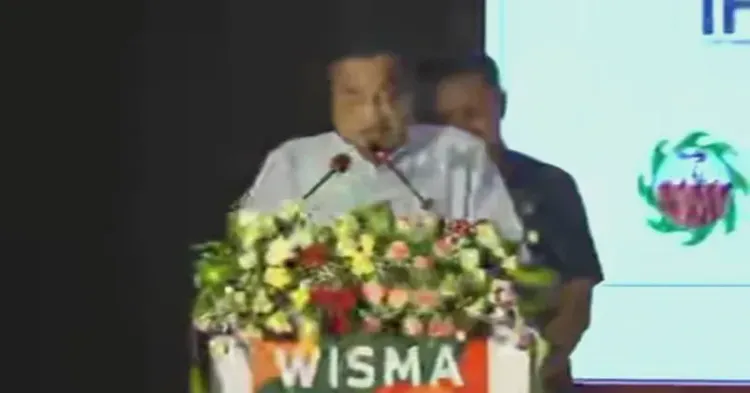
Gadkari addresses Sugar & Bioenergy Conference in Pune
Synopsis
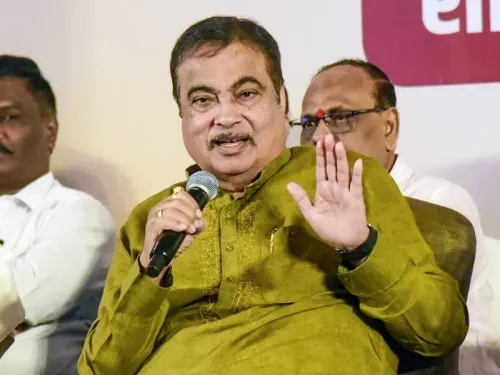
Union Minister Nitin Gadkari addressed the Sugar and Bioenergy Conference, Award and Expo 2026 in Pune on 30 May 2026, reinforcing the government's ethanol blending agenda that links farmer income support, crude-oil import reduction, and lower vehicular emissions under the National Policy on Biofuels.
Key Takeaways
Nitin Gadkari addressed the Sugar and Bioenergy Conference, Award and Expo 2026 in Pune on 30 May 2026 .
India's National Policy on Biofuels 2018 set the framework for expanded ethanol and biodiesel blending across sectors.
The government advanced the 20% ethanol-blending target from 2030 to 2025 in a 2022 policy revision.
2021 Motor Vehicles Act amendments enabled rules for E20-compliant and flex-fuel vehicles .
Key stakeholders include sugarcane farmers , sugar mills , and oil marketing companies dependent on blending mandates for assured offtake.
Upcoming milestones include flex-fuel vehicle manufacturing notifications and wider E20 fuel retail rollout .
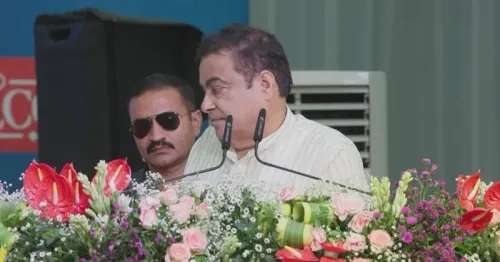
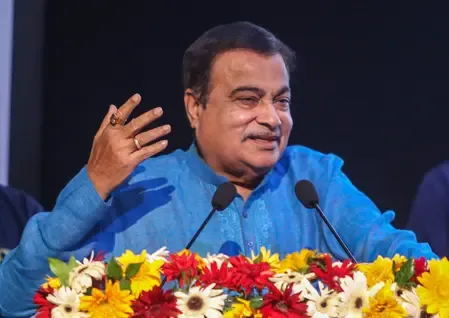
Union Road Transport and Highways Minister Nitin Gadkari addressed the Sugar and Bioenergy Conference, Award and Expo 2026 in Pune on Saturday, 30 May 2026, underlining the central government's continued push to position bioenergy as a pillar of India's transport and agriculture policy.
Context
Pune, situated at the edge of Maharashtra's sugar belt, has emerged as a natural hub for industry events linking sugarcane cultivation, ethanol production, and renewable energy. The Sugar and Bioenergy Conference, Award and Expo brings together sugar mills, farmers, oil marketing companies, and policymakers to assess the state of India's biofuel ecosystem. Gadkari's presence as the keynote figure signals the Road Transport Ministry's direct stake in how bioenergy feeds into fuel and vehicle standards.
Policy Backdrop
India's National Policy on Biofuels, 2018 widened the range of permissible feedstocks and set indicative blending targets for both ethanol and biodiesel. In 2022, the government advanced its 20 per cent ethanol-blending target by five years, pulling the deadline from 2030 to 2025, reflecting accelerated ambition under the Ethanol Blended Petrol (EBP) programme. Amendments to the Motor Vehicles Act in 2021 simultaneously cleared the regulatory path for E20-compliant and flex-fuel vehicles on Indian roads.
Gadkari has been among the most vocal cabinet voices linking higher ethanol uptake to three converging goals: supporting sugarcane farmers' incomes, cutting India's dependence on crude-oil imports, and reducing vehicular emissions. His ministry's mandates on vehicle technology and fuel standards make him a pivotal actor in translating blending targets into on-road reality.
Stakeholders and Impact
The sugar industry sits at the upstream end of the ethanol supply chain: surplus sugarcane and molasses are the primary feedstocks for distilleries that supply oil marketing companies under the EBP programme. Higher blending mandates translate directly into assured offtake for sugar mills and better price realisation for sugarcane farmers, particularly in Maharashtra, Uttar Pradesh, and Karnataka. Oil marketing companies bear the logistical and infrastructural burden of scaling up blended-fuel distribution to retail outlets nationwide.
For the transport sector, the shift to E20 fuel and eventual wider flex-fuel adoption requires coordinated action between vehicle manufacturers, fuel retailers, and regulators — a coordination role that the Road Transport Ministry is positioned to drive.
What's Next
Industry observers are watching for regulatory notifications on flex-fuel vehicle manufacturing targets and the pace of E20 fuel rollout at petrol retail outlets across the country. With the 2025 blending target window now passed, the government's next stated milestone and enforcement mechanism will be closely scrutinised. Gadkari's address at a high-profile industry forum suggests the ministry intends to keep bioenergy firmly on the policy agenda into the second half of the decade.
Point of View
Fuel, and farm-supply chains to move in lockstep. With the government's own 2025 blending deadline now elapsed, the conference provides a useful stage to reframe the conversation around the next phase of targets and compliance timelines. Whether the address translates into binding regulatory action will be the real test of the ministry's intent.
NationPress
16 Sept 2026
Frequently Asked Questions
Why did Nitin Gadkari attend the Sugar and Bioenergy Conference in Pune?
As Union Road Transport and Highways Minister, Gadkari has championed ethanol blending and flex-fuel vehicles as tools to cut crude-oil imports and reduce vehicular emissions, making bioenergy conferences a key platform for his ministry's agenda.
What is India's ethanol blending target and has it been met?
India set a target of blending 20 per cent ethanol in petrol, with the deadline advanced from 2030 to 2025 in 2022; the pace of achievement at retail outlets remains a subject of ongoing government and industry review.
What is the National Policy on Biofuels 2018?
The National Policy on Biofuels 2018 is a central government framework that widened permissible feedstocks for ethanol and biodiesel production and set indicative blending targets across transport and other sectors.
What are flex-fuel vehicles and why are they relevant to India's sugar industry?
Flex-fuel vehicles can run on varying blends of petrol and ethanol, creating sustained demand for ethanol derived from sugarcane — directly benefiting sugar mills and farmers in states like Maharashtra and Uttar Pradesh.
What should we watch for after the Pune bioenergy conference?
Key developments to track include government notifications on flex-fuel vehicle manufacturing mandates and the expansion of E20 fuel availability at retail petrol outlets across India.