Gadkari addresses clean energy programme in Khandala, Pune
Synopsis
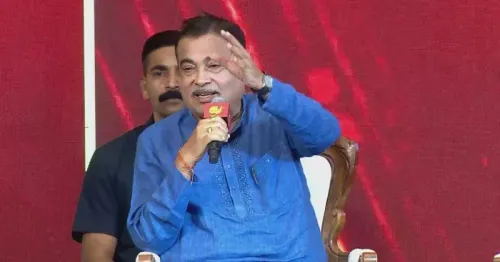
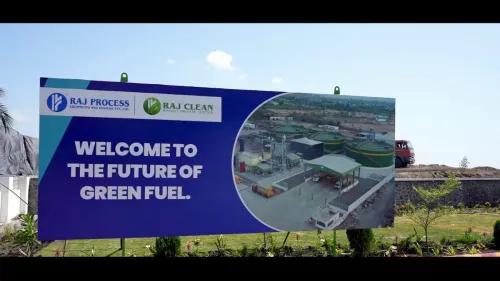
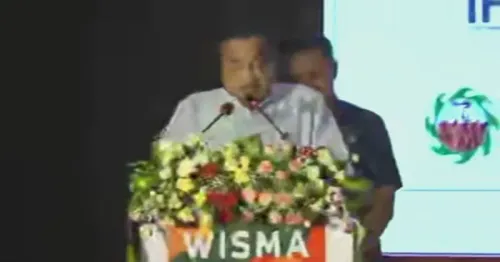
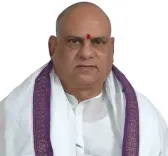
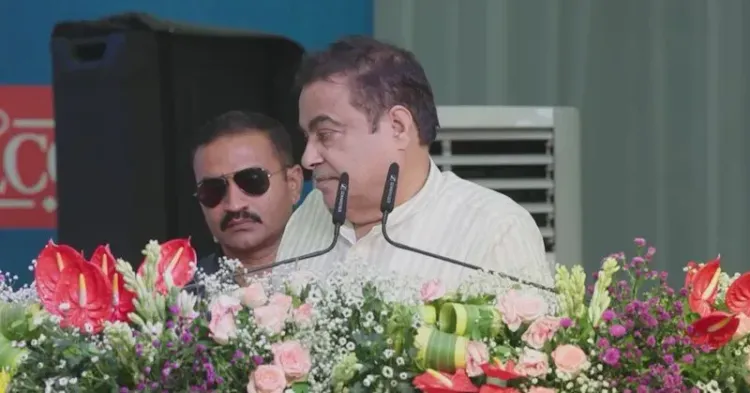
Union Minister Nitin Gadkari addressed a programme at Raj Clean Energy in Khandala, Pune on 30 May 2026. The visit reflects the ministry's sustained effort to link India's highway expansion under Bharatmala with clean energy adoption, biofuel blending targets, and lower-emission transport infrastructure.
Key Takeaways
Nitin Gadkari addressed a programme at Raj Clean Energy in Khandala, Pune on 30 May 2026 .
The visit aligns with the ministry's policy of integrating clean energy with highway infrastructure under the Bharatmala Pariyojana framework.
The National Policy on Biofuels, 2018 and the Ethanol Blended Petrol Programme form the backbone of the ministry's green transport push.
Pune is a key automotive and industrial hub, making it a strategic location for clean energy and transport policy engagement.
Further policy announcements on biofuel blending targets and EV corridor infrastructure are expected in upcoming budget and ministry review cycles.
Union Road Transport and Highways Minister Nitin Gadkari addressed a programme at Raj Clean Energy in Khandala, Pune on Saturday, 30 May 2026, signalling the ministry's continued push to integrate clean energy solutions with India's expanding road transport sector.
Context
Khandala, located along the Mumbai-Pune expressway corridor in Maharashtra, is part of one of India's most industrially active belts. The region sits at the intersection of the country's busiest freight and passenger highway routes, making it a fitting venue for a minister who has consistently championed alternative fuels and greener transport infrastructure.
Gadkari's visit to Raj Clean Energy underscores the ministry's interest in engaging directly with clean energy enterprises operating in proximity to major highway corridors. The address is consistent with his long-standing public advocacy for ethanol, methanol, hydrogen, and other non-fossil fuel alternatives in the transport sector.
Policy Backdrop
The ministry's clean energy push is anchored in a series of policy instruments developed over the past decade. The National Policy on Biofuels, 2018 expanded blending targets for ethanol in petrol and biodiesel in diesel, with the stated goal of reducing India's dependence on crude oil imports and cutting vehicular emissions.
Complementing this, the Ethanol Blended Petrol Programme has seen progressive blending targets increase steadily since 2018, with the Road Transport Ministry playing a central role in building demand from the automotive and logistics sectors. The Green Highways Policy, 2015 had earlier established a framework for embedding environmental objectives — including plantation and beautification — directly into national highway projects.
These initiatives collectively form part of the broader Bharatmala Pariyojana framework, under which the government has sought to combine large-scale road construction with lower-emission technologies and climate-aligned infrastructure planning.
Stakeholders and Impact
Pune is a major automotive and industrial hub, home to several large vehicle manufacturers and component suppliers who are directly affected by fuel policy shifts. Clean energy companies operating in the region stand to benefit from policy signals that encourage adoption of alternative fuels in commercial and private transport fleets.
Highway developers and logistics firms are also key stakeholders, as the ministry's push for green corridors and EV charging infrastructure along national highways directly shapes project design and investment decisions. Auto manufacturers have been closely tracking the ministry's biofuel and hydrogen vehicle targets as they plan their domestic product roadmaps.
What's Next
The ministry's engagement with clean energy firms at the ground level is expected to feed into upcoming policy reviews and potential state-level project sanctions. Further announcements on revised biofuel blending targets or expanded EV infrastructure mandates along national highways are anticipated ahead of the next budget session.
Gadkari's direct outreach to enterprises like Raj Clean Energy reflects a pattern of ministerial engagement designed to accelerate private-sector participation in India's green transport transition — a priority that successive central governments have linked to both connectivity and climate commitments.
Point of View
Rather than confining it to parliamentary or inter-ministerial forums. The choice of Pune — India's automotive heartland — amplifies the signal to vehicle manufacturers and logistics companies that the ministry expects the private sector to accelerate its clean fuel transition. This fits a broader arc in which the Road Transport Ministry has positioned itself as a climate-policy actor, not merely an infrastructure builder. The engagement also sets a political marker ahead of anticipated budget-cycle announcements on biofuel and EV infrastructure targets.
NationPress
14 Oct 2026
Frequently Asked Questions
Why did Nitin Gadkari visit Khandala Pune in May 2026?
Gadkari addressed a programme at Raj Clean Energy in Khandala, Pune on 30 May 2026, as part of the ministry's ongoing engagement with clean energy enterprises along major highway corridors.
What is Raj Clean Energy in Khandala Pune?
Raj Clean Energy is a clean energy company based in Khandala, Pune, which hosted Union Minister Nitin Gadkari for an address on 30 May 2026. Specific details of its operations are not yet available from established public records.
What is India's National Policy on Biofuels?
India's National Policy on Biofuels, introduced in 2018, expanded targets for blending ethanol in petrol and biodiesel in diesel to reduce crude oil imports and lower vehicular emissions.
What is the Bharatmala Pariyojana and how does it relate to clean energy?
Bharatmala Pariyojana is the central government's flagship highway construction programme. The Road Transport Ministry has linked it to clean energy goals by promoting green highway standards, EV charging corridors, and biofuel adoption along national highway routes.
What are India's ethanol blending targets for petrol?
Under the Ethanol Blended Petrol Programme, India has progressively raised blending targets since 2018, with the Road Transport Ministry actively driving demand from the automotive and logistics sectors.