Assam Govt to Plant Ezar Trees Along NH-37 Bypass
Synopsis
The Chief Minister's Office of Assam announced on July 16, 2026, that Ezar trees will be planted along the NH-37 bypass in Guwahati under the state's Purple City Plan, marking a significant step in the city's urban greening agenda.
Key Takeaways
The Assam government will plant Ezar trees along the NH-37 bypass in Guwahati .
The plantation is part of the Guwahati Purple City Plan , a state-led urban greening initiative.
The announcement was made by the Chief Minister's Office of Assam on July 16, 2026 .
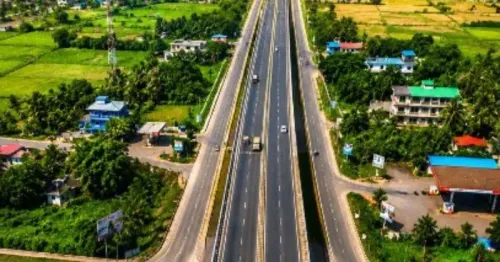
The NH-37 bypass was originally built to reduce traffic congestion around Guwahati city.
Chief Minister Himanta Biswa Sarma has overseen multiple infrastructure and environmental programmes since taking office in May 2021 .
Timeline, scale, and post-planting monitoring details have not yet been officially disclosed.
The Chief Minister's Office of Assam announced on Thursday, July 16, 2026 that the state government will plant Ezar trees along the NH-37 bypass as part of the Guwahati Purple City Plan, a greening and urban beautification initiative for the city.
Context
Guwahati, the largest city and commercial hub of Assam in Northeast India, has been the focus of several urban infrastructure and environmental projects in recent years. The NH-37 bypass was built to divert heavy traffic around the city, and the state government is now looking to transform this corridor into a green avenue through systematic tree plantation.
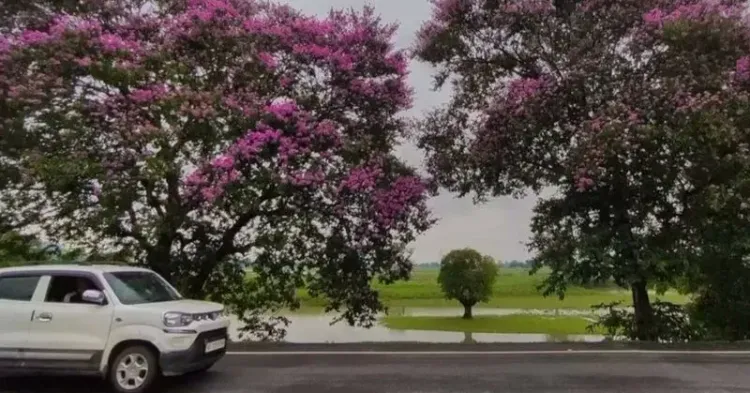
The Ezar tree, known for its dense canopy and adaptability to the Assamese climate, has been selected for this stretch, though the exact scale and budget of the plantation drive have not been detailed in the official announcement.
Policy Backdrop
The plantation initiative forms part of the broader Guwahati Purple City Plan, a framework under which the state administration is pursuing colour-coded urban greening and beautification across different zones of the city. Chief Minister Himanta Biswa Sarma, who has led the state since May 2021, has championed multiple urban development and environmental programmes in Assam during his tenure.
Across India, roadside tree plantation along national highways has gained traction as a strategy to offset carbon emissions, reduce urban heat islands, and improve air quality. Similar green-corridor efforts have been undertaken in other Northeast states as part of state environmental policy frameworks.
Stakeholders and Impact
The primary beneficiaries of this initiative will be Guwahati residents and daily commuters who use the NH-37 bypass. A well-maintained tree line along the highway can reduce noise pollution, provide shade, and improve the visual character of the city's entry and exit corridors.
Environmental groups and urban planners have long advocated for integrating green buffers into highway infrastructure in rapidly urbanising cities like Guwahati. If executed and monitored effectively, the plantation could contribute meaningfully to the city's overall green cover.
What's Next
The key variables to watch are the timeline for the plantation drive, the number of Ezar trees to be planted, and the survival-monitoring mechanisms the state puts in place once work begins on the bypass stretch. Plantation announcements in Indian urban planning often hinge on post-planting care and maintenance protocols for long-term success.
The Guwahati Purple City Plan is expected to unfold in phases, and this NH-37 bypass component signals an early, visible step in that broader urban greening agenda for Assam's principal city.
Point of View
The credibility of such announcements in Indian urban governance has historically rested on implementation and survival monitoring, not the announcement itself. Chief Minister Sarma's administration will need to publish measurable targets and maintenance protocols to distinguish this initiative from routine pre-monsoon plantation exercises.
NationPress
16 Jul 2026
Frequently Asked Questions
What is the Guwahati Purple City Plan?
The Guwahati Purple City Plan is an urban greening and beautification initiative by the Assam government, under which different zones of Guwahati are being developed with colour-coded plantation and landscaping drives, including the Ezar tree plantation along the NH-37 bypass.
What are Ezar trees and why are they being planted in Guwahati?
Ezar trees are being planted along the NH-37 bypass in Guwahati as part of the state's Purple City Plan. They are considered suitable for the Assamese climate and are expected to provide green cover, shade, and improve air quality along the highway corridor.
Where is the NH-37 bypass located?
The NH-37 bypass runs around Guwahati, the largest city in Assam, and was built to divert heavy traffic away from the city centre. The Assam government has now announced tree plantation along this stretch.
Who announced the Ezar tree plantation on NH-37?
The announcement was made by the Chief Minister's Office of Assam on July 16, 2026, under Chief Minister Himanta Biswa Sarma's administration.
How does this fit into Assam's broader environmental policy?
The Ezar tree plantation on NH-37 is part of a broader pattern of roadside greening along national highways in India, aimed at reducing carbon emissions and urban heat. Assam's Purple City Plan extends this approach into a structured urban beautification framework for Guwahati.