Nitin Gadkari dares E20 petrol critics: Name one car affected
Synopsis
Nitin Gadkari threw down a public gauntlet at the Viksit Bharat Conclave — dare critics to name even one car harmed by E20 petrol. With India already hitting its 20% ethanol-blending target and ₹22 lakh crore in annual fuel imports at stake, the minister’s combative defence signals the government has no intention of slowing its biofuel push, despite organised opposition.
Key Takeaways
Nitin Gadkari challenged critics of the E20 ethanol-blending programme to name a single vehicle damaged by the fuel at the Viksit Bharat Conclave on 7 July .
He dismissed concerns over fuel efficiency and engine damage as ‘paid campaigns’ with no evidentiary basis.
India spends approximately ₹22 lakh crore annually on fuel imports, making ethanol blending a strategic priority.
India has already achieved its target of blending 20 per cent ethanol with petrol.
Gadkari credited the programme with channelling an additional ₹45,000 crore to farmers in Uttar Pradesh and Bihar .
The minister denied that his family’s sugar factory interests create a conflict of interest with the ethanol policy.
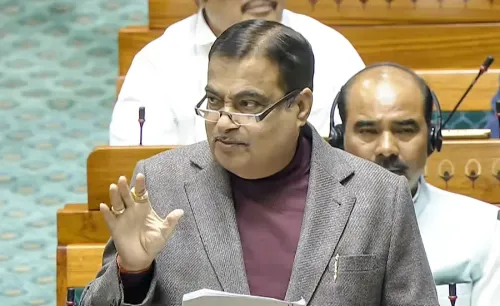
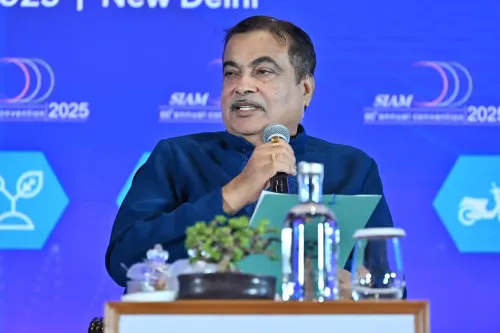
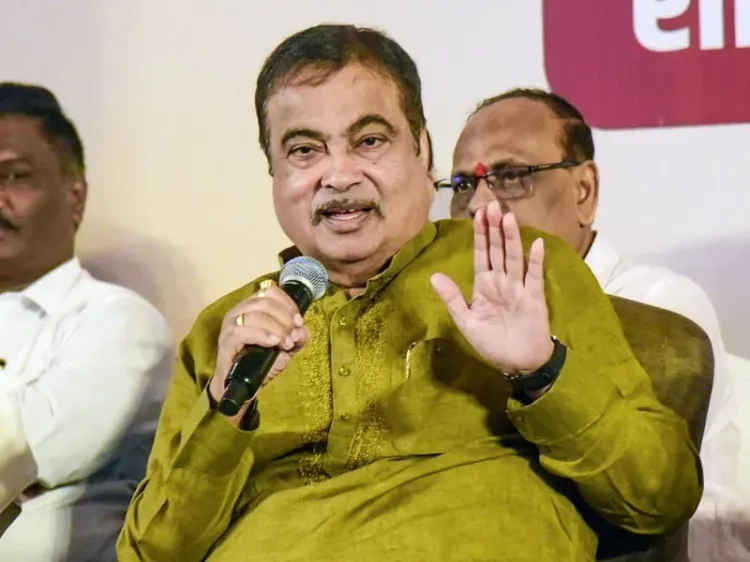
Union Road Transport and Highways Minister Nitin Gadkari on Tuesday, 7 July issued a pointed challenge to critics of India's E20 ethanol-blending programme, demanding they identify a single vehicle that has been damaged by the use of 20 per cent ethanol-blended petrol. Speaking at the Viksit Bharat Conclave in New Delhi, Gadkari dismissed concerns over reduced fuel efficiency and engine damage as orchestrated ‘paid campaigns’ with no factual basis.
The Challenge from the Minister
“There is no case of any car facing issues due to E20 petrol. Has there been any car in the country that faced issues due to the use of E20 petrol? Just name one,” Gadkari said, directly addressing detractors of the government’s ethanol push. He asserted that no evidence exists to support allegations that E20 petrol causes vehicle damage, and accused those spreading such narratives of being sponsored to do so.
“...false narratives are being spread about the roll-out of higher ethanol-blended petrol. These are paid campaigns,” he added.
Why India Is Pushing Ethanol Blending
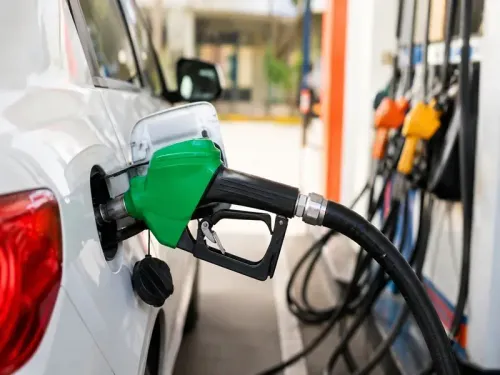
India’s dependence on fossil fuel imports remains a significant economic and environmental burden. According to Gadkari, the country spends approximately ₹22 lakh crore annually on fuel imports. The transition to ethanol-blended petrol — produced from biomass such as sugarcane, corn, and rice — is being promoted as a way to cut crude oil imports, lower carbon emissions, and strengthen energy security.
Notably, India has already achieved its stated target of blending 20 per cent ethanol with petrol, a milestone that was originally set for 2025. This positions India among the few large economies to have met such an aggressive biofuel blending target at scale.
Conflict of Interest Allegations
Gadkari also addressed allegations that his family’s business interests in the sugar sector create a conflict of interest with the government’s ethanol policy. He acknowledged that family members own sugar factories but denied that their companies are dependent on ethanol production for revenue.
Critics have argued that the rapid push for ethanol blending benefits sugar mill owners disproportionately, a charge the minister rejected without elaborating on the specific ownership structure of the family businesses.
Farmer Gains and Economic Argument
Defending the broader policy, Gadkari cited direct economic benefits to the agricultural sector. “As a result, an additional ₹45,000 crore went into the pockets of farmers from Uttar Pradesh and Bihar,” he said, framing ethanol blending as a rural income multiplier rather than merely an environmental initiative.
This argument follows a familiar pattern in Indian energy policy — linking fuel reform to agrarian welfare to build political consensus. Whether the income gains are distributed equitably across small and marginal farmers, or concentrated among larger mill owners, remains a question that independent assessments have not fully resolved.
What Comes Next
With the E20 target already met, the government’s next challenge is sustaining supply consistency and ensuring that automakers continue to produce E20-compatible vehicles across all segments. Industry observers note that the real test of the programme’s success will come as the blended fuel reaches tier-2 and tier-3 markets where older vehicle fleets are more common.
Point of View
But incremental efficiency loss in older, non-E20-tuned vehicles that still make up a large share of India’s fleet. The ‘paid campaigns’ framing, while politically convenient, avoids engaging with legitimate questions from automotive engineers and consumer groups. More critically, the conflict-of-interest allegation around sugar factory ownership was deflected rather than transparently addressed. As India pushes toward E20 at scale, independent monitoring of both vehicle performance data and farmer income distribution will determine whether this is a genuine energy transition or a policy that primarily benefits organised agribusiness.
NationPress
6 Oct 2026
Frequently Asked Questions
What is India’s E20 petrol programme?
India’s E20 programme mandates blending 20 per cent ethanol with petrol to reduce crude oil imports, cut carbon emissions, and support farmers who grow ethanol feedstocks like sugarcane, corn, and rice. India has already achieved this blending target.
What did Nitin Gadkari say about E20 petrol at the Viksit Bharat Conclave?
Gadkari challenged critics to identify a single vehicle that has suffered damage due to E20 petrol, asserting no such case exists. He called concerns about reduced fuel efficiency and engine damage ‘paid campaigns’ with no factual basis.
Why does India spend ₹22 lakh crore on fuel imports?
India is heavily dependent on crude oil imports to meet its energy needs, spending around ₹22 lakh crore annually according to Gadkari. Ethanol blending is being promoted as a way to reduce this import bill and improve energy security.
How have farmers benefited from the ethanol blending programme?
According to Gadkari, the ethanol programme has channelled an additional ₹45,000 crore to farmers in Uttar Pradesh and Bihar , as demand for sugarcane and other ethanol feedstocks has increased.
Does Nitin Gadkari have a conflict of interest in the ethanol policy?
Gadkari acknowledged that his family members own sugar factories but denied that their businesses are dependent on ethanol production. Critics have raised the conflict-of-interest question, which the minister has publicly rejected.