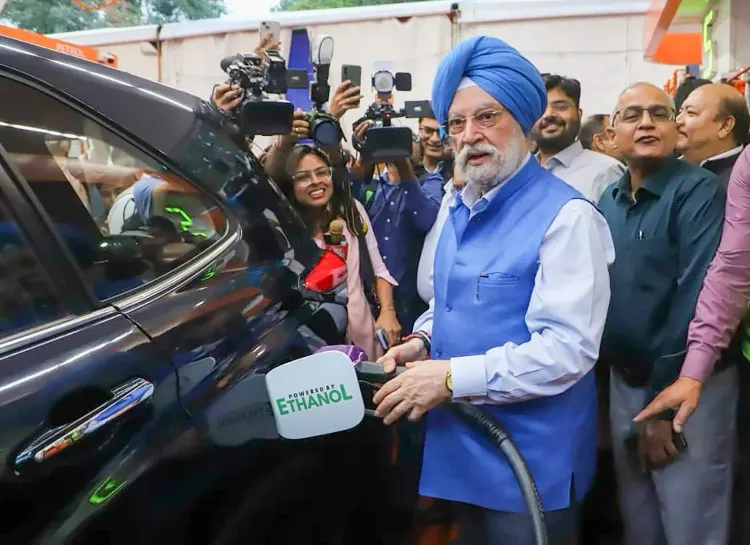
E85 fuel launched for flex-fuel vehicles; ethanol blending hits 20% ahead of target
Synopsis
India quietly hit its 2030 ethanol blending target in 2024 itself — six years early — and has now rolled out E85 fuel for compatible flex-fuel vehicles. With ₹90,000 crore committed under Samudra Manthan and SIAM consultations underway, the government is signalling that the ethanol story is far from over.
Key Takeaways
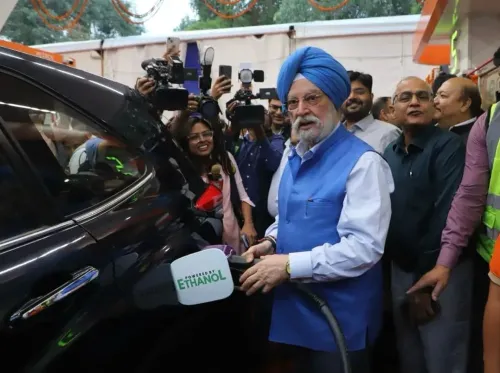
Petroleum Minister Hardeep Singh Puri confirmed the launch of E85 fuel for E85-compatible flex-fuel vehicles on Wednesday .
India's ethanol blending rose from 1.5 per cent in 2014 to 10 per cent in November 2022 ; the 20 per cent target set for 2030 was achieved in 2024 .
The government is in active consultations with SIAM and other industry bodies on further ethanol fuel expansion.
Under the Samudra Manthan initiative, ₹90,000 crore has been allocated for new well drilling and domestic energy production.
Subsidised LPG cylinders under Pradhan Mantri Ujjwala Yojana have been reduced from nine to four per year, citing alleged misuse by some beneficiaries.
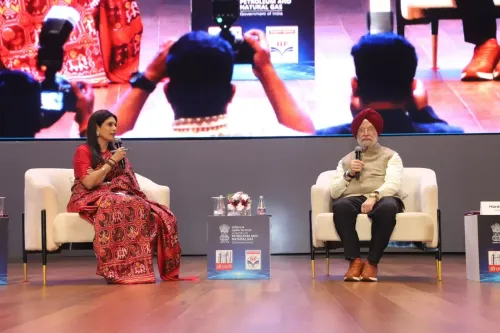
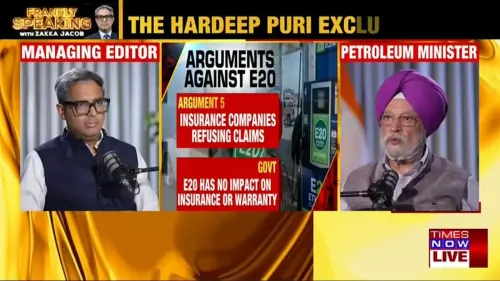
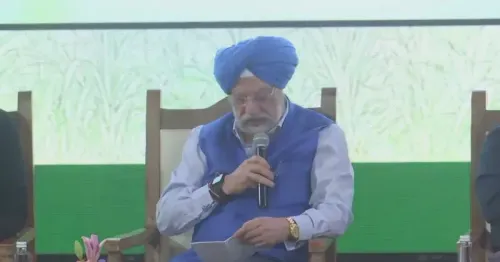
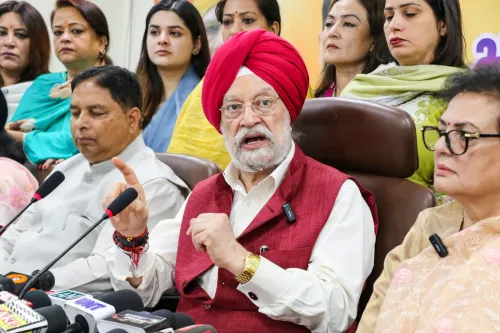
Petroleum and Natural Gas Minister Hardeep Singh Puri on Wednesday confirmed that the government has rolled out E85 fuel for E85-compatible flex-fuel vehicles and is conducting wide-ranging consultations with the automobile industry on the road ahead for ethanol-based fuels. The announcement underscores India's accelerating push toward energy self-reliance and reduced dependence on imported crude.
Ethanol Blending Milestones
Puri highlighted a significant policy achievement: ethanol blending in petrol has climbed from 1.5 per cent in 2014 to 10 per cent in November 2022. More notably, the government's target of achieving 20 per cent blending by 2030 was accomplished six years ahead of schedule — in 2024 itself.
'From 2014 until now, we have increased ethanol blending from 1.5 per cent to 10 per cent, which was achieved in November 2022. Our target was to achieve 20 per cent blending by 2030, but we completed it in 2024 itself,' Puri said.
E85 Rollout and Industry Consultations
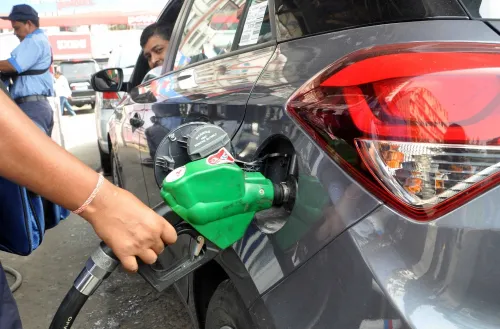
The minister clarified that E85 fuel — a blend of 85 per cent ethanol and 15 per cent petrol — is currently available exclusively for vehicles engineered to run on it. Broader adoption hinges on the availability of compatible vehicles in the market.
Consultations are ongoing with industry bodies including the Society of Indian Automobile Manufacturers (SIAM) and other stakeholder organisations to chart the next phase of expansion. 'We are having very widespread discussions with the industry, including our automobile association, SIAM, and other organisations,' Puri said.
Samudra Manthan and Domestic Energy Push
On the wider energy strategy, Puri said India is advancing on three fronts: increased domestic exploration and production, higher biofuel blending, and expanding renewable energy capacity. Under the Samudra Manthan initiative announced by Prime Minister Narendra Modi, ₹90,000 crore has been earmarked for drilling new wells and boosting domestic energy output — a move aimed at reducing the country's import bill.
Fuel Prices and LPG Subsidy Changes
Addressing concerns over recent fuel price increases, the minister said petrol prices in Delhi remain lower than they were four years ago, attributing this to multiple rounds of excise duty cuts by the Centre — in November 2021, May 2022, and more recently. Several Bharatiya Janata Party (BJP)-ruled states have also reduced value-added tax (VAT) on fuels, he noted.
On the reduction of subsidised LPG cylinders under the Pradhan Mantri Ujjwala Yojana from nine to four per year, Puri said the decision was driven by reports of misuse. According to the minister, some beneficiaries were allegedly diverting subsidised cylinders for commercial use or reselling them despite not requiring the full quota.
What Comes Next
With the 20 per cent blending target already met, the government's attention is now squarely on scaling E85 infrastructure and expanding the flex-fuel vehicle ecosystem. The outcome of ongoing SIAM consultations is expected to shape the next policy milestone — potentially a higher blending mandate or a broader E85 rollout timeline.
Point of View
And without a credible rollout of E85 pumps and affordable compatible cars, the fuel will remain a niche offering. The Ujjwala subsidy cut, meanwhile, deserves more scrutiny: reducing cylinders from nine to four on the basis of alleged misuse shifts the burden onto the scheme's most vulnerable beneficiaries, and the government has yet to publish the data underpinning that decision.
NationPress
27 Oct 2026
Frequently Asked Questions
What is E85 fuel and which vehicles can use it?
E85 is a high-ethanol fuel blend containing approximately 85 per cent ethanol and 15 per cent petrol. It can only be used in E85-compatible flex-fuel vehicles specifically engineered to handle high ethanol concentrations — standard petrol vehicles cannot run on it.
Has India achieved its 20 per cent ethanol blending target?
Yes. India's target was to achieve 20 per cent ethanol blending in petrol by 2030, but the government confirmed it was met in 2024 — six years ahead of schedule. Blending stood at just 1.5 per cent in 2014.
What is the Samudra Manthan initiative?
Samudra Manthan is an energy initiative announced by Prime Minister Narendra Modi under which ₹90,000 crore has been earmarked for drilling new wells and boosting domestic oil and gas production. It is part of India's broader push toward energy self-reliance.
Why has the government reduced subsidised LPG cylinders under Ujjwala Yojana?
The government reduced the annual subsidised LPG cylinder allocation under Pradhan Mantri Ujjwala Yojana from nine to four, citing reports that some beneficiaries were allegedly diverting cylinders for commercial use or reselling them. Minister Hardeep Singh Puri attributed the decision to curbing this alleged misuse.
What happens next for E85 and ethanol fuel expansion in India?
The government is in active consultations with SIAM and other industry organisations to determine the next phase of ethanol fuel expansion. The outcome of these talks is expected to shape future policy on E85 infrastructure rollout and potentially higher blending mandates.