India's ethanol blending hits 20% amid global oil shock, eyes E85 next
Synopsis
While a Strait of Hormuz closure sends crude prices soaring globally, India is sitting on a quietly built buffer: nearly 20% ethanol blending in petrol, built over two decades from a 1.53% baseline. With E85 and E100 fuels next in the pipeline, India's biofuel bet is drawing global attention as a replicable energy-security playbook.
Key Takeaways
India has achieved nearly 20 per cent ethanol blending in petrol, ahead of its original target schedule.
The blending level was just 1.53 per cent in 2014 ; the programme started with a 5 per cent target in 2003 .
The National Policy on Biofuels (2018) was the key turning point, expanding feedstock to grains, maize, and agricultural residues.
India is now preparing for E85 petrol and E100 fuels for flex-fuel vehicles.
The programme is saving India billions of dollars in foreign exchange by cutting crude oil imports amid the Strait of Hormuz disruption.
Benefits extend to rural India, supporting sugarcane farmers, grain producers , and creating jobs across agriculture and logistics.
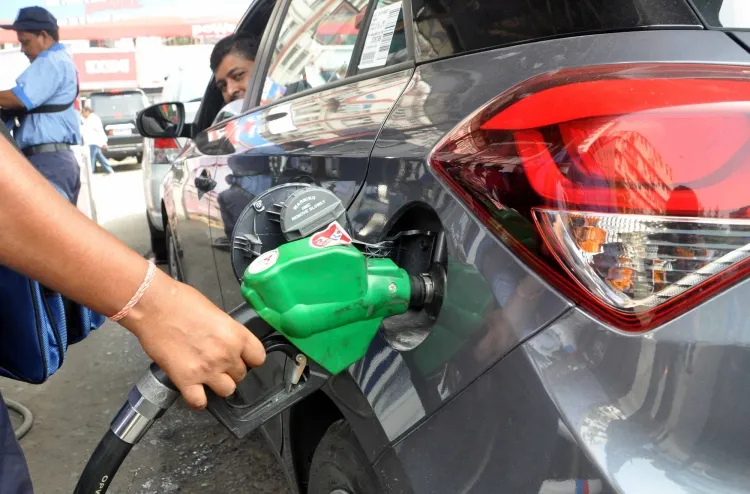
India's ethanol-blended petrol programme has emerged as one of the world's most closely watched biofuel success stories, with the country achieving nearly 20 per cent ethanol blending in petrol — ahead of its original target schedule — even as the Strait of Hormuz closure roils global crude markets and pushes oil prices sharply higher, according to a report in The Times Kuwait. The milestone underscores how a two-decade-long blending strategy has given India, the world's fastest-growing major economy, a meaningful buffer against the current oil supply shock.
From 1.53% to Nearly 20%: The Journey
India's ethanol blending journey began modestly, with a 5 per cent blending target set in 2003. By 2014, the average blending level stood at just 1.53 per cent. The transformation accelerated through steady policy support, investment in distillery capacity, and long-term planning. The National Policy on Biofuels, introduced in 2018, marked the single biggest turning point, significantly broadening the programme's scope and feedstock base.
Ethanol production was expanded beyond sugarcane molasses to include damaged food grains, surplus rice, maize, and agricultural residues. This diversification reduced dependence on water-intensive sugarcane while pulling grain-producing regions in northern and central India into the ethanol economy.
What's Next: E85 and Flex-Fuel Vehicles
India is now preparing for the next leap — E85 petrol, containing 85 per cent ethanol, alongside E100 fuels designed for flex-fuel vehicles capable of operating on multiple ethanol blends. The roadmap signals that biofuels are no longer a supplementary policy but a core pillar of India's energy architecture.
Energy Security and Foreign Exchange Savings
What began as an environmental initiative aimed at lowering carbon emissions has evolved into a broader national strategy focused on energy security, economic resilience, and rural development, the report observes. The programme is helping India save billions of dollars in foreign exchange by reducing dependence on imported crude oil — a benefit that has become especially significant as instability in West Asia continues to disrupt global supply chains.
Rural Economy Benefits
The ethanol push is generating cascading benefits for India's rural economy. Rising demand for biofuel feedstock is supporting sugarcane farmers, grain producers, distilleries, and biofuel infrastructure developers. New employment opportunities are being created across agriculture, transportation, logistics, and manufacturing sectors, according to the report. The programme has effectively converted an energy-security imperative into a rural development instrument — a dual dividend that few comparable programmes globally have managed to replicate at scale.
With global crude volatility showing no signs of abating, India's ethanol blending trajectory is likely to attract further international attention as a replicable model for emerging economies seeking to reduce fossil fuel exposure.
Point of View
But the more consequential achievement is strategic: a two-decade policy bet on domestic feedstock is now functioning as a real-time hedge against West Asian instability. What is often missed is that the 2018 pivot to grain-based ethanol was as much about agrarian politics — bringing northern wheat and maize belts into the biofuel economy — as it was about energy. The jump from 1.53% in 2014 to nearly 20% today did not happen through market forces; it required administered pricing, mandatory blending obligations, and sustained capital subsidy. The harder question, as India eyes E85, is whether domestic feedstock supply can scale without creating food-versus-fuel tensions — a trade-off that has derailed similar programmes in other emerging economies.
NationPress
23 Sept 2026
Frequently Asked Questions
What is India's current ethanol blending level in petrol?
India has achieved nearly 20 per cent ethanol blending in petrol, ahead of its original target schedule. The country started with a 5 per cent blending target in 2003 and had reached only 1.53 per cent by 2014.
What is E85 petrol and when will India introduce it?
E85 is a petrol blend containing 85 per cent ethanol and 15 per cent conventional petrol, designed for flex-fuel vehicles. India is currently preparing to introduce E85 alongside E100 fuels as the next phase of its biofuel programme.
How did the 2018 National Policy on Biofuels change India's ethanol programme?
The 2018 policy significantly broadened the programme's feedstock base beyond sugarcane molasses to include damaged food grains, surplus rice, maize, and agricultural residues. This diversification accelerated production capacity and drew grain-producing regions of northern and central India into the ethanol economy.
How does ethanol blending help India amid the current global oil shock?
By substituting domestically produced ethanol for imported crude oil, India is saving billions of dollars in foreign exchange. The benefit is especially significant now, as the Strait of Hormuz closure has disrupted global oil supply chains and driven crude prices higher.
What are the rural economy benefits of India's ethanol programme?
The programme supports sugarcane farmers, grain producers, distilleries, and biofuel infrastructure developers, while creating new jobs in agriculture, transportation, logistics, and manufacturing. It has effectively converted an energy-security policy into a rural development instrument.