Saudi strikes hit Yemen's Hodeidah and Saada, at least 2 killed: Houthi media
Synopsis
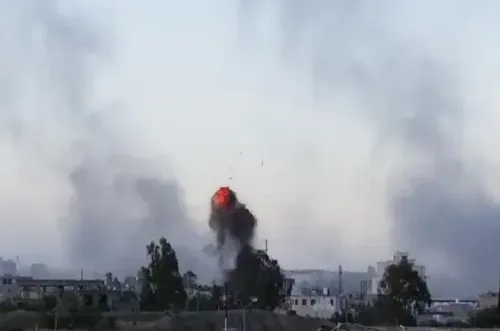
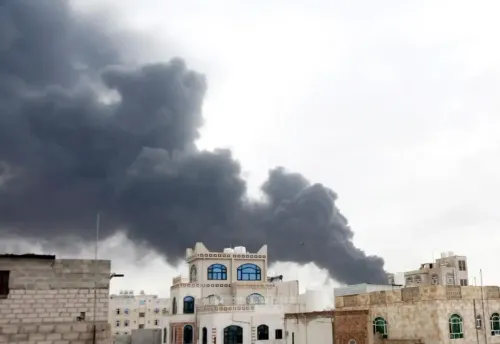
Saudi warplanes carried out around 15 airstrikes on Hodeidah alone on Wednesday — knocking out telecoms towers and a radio station — while missiles hit the border province of Saada and further strikes targeted Taiz. At least two people were killed. The Houthis simultaneously claimed to have shot down a Saudi Wing Loong II drone over Mocha, signalling a conflict that is widening in both geography and military sophistication.
Key Takeaways
Saudi airstrikes and missile attacks hit Hodeidah , Taiz , and Saada provinces on 23 September , according to Houthi-run media.
At least 2 people were killed and 4 others wounded in Hodeidah , with 15 airstrikes reported there alone.
Targets included telecommunications towers in Al Marawi'ah and Al-Qati' and a radio station in Bajil .
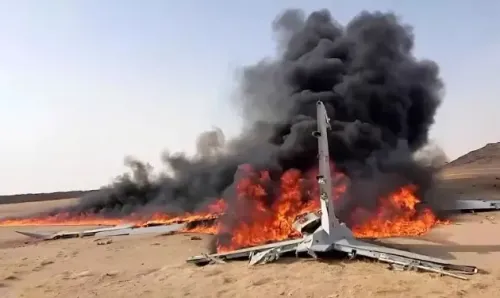
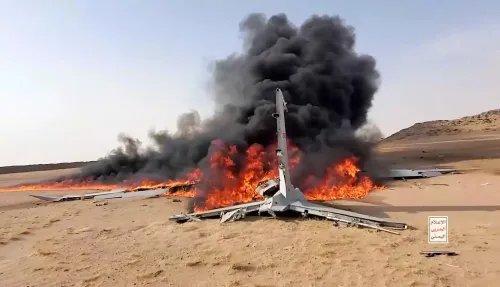
Houthi spokesperson Yahya Saree claimed forces shot down a Saudi Wing Loong II drone over the port city of Mocha ; Saudi Arabia did not immediately respond.
Yemen's conflict has been ongoing since late 2014 , when Houthis seized Sanaa , prompting a Saudi-led coalition intervention in 2015 .
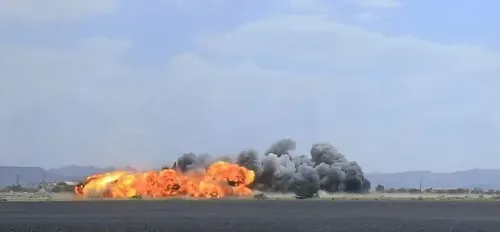
Saudi airstrikes and missile attacks on Wednesday, 23 September struck multiple Houthi-held areas across western, southwestern, and northern Yemen, with at least two people killed and four others wounded in the Red Sea province of Hodeidah, according to Houthi-run media. The attacks mark one of the broader single-day strike campaigns reported in recent weeks.
What Was Targeted in Hodeidah
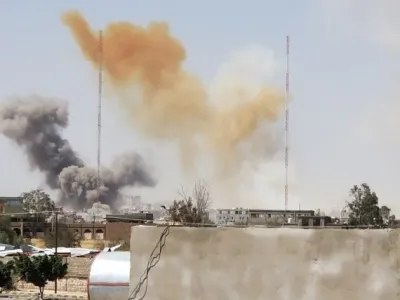
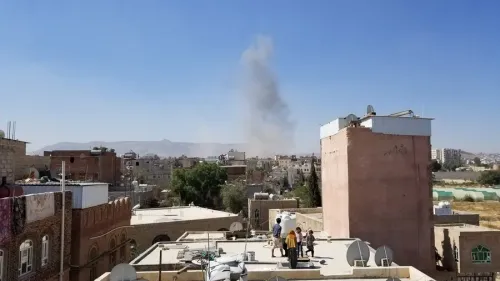
Houthi-run broadcaster Al-Masirah TV reported that Saudi warplanes carried out approximately 15 airstrikes across Hodeidah on Wednesday, specifically targeting telecommunications infrastructure. Strikes hit telecommunications towers in Al Marawi'ah and Al-Qati', as well as a radio station building in Bajil. The channel attributed the casualty figures to the Wednesday strikes in Hodeidah. Saudi Arabia had not issued an immediate statement on the reported toll.
Strikes Spread to Taiz and Saada
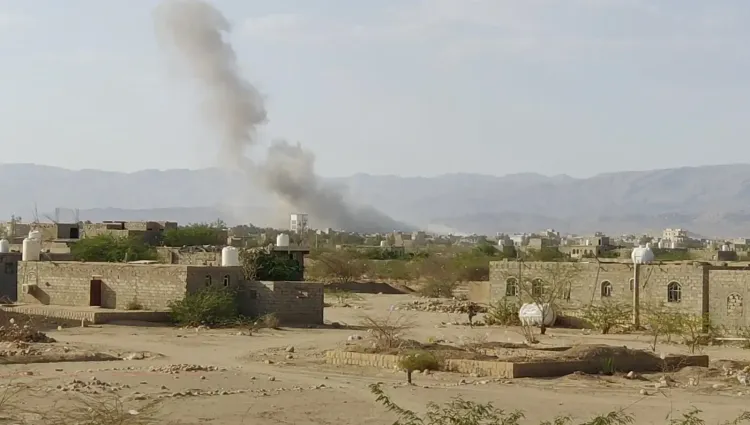
In the southwestern province of Taiz, Al-Masirah reported a series of additional Saudi airstrikes, though no immediate details on casualties or damage were provided. Separately, in the northern province of Saada — which shares a border with Saudi Arabia — Saudi missile strikes reportedly hit Adh Dhahir district, followed by further missile attacks on the areas of Haydan and Marran. No casualties were immediately reported in Saada, according to Houthi-run media.
Houthis Claim Drone Shootdown Over Mocha
Amid the strikes, Houthi military spokesperson Yahya Saree posted a statement on social media platform X claiming that Houthi forces had shot down a Saudi Wing Loong II armed reconnaissance drone over the Red Sea port city of Mocha, also in Taiz province, while the drone was allegedly conducting 'hostile missions.' Saree said it was brought down using an 'appropriate weapon' but did not elaborate. Saudi Arabia had not commented on the claim at the time of reporting.
Escalating Confrontation: Background and Context
The strikes come against the backdrop of a deepening Saudi-Houthi confrontation, with Riyadh conducting aerial campaigns over Houthi-held territory while the group has responded with drone and missile attacks on targets inside Saudi Arabia. Yemen's conflict traces back to late 2014, when Houthi forces seized the capital Sanaa and large swathes of northern Yemen, prompting a Saudi-led coalition to intervene militarily in 2015 in support of the internationally recognised Yemeni government. Nearly a decade on, the war shows no definitive resolution, with humanitarian conditions in Yemen among the worst globally. Notably, telecommunications infrastructure has become a recurring target — disrupting communications in conflict zones amplifies civilian impact well beyond the immediate military objective.
What to Watch
With strikes now spanning at least three provinces in a single day and targeting civilian communications infrastructure, pressure is likely to mount on international mediators to re-engage. The Houthis' claim of downing a sophisticated armed drone, if verified, would signal a meaningful improvement in their air-defence capability — a development regional security analysts will track closely.
Point of View
It suggests the group has improved its electronic-warfare or surface-to-air capability, which changes the Saudi coalition's operational calculus. After nearly a decade with no decisive outcome, Wednesday's multi-province strike day points to a conflict that is intensifying rather than winding down — and the cost, as always, falls heaviest on Yemeni civilians.
NationPress
23 Sept 2026
Frequently Asked Questions
What happened in Yemen's Hodeidah on 23 September 2026?
Saudi warplanes carried out approximately 15 airstrikes on Hodeidah, killing at least 2 people and wounding 4, according to Houthi-run Al-Masirah TV. Targets included telecommunications towers in Al Marawi'ah and Al-Qati' and a radio station building in Bajil.
Which other provinces were hit by Saudi strikes on Wednesday?
Beyond Hodeidah, Saudi airstrikes were reported in the southwestern province of Taiz and Saudi missile strikes hit Adh Dhahir, Haydan, and Marran in the northern border province of Saada. No casualties were immediately reported in Saada.
What did the Houthis claim about a Saudi drone?
Houthi military spokesperson Yahya Saree posted on X that Houthi forces shot down a Saudi Wing Loong II armed reconnaissance drone over the Red Sea port city of Mocha in Taiz province. Saudi Arabia had not commented on the claim at the time of reporting.
How did Yemen's conflict begin?
Yemen's war erupted in late 2014 when Houthi forces seized the capital Sanaa and much of northern Yemen. A Saudi-led military coalition intervened in 2015 to restore the internationally recognised Yemeni government, and fighting has continued for nearly a decade since.
Why is targeting telecoms infrastructure significant?
Striking telecommunications towers and radio stations disrupts civilian communications in an already severely humanitarian-stricken region, going beyond military targets. It can impede emergency coordination, news flow, and basic connectivity for millions of civilians in Houthi-held areas.