Houthis claim 40 Saudi airstrikes across Yemen in 24 hours amid sharp escalation
Synopsis
In a single 24-hour window, Houthis claim Saudi warplanes struck three Yemeni provinces 40 times while simultaneously firing missiles at Saudi Aramco facilities in Yanbu and shooting down an F-15 — all as their forces consolidate control over the Bab al-Mandab Strait, a chokepoint for global shipping. None of the most explosive claims have been independently verified or acknowledged by Riyadh.
Key Takeaways
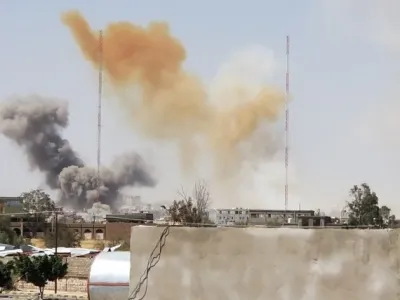
Houthi spokesperson Yahya Sarea claimed 40 Saudi airstrikes hit Taiz , Marib , and Hajjah provinces within 24 hours on 17 September 2026 .
Houthis also claimed to have launched 'dozens of ballistic missiles and drones' at Saudi Aramco facilities in Yanbu , and missiles at Khamis Mushait air base.
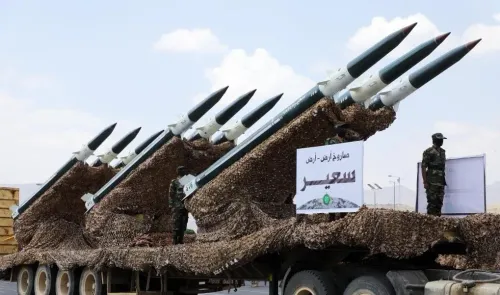
The group claimed it shot down a Saudi F-15 with a locally made surface-to-air missile over Marib province; Saudi Arabia has not confirmed any of these claims.
Ground clashes in Lahj province killed 5 government soldiers and 10 Houthi fighters on Wednesday.
Houthis captured the port city of Mocha on 10 September and Mayun Island in the Bab al-Mandab Strait on 11 September .
Yemen's conflict dates to late 2014 ; a Saudi-led coalition has been involved since March 2015 .
Yemen's Houthi group has claimed that Saudi warplanes carried out 40 airstrikes across three Yemeni provinces within a single 24-hour window on Wednesday, 17 September 2026, as the conflict entered a markedly more dangerous phase with simultaneous cross-border missile and drone attacks. Saudi Arabia has not confirmed or denied the strikes.
What the Houthis Said
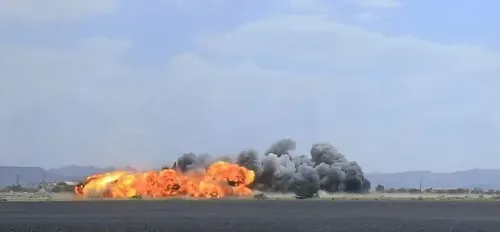
In a statement posted on social media platform X, Houthi military spokesperson Yahya Sarea said F-15 fighter jets operating from the Khamis Mushait air base in southwestern Saudi Arabia struck the southwestern province of Taiz, northeastern Marib, and northwestern Hajjah. No immediate comment was available from Saudi authorities on the strikes, possible casualties, or damage.
Cross-Border Attacks: Missiles, Drones, and a Downed Jet
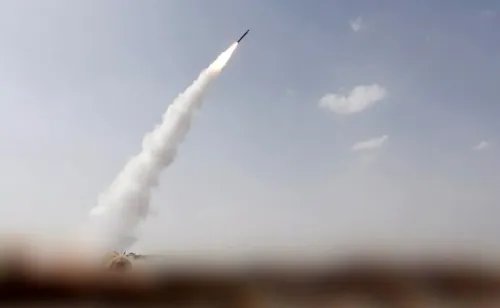
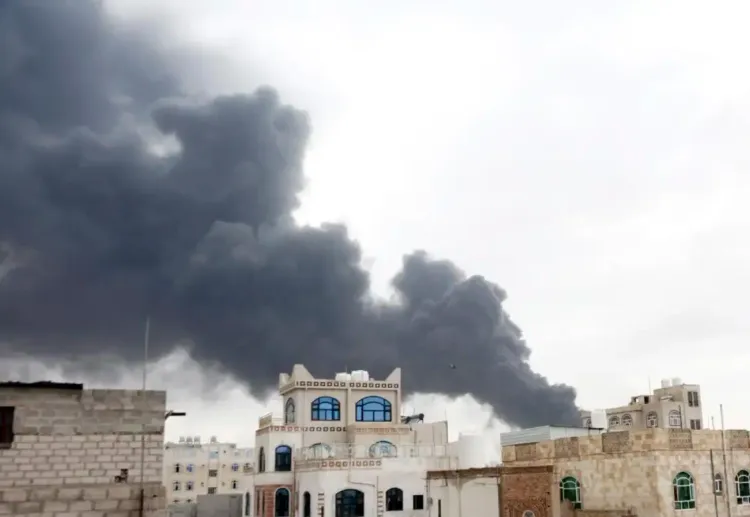
Wednesday's escalation was not one-sided, according to Houthi claims. Sarea said the group launched 'dozens of ballistic missiles and drones' at Saudi Aramco facilities in the western Saudi city of Yanbu, and several ballistic missiles at the Khamis Mushait air base. He claimed the Yanbu strike caused 'large fires and extensive damage,' and that the Khamis Mushait missiles 'accurately hit their targets.' Neither Saudi Arabia nor Aramco has commented on these assertions.
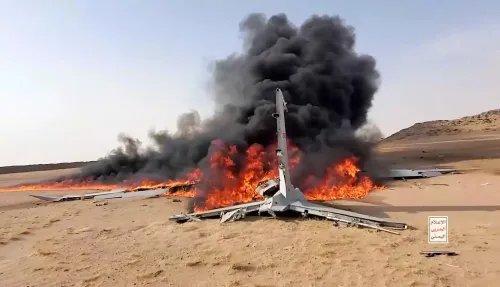
The group further claimed to have shot down a Saudi F-15 fighter jet using a locally manufactured surface-to-air missile over Marib province. Again, Saudi Arabia offered no response. All Houthi claims remain unverified by independent sources.
Ground Fighting and Strategic Losses
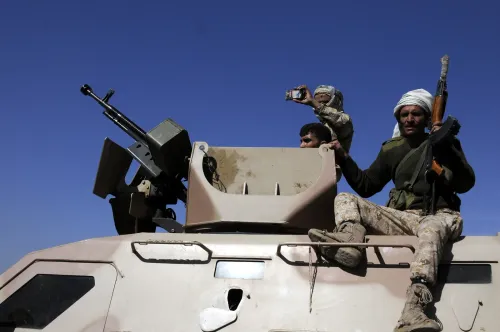
Ground clashes intensified simultaneously. Heavy fighting continued Wednesday over the Kahbub mountain range in the southern province of Lahj, which overlooks the strategically vital Bab al-Mandab Strait. According to a Yemeni military official, five government soldiers and 10 Houthi fighters were killed, with several others wounded on both sides.
The latest fighting follows significant Houthi territorial advances along Yemen's Red Sea coast. The group captured the strategic port city of Mocha on 10 September, then seized Mayun Island — situated at the heart of the Bab al-Mandab Strait — on 11 September. The strait is a critical maritime chokepoint linking the Red Sea with the Gulf of Aden, through which a significant share of global shipping passes.
Background and Context
Yemen's conflict dates to late 2014, when the Houthis seized the capital Sanaa and large swaths of northern Yemen. A Saudi-led coalition intervened in March 2015 in support of the internationally recognised Yemeni government. More than a decade on, the war remains unresolved, with control of maritime chokepoints now emerging as a new flashpoint with global consequences. This latest escalation since early September 2026 marks one of the sharpest surges in both air and ground activity in recent months.
With Houthi forces consolidating control over the Bab al-Mandab Strait, international shipping lanes and regional security calculations face fresh uncertainty in the weeks ahead.
Point of View
Energy markets, and naval planners well beyond the Arabian Peninsula. The cascade of unverified claims — downed jets, Aramco fires, pinpoint missile hits — fits a familiar pattern of Houthi information operations designed to project strength, but the geographic gains on the ground are verifiable and strategically consequential regardless of what Riyadh admits. The absence of any Saudi public response to claims of attacks on Aramco infrastructure is itself notable; silence at this scale is a geopolitical signal. The central question now is whether this escalation triggers a broader regional response or remains contained within the Yemen theatre.
NationPress
17 Sept 2026
Frequently Asked Questions
What did the Houthis claim about Saudi airstrikes on 17 September 2026?
Houthi military spokesperson Yahya Sarea claimed that Saudi F-15 jets flying from the Khamis Mushait air base carried out 40 airstrikes across the Yemeni provinces of Taiz, Marib, and Hajjah over a 24-hour period. Saudi Arabia has not confirmed or responded to the claim.
Did the Houthis attack Saudi Arabia on the same day?
Yes, according to Houthi claims. The group said it launched dozens of ballistic missiles and drones at Saudi Aramco facilities in Yanbu and several ballistic missiles at the Khamis Mushait air base, alleging large fires and extensive damage. Neither Saudi Arabia nor Aramco has commented on these assertions.
Why is the Bab al-Mandab Strait significant in this conflict?
The Bab al-Mandab Strait is a critical maritime chokepoint linking the Red Sea with the Gulf of Aden, making it a vital corridor for global shipping including oil tankers. Houthi seizure of Mayun Island — located at the heart of the strait — on 11 September gives the group significant leverage over traffic passing through the waterway.
How has the Yemen conflict escalated since early September 2026?
Since early September 2026, the conflict has seen intensified Saudi airstrikes, renewed ground fighting between Houthi and government forces, and rapid Houthi territorial advances. These include the capture of the port city of Mocha on 10 September and Mayun Island on 11 September, alongside ongoing heavy clashes in the Kahbub mountain range in Lahj province.
How long has the Yemen conflict been going on?
Yemen's conflict began in late 2014 when the Houthis seized the capital Sanaa and much of northern Yemen. A Saudi-led coalition intervened in March 2015 in support of the internationally recognised Yemeni government, making this one of the longest-running armed conflicts in the region.