Houthis claim missile, drone assault on King Khalid Air Base in Saudi Arabia
Synopsis
Houthi forces claimed a sweeping missile and drone assault on Saudi Arabia's King Khalid Air Base on 14 September, even as their ground offensive since 3 September captured Mocha, Mayun Island, and tightened their grip on the Bab al-Mandab Strait — a chokepoint through which a significant share of global shipping passes. With Saudi Arabia yet to respond and Houthi territorial gains accelerating, this is the sharpest escalation in the Yemen conflict in years.
Key Takeaways
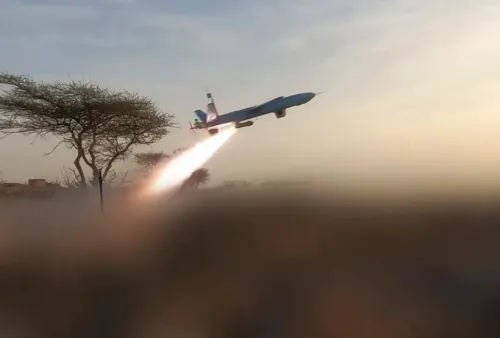
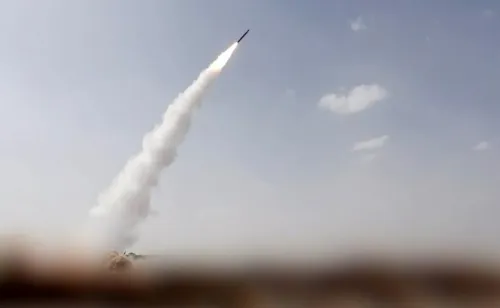
Yemen's Houthi group claimed dozens of ballistic missiles and drones were fired at King Khalid Air Base in Khamis Mushait , Saudi Arabia, on 14 September 2026 .
Houthi spokesperson Yahya Saree said the strikes hit hangars, radar systems, runways, and ammunition depots, calling them 'precise and direct.' Saudi authorities issued no immediate confirmation or comment on casualties or damage.
The group cited more than 300 Saudi airstrikes on Yemeni provinces in recent days as justification.
A Houthi offensive launched on 3 September has captured Mocha , Mayun Island , and areas near the Bab al-Mandab Strait .
The Houthis imposed a maritime ban on Saudi vessels on 20 July , while stating international shipping through the strait remains open.
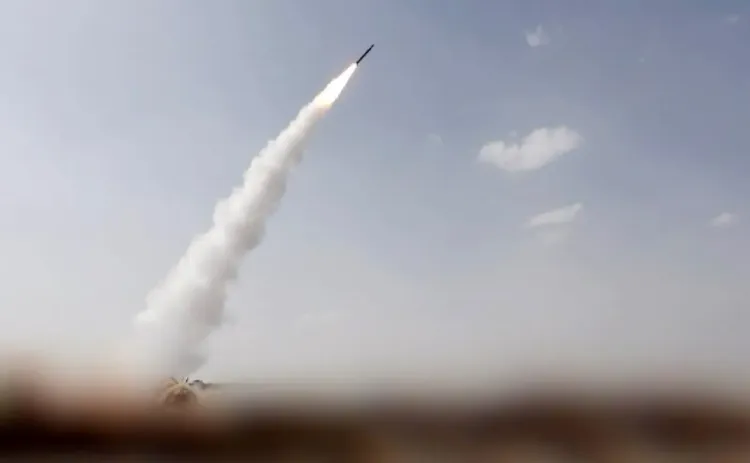
Yemen's Houthi group on Monday, 14 September 2026, claimed it had fired dozens of ballistic missiles and drones at King Khalid Air Base in Khamis Mushait, a southwestern Saudi city near the Yemeni border — marking a significant escalation in the intensifying cross-border conflict between the two sides.
What the Houthis Claimed
In a statement broadcast on Houthi-run al-Masirah TV, military spokesperson Yahya Saree said the strikes targeted fighter-jet hangars, radar systems, runways, ammunition depots, and other military installations at the base. Saree described the operation as 'precise and direct,' claiming it caused significant damage.
Saudi authorities had not issued any immediate comment on the Houthi claims as of Monday, and there was no official information on possible casualties or the extent of damage.
Why the Attack Was Launched, Houthis Say
Saree said the strike was carried out in retaliation for what the group described as a sustained and intensifying Saudi air campaign across Yemen. He claimed that Saudi F-15 and Typhoon fighter jets had conducted more than 300 airstrikes across several Yemeni provinces in recent days.
He warned that the group would continue launching attacks deep inside Saudi territory for as long as airstrikes on Yemen persisted, adding that any further escalation would be met with broader military operations.
Rapid Houthi Advances Along the Red Sea Coast
The missile and drone attack came amid a sweeping Houthi offensive launched on 3 September that has rapidly redrawn front lines along Yemen's Red Sea coast. The group has seized several government-held areas in the Red Sea Hodeidah province and the neighbouring southwestern Taiz province.
Significantly, the Houthis captured the strategic port city of Mocha on Thursday before pushing south into the Bab al-Mandab Strait area and seizing Mayun Island at the heart of the strait — tightening their grip on a critical global shipping chokepoint that connects the Red Sea with the Gulf of Aden.
Shipping Stance and Maritime Ban
Following the Bab al-Mandab advance, the Houthis stated that international navigation through the strait remained 'free, safe and smooth,' while reaffirming that Saudi vessels remained excluded under a maritime ban the group had imposed on 20 July.
Background: A Decade of Conflict
Yemen's war erupted in late 2014 when the Houthis seized the capital Sanaa and much of northern Yemen. A Saudi-led coalition intervened in March 2015 in support of the internationally recognised Yemeni government, initiating what has become one of the world's most protracted and devastating conflicts. The latest escalation represents one of the most ambitious Houthi military campaigns in recent years, combining territorial advances on the ground with long-range strikes on Saudi soil.
With no Saudi response yet and Houthi forces consolidating control over key maritime chokepoints, the coming days are likely to test the limits of the fragile regional status quo.
Point of View
If even partially accurate, signals a dangerous new tempo in the Yemen conflict — one that Saudi Arabia cannot absorb quietly. What is striking is not just the strike itself but the simultaneity: ballistic missiles aimed at a major air base while Houthi forces seize control of the Bab al-Mandab Strait. Control of that chokepoint gives the group unprecedented leverage over global shipping lanes, well beyond the bilateral Saudi-Yemen dynamic. The absence of any Saudi response in the immediate aftermath is itself telling — either damage assessment is ongoing, or Riyadh is weighing a calibrated response. Either way, the conflict has entered a phase with direct consequences for Red Sea trade, regional stability, and the international community's ability to keep shipping lanes open.
NationPress
14 Sept 2026
Frequently Asked Questions
What did the Houthis claim to have struck in Saudi Arabia?
The Houthis claimed to have fired dozens of ballistic missiles and drones at King Khalid Air Base in Khamis Mushait, southwestern Saudi Arabia, on 14 September 2026. Spokesperson Yahya Saree said the targets included fighter-jet hangars, radar systems, runways, and ammunition depots.
Has Saudi Arabia confirmed the Houthi attack on King Khalid Air Base?
No. As of Monday, Saudi authorities had not issued any confirmation or comment on the Houthi claims, and there was no official information on casualties or damage from the reported strikes.
Why did the Houthis say they launched the attack?
The group said the strike was retaliation for what it described as an intensifying Saudi air campaign, claiming Saudi F-15 and Typhoon jets had carried out more than 300 airstrikes across Yemeni provinces in recent days. The Houthis warned they would continue deep strikes inside Saudi Arabia as long as airstrikes on Yemen continue.
What is the significance of the Houthi capture of Mayun Island and Bab al-Mandab?
Mayun Island sits at the heart of the Bab al-Mandab Strait, a critical shipping chokepoint connecting the Red Sea with the Gulf of Aden. Control of the island and surrounding area gives the Houthis significant leverage over one of the world's most important maritime corridors, with implications for global trade and regional security.
How did the Yemen conflict begin?
Yemen's war began in late 2014 when the Houthis seized the capital Sanaa and much of northern Yemen. A Saudi-led coalition intervened in March 2015 in support of the internationally recognised Yemeni government, setting off a conflict that has since become one of the world's longest-running humanitarian crises.