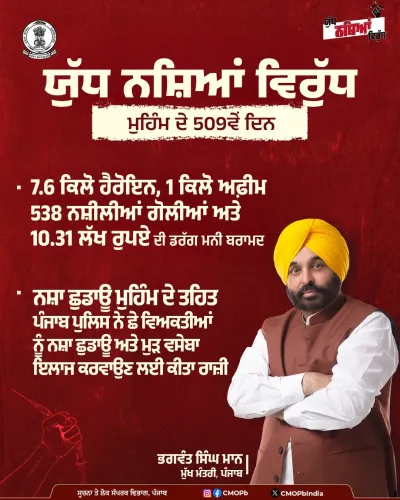
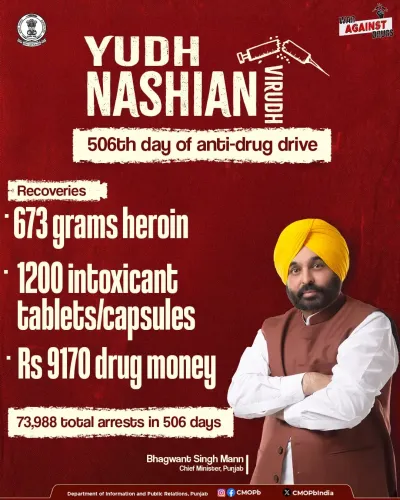
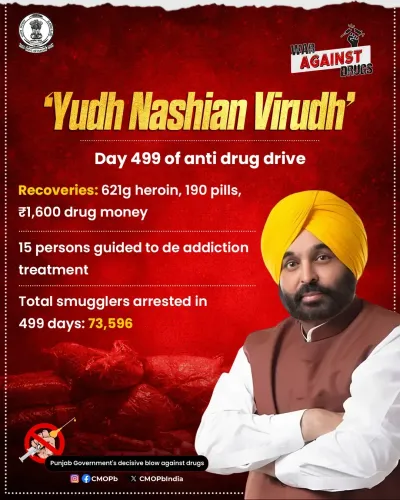
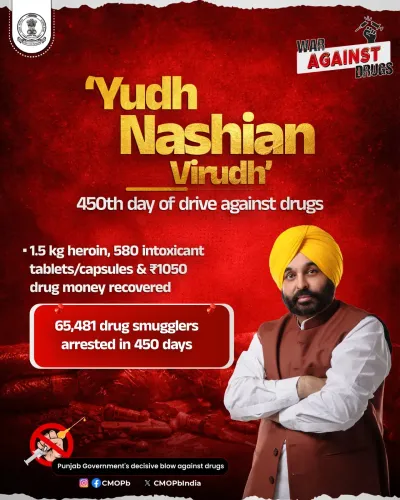
Punjab Police hits Day 607 of Yudh Nashian Virudh, arrests cross 89,130
Synopsis
Punjab Police marked Day 607 of the Yudh Nashian Virudh anti-drug drive on 29 October 2026, recovering 21.3 kg heroin and pushing total arrests since 2022 to 89,130, while convincing 18 more persons to enter de-addiction treatment.
Key Takeaways
Day 607 of the Yudh Nashian Virudh anti-drug campaign was reported on 29 October 2026 by the Chief Minister's Office of Punjab.
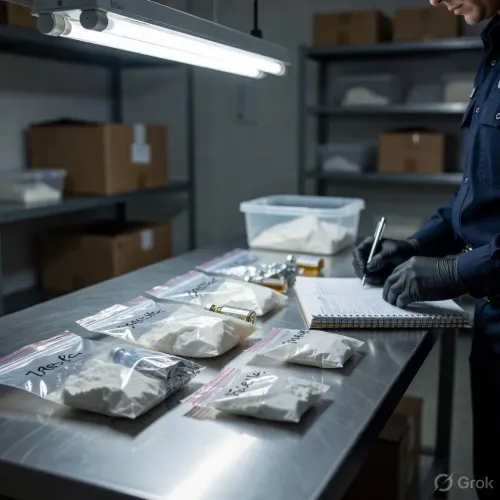
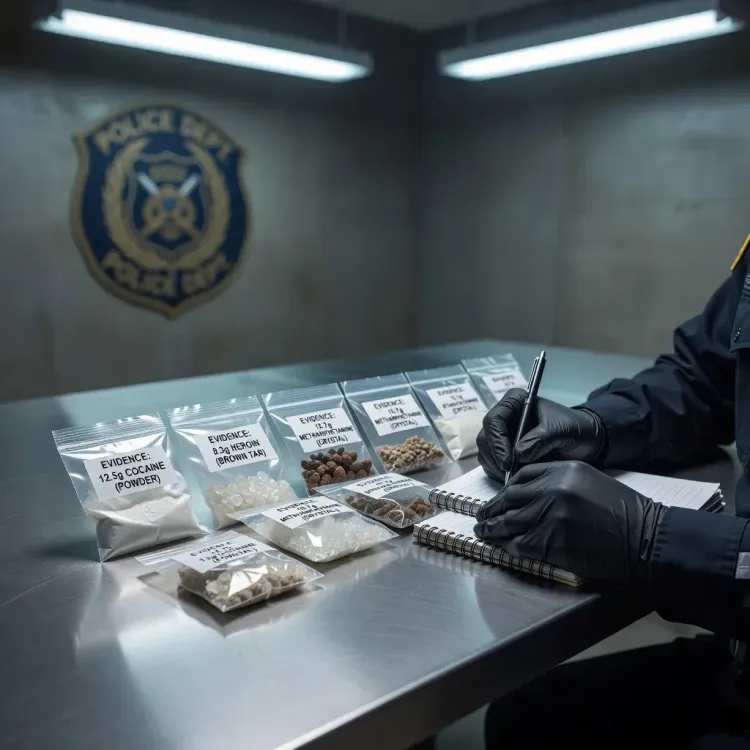
Police recovered 21.3 kg of heroin , 191 intoxicant pills , and ₹5,650 in drug money in a single day's operations.
Cumulative drug smuggler arrests since the campaign's 2022 launch have reached 89,130 .
18 persons were convinced to voluntarily enter de-addiction and rehabilitation treatment on this day alone.
The campaign was launched by Chief Minister Bhagwant Mann 's AAP government and runs daily enforcement and rehabilitation tracks simultaneously.
The drive averages roughly 147 arrests per day over its 607-day run, reflecting sustained operational tempo.
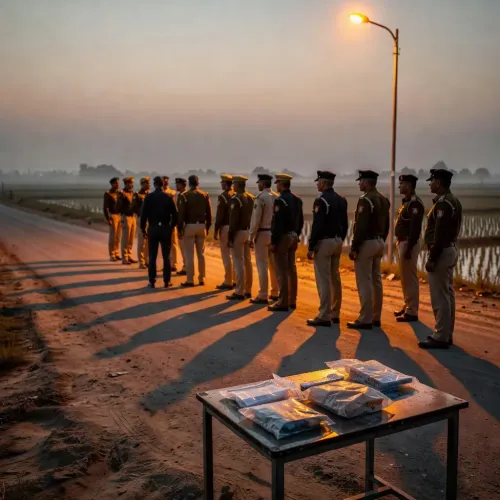
Over 607 consecutive days, Punjab's anti-drug machine has not stopped — and the numbers it posted on Thursday, 29 October 2026 tell a story of relentless attrition against one of India's most stubborn narcotics corridors. The Chief Minister's Office of Punjab announced that police teams recovered 21.3 kg of heroin, 191 intoxicant pills, and ₹5,650 in drug money in a single day's operations, pushing the cumulative arrest tally to 89,130 drug smugglers since the campaign began.
What '607 days' actually means on the ground
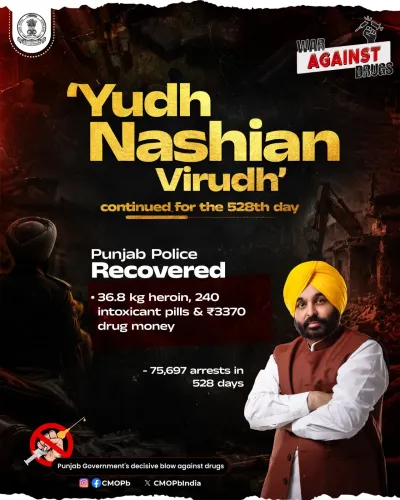
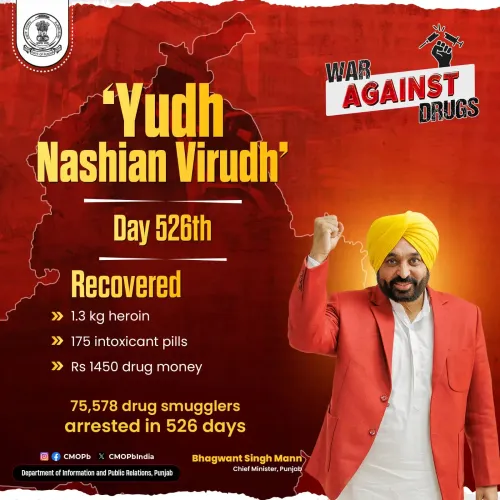
The Yudh Nashian Virudh — 'War Against Drugs' — is not a headline burst that fades after a fortnight. Launched in 2022 by Chief Minister Bhagwant Mann's Aam Aadmi Party government, the drive was designed from the outset for daily operational continuity: every 24 hours, fresh teams deploy, fresh arrests are logged, and the cumulative counter ticks upward. That discipline — nearly 20 months of unbroken enforcement — is itself a political and administrative statement in a state where previous anti-drug campaigns have historically surged and then stalled.
Thursday's haul included one of the more consequential single-day heroin seizures of recent weeks. Heroin remains the drug of greatest concern along Punjab's border belt, with trafficking networks exploiting proximity to the Pakistan frontier. A 21.3 kg single-day recovery is operationally significant, representing street-level supply that would otherwise have fed distribution chains across multiple districts.
The rehabilitation side: 18 more convinced to seek help
Arrest numbers alone do not shrink demand — and the Mann government has built a parallel rehabilitation track directly into the same daily reporting cycle. On 29 October, Punjab Police convinced 18 persons to voluntarily enter de-addiction and rehabilitation treatment. The cumulative rehabilitation referrals have been a quiet but deliberate counter-metric: the government wants voters — and sceptics — to see supply suppression and demand reduction moving together, not as separate programmes run by separate departments.
Punjab's drug crisis has roots stretching back decades, with drug-affected youth and their families bearing the heaviest social cost. Multiple administrations before the AAP government attempted enforcement-led crackdowns; what distinguishes the current approach, at least in its stated design, is the insistence on publishing both enforcement and rehabilitation figures every single day, creating a public accountability loop.
89,130 arrests — and what that number still leaves open
The 89,130 figure demands context. Large arrest tallies in drug drives can reflect genuine network disruption or, critics have long argued, an over-reliance on low-level carrier arrests that leave trafficking hierarchies intact. The government's own framing — daily updates, cumulative counters, named recovery weights — is designed to project momentum. Whether those arrests are translating into dismantled smuggling networks, rather than replaced foot-soldiers, is the harder question that daily press releases cannot answer alone.
What the numbers do confirm is operational tempo. Averaging roughly 147 arrests per day over 607 days requires sustained police bandwidth, coordination across districts, and political will to keep the campaign from quietly winding down — all of which the Mann administration is signalling it has maintained heading into the campaign's second year.
The next milestone the state will be watching: whether the drive crosses 90,000 cumulative arrests before the end of the week — and whether rehabilitation referrals, still in the dozens per day, begin to scale into the hundreds.
Point of View
130 arrests and counting, the administration is building a cumulative record that is difficult to dismiss, but the true test will be whether conviction rates and network disruption data eventually accompany the daily headlines. Until then, the optics of momentum remain the dominant political asset.
NationPress
29 Oct 2026
Frequently Asked Questions
What is Yudh Nashian Virudh in Punjab?
'Yudh Nashian Virudh' translates to 'War Against Drugs' and is an ongoing anti-drug campaign launched by the Punjab government under Chief Minister Bhagwant Mann in 2022, combining daily police enforcement with de-addiction and rehabilitation efforts.
How many drug smugglers have been arrested in Punjab's anti-drug drive so far?
As of Day 607 on 29 October 2026, a total of 89,130 drug smugglers have been arrested since the Yudh Nashian Virudh campaign began.
How much heroin was seized by Punjab Police on 29 October 2026?
Punjab Police recovered 21.3 kg of heroin, along with 191 intoxicant pills and ₹5,650 in drug money, during operations on 29 October 2026.
What rehabilitation steps is Punjab taking alongside drug arrests?
Punjab Police has integrated rehabilitation into the daily drive — on 29 October alone, 18 persons were convinced to voluntarily undergo de-addiction and rehabilitation treatment as part of the same campaign.
Who launched the Yudh Nashian Virudh campaign in Punjab?
The campaign was launched by Chief Minister Bhagwant Mann's Aam Aadmi Party government in Punjab in 2022, with Punjab Police as the primary implementing agency.