Punjab Police Hits 81,499 Arrests in Gangsteran Te Vaar Drive
Synopsis
On Day 282 of Punjab's Gangsteran Te Vaar campaign, police conducted 528 raids and arrested 12 Proclaimed Offenders, lifting total arrests to 81,499. The CMO Punjab confirmed the figures on 29 October 2026, underscoring CM Bhagwant Mann's sustained push to dismantle gangster networks statewide.
Key Takeaways
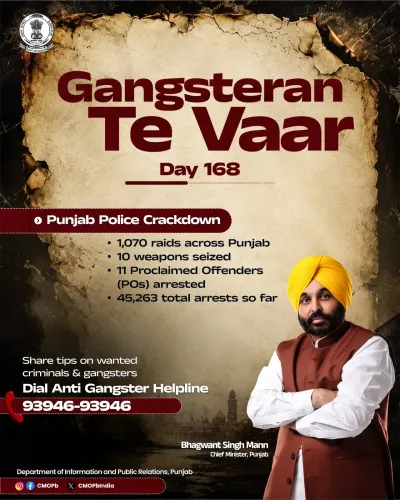
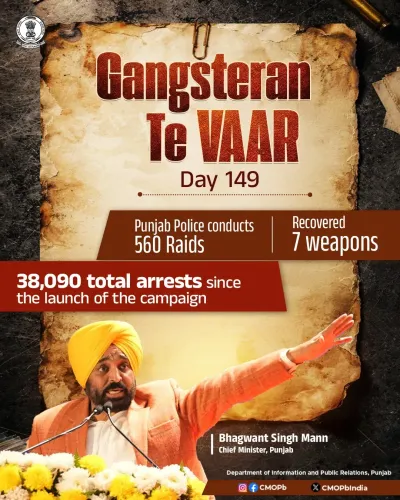
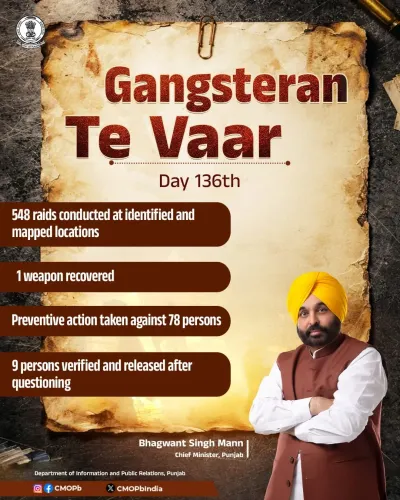
528 raids were conducted on Day 282 of the Gangsteran Te Vaar campaign at locations mapped to gangster associates across Punjab.
Total arrests since the campaign's launch have reached 81,499 .
12 Proclaimed Offenders (POs) were arrested during the day's operations.
Preventive action was taken against 153 persons on the same day.
The campaign was launched by CM Bhagwant Mann 's AAP government after taking office in March 2022 to disrupt organised crime networks in Punjab.
The strategy targets not just gangsters but their entire associate ecosystem — financiers, logistics providers, and hideout-operators.
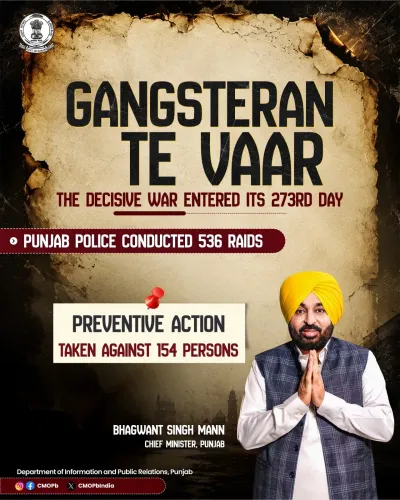
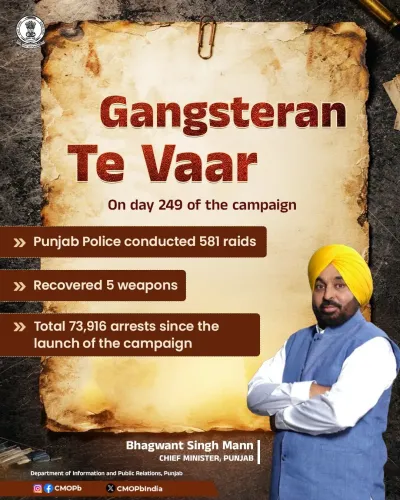
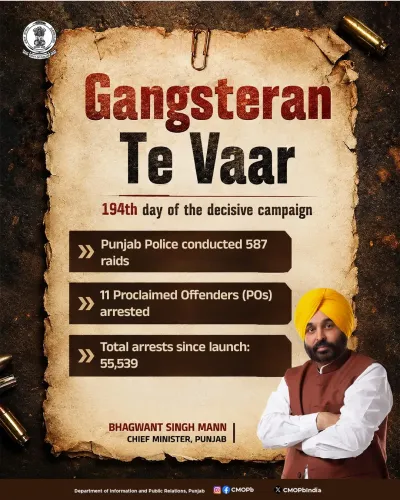
Over two-and-a-half years into one of Punjab's most sustained law-enforcement offensives, the numbers keep climbing — and the state's anti-gangster machinery shows no sign of slowing. On Day 282 of the Gangsteran Te Vaar campaign, Punjab Police conducted 528 raids at locations mapped to associates of active gangsters across the state, pushing the cumulative arrest tally to 81,499 since the campaign's launch.
The Chief Minister's Office of Punjab confirmed the figures on Thursday, 29 October 2026, noting that police teams also arrested 12 Proclaimed Offenders (POs) during the day's operations and took preventive action against 153 persons. The daily update, posted by the official CMO Punjab handle, is itself part of the campaign's design — a public-accountability drumbeat that signals the state is counting every raid, every arrest, and every PO brought in.
What 'Gangsteran Te Vaar' targets — and why Punjab needed it
Punjab has lived for decades in the shadow of organised crime networks that stretch well beyond state borders. Extortion rackets, cross-border drug trafficking, and contract killings linked to diaspora-funded gangsters built a climate of fear that no single police drive had fully dismantled. When Chief Minister Bhagwant Mann launched the Gangsteran Te Vaar ('Strike on Gangsters') campaign after his government took office in March 2022, the stated goal was systematic disruption — not just high-profile arrests, but the mapping and dismantling of the entire associate ecosystem around each gangster network.
The strategy is built on intelligence-led raids at 'identified and mapped locations' linked to associates, a model that widens the net far beyond the gangsters themselves. By targeting logistics, financiers, hideout-providers, and weapons suppliers, the campaign aims to make operating a gang in Punjab structurally harder over time. The public daily tally of arrests and raids is itself a pressure tactic — signalling to criminal networks that the state has a long memory and a longer reach.
528 raids in a single day: what the operational tempo looks like
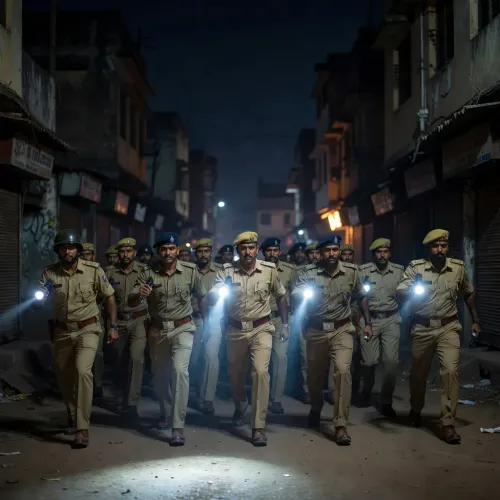
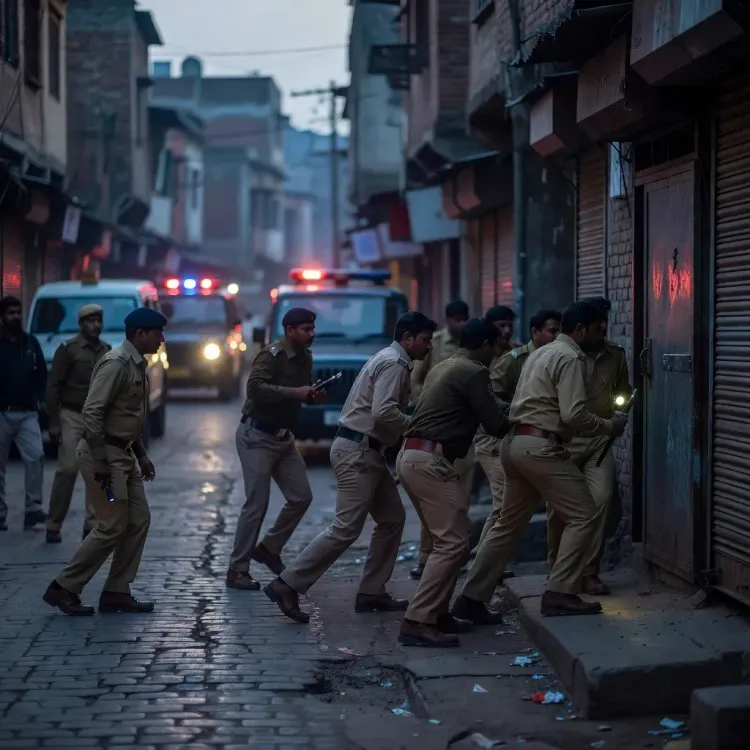
A day with 528 simultaneous or coordinated raids across multiple districts requires significant deployment and pre-built intelligence dossiers. The arrest of 12 Proclaimed Offenders in the same cycle suggests that local police units are working off live, updated lists — POs are individuals who have previously evaded court summons or arrest warrants, making each capture a small but concrete justice outcome. Preventive detentions of 153 persons indicate that police are also acting on intelligence of imminent threat, not just executing existing warrants.
The aggregate figure of 81,499 arrests is a landmark in its own right — it reflects sustained operational intensity across nearly a year of daily activity rather than a single spectacular sweep. That consistency is arguably more important than any single-day headline number: gang networks adapt to short crackdowns far more easily than to relentless, mapped pressure.
AAP's governance pitch and the law-and-order test
For the Aam Aadmi Party government led by CM Bhagwant Mann, anti-gangster operations are not merely a policing matter — they are a core governance credential. Punjab's crime landscape was a central issue in the 2022 state elections, and the AAP's promise of a safe, extortion-free Punjab was a significant plank of its landslide mandate. The daily CMO updates serve double duty: operational transparency on one hand, and a visible record of delivery on the other.
The road ahead runs through sustained judicial processing of those arrested, asset attachment proceedings, and any legislative tools the state may deploy on preventive detention. Arrests at scale only translate to lasting impact if the prosecution pipeline can keep pace — which will be the real test of whether Gangsteran Te Vaar reshapes Punjab's crime landscape or simply generates headlines.
Point of View
Though the true measure will be whether mass arrests translate into durable disruptions to Punjab's extortion and drug trafficking ecosystems. With over 81,000 arrests logged, the prosecution pipeline faces enormous pressure, and any judicial backlogs could blunt the campaign's long-term impact. Regionally, sustained anti-gangster action in Punjab has implications for cross-border organised crime networks, making this a story with stakes well beyond state borders.
NationPress
29 Oct 2026
Frequently Asked Questions
What is the Gangsteran Te Vaar campaign in Punjab?
Gangsteran Te Vaar, meaning 'Strike on Gangsters,' is a Punjab government campaign launched after CM Bhagwant Mann took office in March 2022 to systematically disrupt organised crime networks, targeting gangsters and their entire associate ecosystem through intelligence-led raids and arrests.
How many arrests have been made in the Gangsteran Te Vaar campaign?
As of Day 282 of the campaign (29 October 2026), total arrests stand at 81,499 since the launch of Gangsteran Te Vaar, according to the Chief Minister's Office of Punjab.
What happened on Day 282 of Gangsteran Te Vaar?
On Day 282, Punjab Police conducted 528 raids at mapped locations linked to gangster associates, arrested 12 Proclaimed Offenders, and took preventive action against 153 persons.
Who is overseeing the Gangsteran Te Vaar anti-gangster drive in Punjab?
The campaign is being overseen by the Punjab government under Chief Minister Bhagwant Mann, with Punjab Police executing daily raids and arrests across the state.
Why does Punjab face such persistent problems with gangsters?
Punjab has faced decades of organised crime networks intertwined with cross-border drug trafficking and extortion, partly fuelled by diaspora connections. The state's geography and its porous border make it particularly vulnerable to gang activity, prompting periodic large-scale police crackdowns.