SP-Congress rift in UP echoes Bihar 2025 opposition collapse ahead of 2027 polls
Synopsis
The SP and Congress are fighting publicly over who leads the opposition in Uttar Pradesh — less than a year out from the 2027 assembly election. It is an almost exact replay of the Bihar Mahagathbandhan's self-defeating leadership squabbles last year. The BJP, already into election mode, needs only to watch.
Key Takeaways
SP MP Iqra Hasan reportedly claimed only Akhilesh Yadav can defeat the BJP in Uttar Pradesh , downplaying the Congress's independent strength.
Congress MP Imran Masood countered that Rahul Gandhi is the only opposition leader with the national reach to unsettle the BJP.
The public exchange signals unresolved disputes over hierarchy and leadership primacy in the SP-Congress alliance ahead of the 2027 UP Assembly election .
The pattern mirrors the Bihar Mahagathbandhan's prolonged seat-sharing and leadership disputes in 2025 , which damaged the coalition's electoral credibility.
Electoral logic favours SP-Congress cooperation — the Congress is too weak to challenge the BJP alone, while SP recognises the value of Congress vote transfers in tight constituencies.
The BJP has already begun booth-level mobilisation and organisational preparation for 2027 , widening its head-start over a divided opposition.
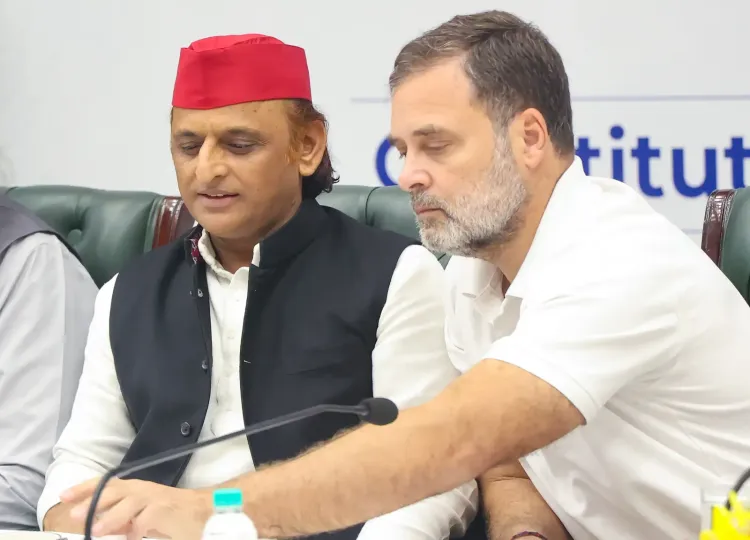
The Samajwadi Party (SP) and the Indian National Congress are publicly sparring over leadership primacy in Uttar Pradesh — barely a year before the high-stakes 2027 Uttar Pradesh Assembly election — in a pattern that closely mirrors the opposition infighting that undermined the Mahagathbandhan in Bihar last year. The exchange between rival MPs has raised fresh doubts about whether the anti-Bharatiya Janata Party (BJP) alliance can present a coherent front when it matters most.
The Flashpoint: Hasan vs Masood
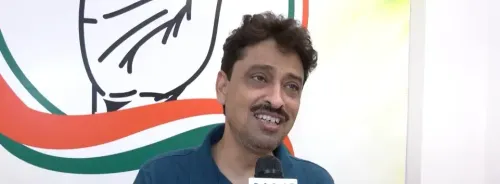
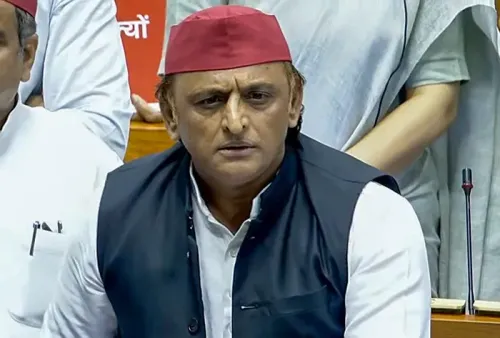
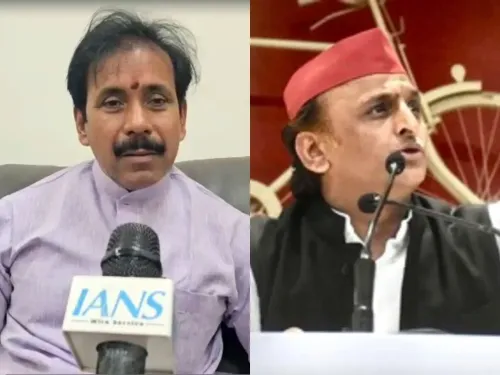
SP MP Iqra Hasan reportedly asserted that only SP chief Akhilesh Yadav is capable of defeating the BJP in Uttar Pradesh, suggesting the Congress could achieve little on its own in the state. Congress MP Imran Masood is said to have pushed back, insisting that Lok Sabha Leader of Opposition Rahul Gandhi is the only Opposition figure with a national reach capable of genuinely unsettling the ruling party.
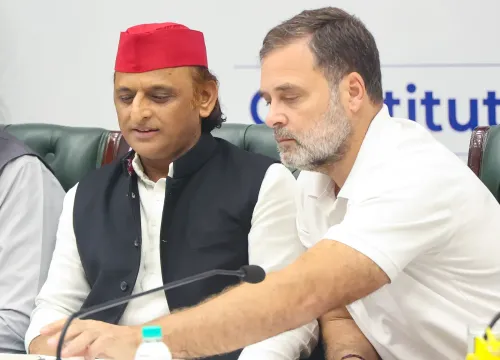
The public exchange signals that, despite assurances from the top leadership of both parties that the alliance remains intact, there is still no consensus on hierarchy, ownership, or political primacy within the coalition. That both leaders chose to air these views openly — rather than resolving them internally — has compounded the concern.
Why the SP Sees Itself as the Senior Partner
The SP's confidence is rooted in results. In the 2024 Lok Sabha election, the SP emerged as the principal beneficiary of its alliance with the Congress, winning far more seats and re-establishing itself as the state's dominant Opposition force. Akhilesh Yadav built a broader social coalition through the PDA (Pichhda, Dalit, and Alpsankhyak) framework and delivered a coherent counter-narrative against the BJP. SP leaders argue, with electoral data on their side, that their chief — not Gandhi — should be the central face of any challenge mounted in Uttar Pradesh.
Why Congress Insists on National Framing
For the Congress, Rahul Gandhi's ongoing national campaign against the National Democratic Alliance (NDA) represents an anti-BJP platform that regional parties cannot independently sustain. Congress functionaries have pushed for an early seat-sharing settlement and have demanded greater representation, arguing they bring national visibility to the alliance. The SP, by contrast, appears less eager to finalise arrangements — projecting confidence in its independent electoral strength.
The Bihar Warning: A Blueprint for What Could Go Wrong
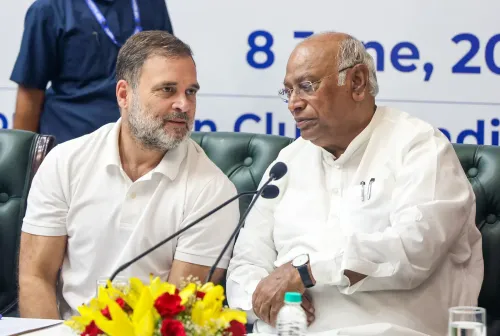
The current tensions closely resemble the protracted disputes that plagued the Bihar Mahagathbandhan ahead of last year's assembly election. The Rashtriya Janata Dal (RJD) and Congress spent months locked in seat-sharing negotiations, with both sides accusing the other of inflexibility. Disagreements over bargaining power and leadership arrangements created a public impression that alliance partners were more invested in protecting their respective positions than in presenting a unified alternative to voters.
Notably, even after compromises were eventually reached, the memory of those wranglings lingered in public perception — and the BJP's well-organised machine capitalised on every visible crack. The lesson from Bihar is that late or fractious resolutions can be as damaging as no resolution at all.
What Happens Next — and What the BJP Is Doing Meanwhile
While the Opposition debate over top billing continues, the BJP has already begun booth-level mobilisation and organisational strengthening ahead of 2027. Electoral logic strongly favours SP-Congress cooperation: the Congress is too weak in Uttar Pradesh to seriously challenge the BJP independently, while the SP acknowledges that even a modest Congress vote transfer can prove decisive in closely fought Assembly constituencies.
The risk, critics argue, is that continued public posturing chips away at voter confidence in the coalition's shared purpose — and that the BJP's electoral machine will be the ultimate beneficiary of every such exchange. Whether the two parties can move past questions of credit and hierarchy to build a credible joint platform will likely define the opposition's prospects in one of India's most consequential state elections.
Point of View
By the time that was resolved, public confidence was already eroded. In Uttar Pradesh, the BJP's advantage is organisational as much as political, and it compounds with every day the opposition spends on internal positioning rather than voter outreach. The deeper contradiction is that both parties need each other — the arithmetic is clear — yet neither is willing to publicly concede the other's primacy. That standoff, if not resolved in private before it escalates further in public, risks becoming the defining story of the 2027 campaign before a single vote is cast.
NationPress
23 Sept 2026
Frequently Asked Questions
What is the SP-Congress dispute in Uttar Pradesh about?
The dispute centres on which party's leader — SP chief Akhilesh Yadav or Congress leader Rahul Gandhi — should be the primary face of the opposition ahead of the 2027 Uttar Pradesh Assembly election. SP MP Iqra Hasan reportedly stated that only Akhilesh Yadav can defeat the BJP in the state, while Congress MP Imran Masood insisted that Rahul Gandhi's national reach makes him the more effective opposition figure.
How does the UP situation compare to the Bihar opposition experience in 2025?
The Bihar Mahagathbandhan spent months in public disputes over seat-sharing and leadership between the RJD and Congress ahead of last year's assembly election, creating a perception that allies were more invested in internal positioning than in defeating the BJP. The current SP-Congress exchanges in UP follow the same pattern — unresolved questions being aired publicly rather than settled internally — raising the risk of a similar erosion of voter confidence.
Why do SP leaders believe Akhilesh Yadav should lead the opposition in UP?
The SP's position is backed by the 2024 Lok Sabha results, in which the party won significantly more seats than the Congress and re-established itself as the state's dominant opposition force. Akhilesh Yadav's PDA (Pichhda, Dalit, and Alpsankhyak) coalition strategy delivered a coherent challenge to the BJP, which SP leaders cite as evidence that he — not Rahul Gandhi — should front any joint opposition platform in Uttar Pradesh.
Why does the Congress insist on Rahul Gandhi's centrality in the UP campaign?
Congress argues that Rahul Gandhi's national campaign against the NDA provides an anti-BJP platform and visibility that regional parties cannot independently sustain. Congress functionaries have also pushed for early seat-sharing finalisation and greater representation within the alliance, asserting they bring national reach to a coalition that would otherwise be seen as purely regional.
What is the BJP doing while the opposition is divided?
The BJP has already begun strengthening its organisation and conducting booth-level mobilisation in Uttar Pradesh ahead of the 2027 Assembly election. While the opposition debates leadership billing, the ruling party's electoral machine is preparing early — a head-start that analysts warn the opposition can ill afford to cede.