Uttarakhand CMO unveils ₹290 cr Kumbh infra push in supplementary budget

Synopsis
Uttarakhand's 2026-27 supplementary budget allocates ₹290 crore for Kumbh Mela infrastructure in Haridwar, ₹20 crore for Nanda Rajjat Yatra, ₹122 crore for a Gairsain water dam, ₹300 crore toward Jal Jeevan Mission arrears, and ₹48 crore for Joshimath subsidence relief.
Key Takeaways
₹290 crore provisioned across grants for Divya Kumbh infrastructure at Haridwar in the 2026-27 supplementary budget. ₹30 crore capital outlay allocated for the Haridwar-Ganga Corridor Project to ensure time-bound completion. ₹20 crore earmarked for the Nanda Rajjat Yatra , recognising its cultural-heritage significance. ₹122 crore proposed for the Gairsain Jalaapoorti Baandh Yojana to address drinking-water needs at the state's summer capital. ₹300 crore under Jal Jeevan Mission for contractor dues and other requirements; ₹110 crore for the KfW drinking-water project. ₹48 crore set aside for slope stabilisation at Joshimath and other land-subsidence-affected areas.
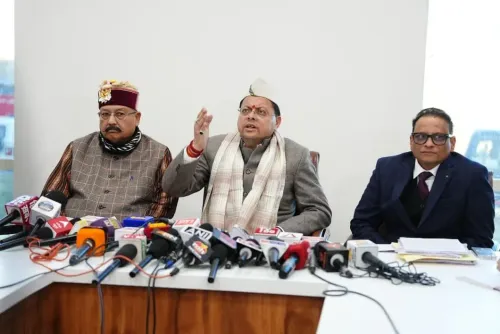
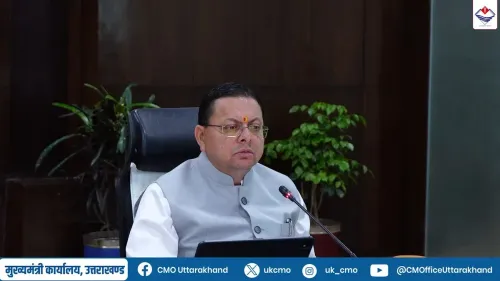
Uttarakhand's supplementary budget for 2026-27 is doing double duty — bankrolling the state's most sacred pilgrimages while shoring up the mountain infrastructure that makes life livable year-round. The Chief Minister's Office of Uttarakhand announced on Tuesday, 27 October 2026 that the revised spending plan earmarks nearly ₹290 crore for infrastructure ahead of the upcoming Divya Kumbh (the Divine Kumbh), alongside major water-supply and disaster-mitigation allocations.
₹290 crore for Kumbh, and a corridor along the Ganges
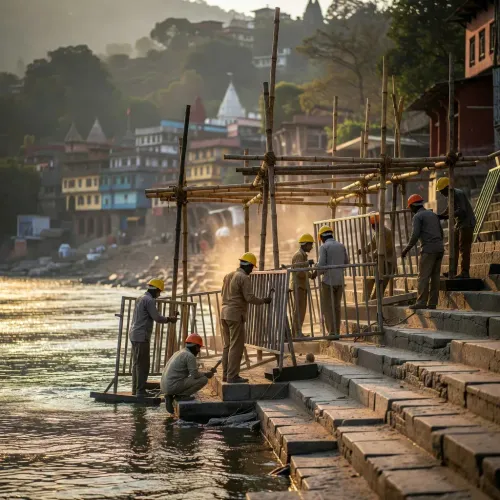
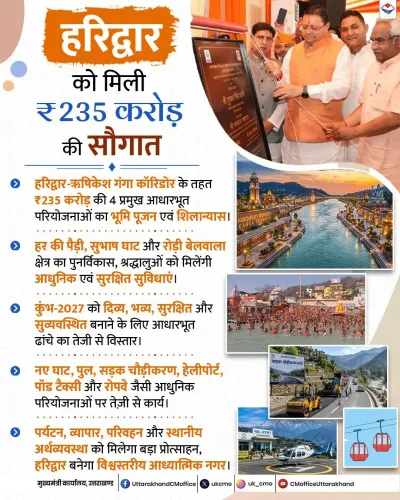
The headline figure is the cumulative ₹290 crore provisioned across various grants for facilities linked to the upcoming Kumbh Mela at Haridwar. Embedded within that package is a capital outlay of ₹30 crore for the Haridwar-Ganga Corridor Project — a long-gestating infrastructure initiative designed to upgrade pilgrim-facing amenities along the river's banks and ensure time-bound completion of civil works. Uttarakhand has repeatedly channelled pre-Kumbh resources into Haridwar, with its 2021 congregration driving a previous round of such investment; the 2026-27 supplementary budget continues that pattern with visible urgency.
Nanda Rajjat Yatra gets ₹20 crore capital push
Beyond Kumbh, the budget also rings-fences ₹20 crore in capital expenditure for the Nanda Rajjat Yatra, the periodic cultural-religious procession venerating Goddess Nanda Devi that winds through the high Himalayas and stands as one of Uttarakhand's most cherished elements of intangible heritage. The allocation is intended to strengthen the logistics, route infrastructure, and support facilities for pilgrims and participants. For communities across the Kumaon and Garhwal hills, the Yatra is not a tourist spectacle — it is identity, and the government's capital commitment signals recognition of that weight.
₹122 crore dam project to quench Gairsain's thirst
Farthest from the pilgrim circuit but arguably most consequential for governance symbolism is the Gairsain Jalaapoorti Baandh Yojana (Gairsain Water Supply Dam Project), which has been provisioned ₹122 crore in the supplementary budget. Gairsain, the hill town designated as Uttarakhand's summer capital to symbolise balanced regional development, has long struggled with reliable drinking water. This investment directly addresses one of the state's most visible infrastructure ironies — a seat of government that lacked adequate water supply.
₹300 crore for Jal Jeevan Mission dues, ₹110 crore for KfW project
On the broader drinking-water front, ₹300 crore has been earmarked under the national Jal Jeevan Mission — the programme launched in 2019 to deliver functional tap connections to every rural household — covering pending contractor payments and other pressing liabilities. A further ₹110 crore is proposed for the KfW Project under the state's drinking-water department, reflecting an ongoing German development-bank collaboration on water infrastructure. Together, these two lines alone account for over ₹400 crore in water-sector spending, underscoring chronic systemic gaps the state is now racing to close.
₹48 crore earmarked for Joshimath and other subsidence zones
No Uttarakhand budget can ignore the ground literally shifting beneath its towns. The supplementary estimates set aside approximately ₹48 crore for stabilisation and remedial works at Joshimath and other disaster-sensitive locations hit by land subsidence. Joshimath, the gateway to revered shrines including Badrinath and Hemkund Sahib, drew national attention after cracks appeared in hundreds of structures, forcing temporary evacuations. The budget provision signals that the state continues to treat slope stabilisation as an ongoing emergency, not a one-time response.
From the Ganges bank at Haridwar to a drought-prone summer capital to a hillside town cracking under its own weight, this supplementary budget traces the full, unforgiving geography of governing a Himalayan state — and the government is betting that targeted capital spending can hold it all together ahead of one of the world's largest human gatherings.
Point of View
And a ₹122-crore water project is the most concrete step in years. The Joshimath subsidence provision, while welcome, will be watched closely — past emergency releases have faced utilisation delays, and the disaster window there remains open. Taken together, the budget reveals a government threading cultural capital, development equity, and disaster resilience into a single spending document, aware that all three are electorally visible in a state where geography and faith are inseparable from governance.
NationPress
27 Oct 2026
Frequently Asked Questions
How much has Uttarakhand budgeted for Kumbh Mela infrastructure in 2026-27?
The 2026-27 supplementary budget proposes approximately ₹290 crore in aggregate across various grants for infrastructure facilities related to the upcoming Divya Kumbh at Haridwar, including ₹30 crore specifically for the Haridwar-Ganga Corridor Project.
What is the Haridwar-Ganga Corridor Project?
The Haridwar-Ganga Corridor Project is an infrastructure development initiative along the Ganges riverfront in Haridwar aimed at upgrading pilgrim amenities and supporting facilities ahead of large-scale religious congregations such as Kumbh Mela. The 2026-27 supplementary budget allocates ₹30 crore in capital expenditure for it.
What is Nanda Rajjat Yatra and why did it get budget funds?
Nanda Rajjat Yatra is a periodic cultural and religious procession in Uttarakhand venerating Goddess Nanda Devi, considered an important part of the state's intangible heritage. The supplementary budget allocates ₹20 crore in capital funds to strengthen its logistics, route infrastructure, and support facilities.
Why is Gairsain getting ₹122 crore for a water project?
Gairsain is Uttarakhand's designated summer capital, but it has long faced unreliable drinking water supply. The ₹122-crore Gairsain Jalaapoorti Baandh Yojana (water supply dam project) in the supplementary budget is intended to address this chronic shortage in a high-altitude area.
What funds has Uttarakhand set aside for Joshimath in the supplementary budget?
The 2026-27 supplementary budget earmarks approximately ₹48 crore for remedial and stabilisation works at Joshimath and other land-subsidence-sensitive locations, continuing the state's ongoing response to the geological crisis that damaged hundreds of structures in the town.