Haridwar Gets a Facelift Ahead of Kumbh Mela
Synopsis
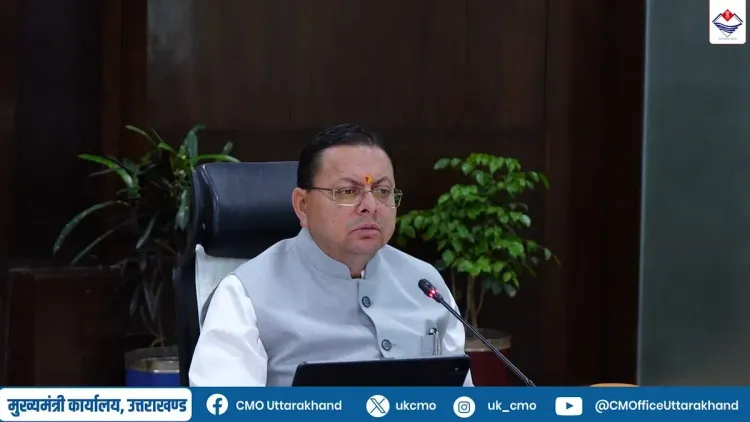
Haridwar is undergoing a citywide beautification drive — religious murals, paintings, and colours adorning its walls and ghats — as Uttarakhand's government ramps up preparations for the upcoming Kumbh Mela, the state's Chief Minister's Office announced on 29 September 2026.
Key Takeaways
The Chief Minister's Office of Uttarakhand announced on 29 September 2026 that Haridwar is being beautified ahead of the Kumbh Mela .
Beautification includes religious paintings and murals across the city's streets and structures.
Haridwar, known as Dharm Nagari , is one of four cities in India that hosts the Kumbh Mela .
State governments have historically combined hard infrastructure and civic beautification as dual Kumbh preparation tracks — a pattern last seen here ahead of the 2010 Haridwar Kumbh .
The scale of the Kumbh draws tens of millions of pilgrims to the banks of the Ganga .
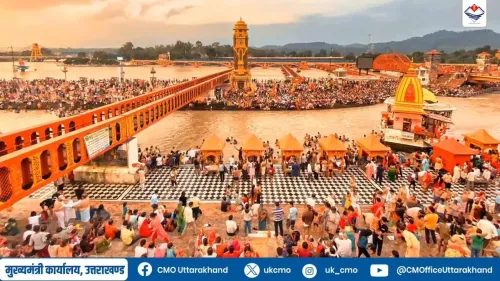
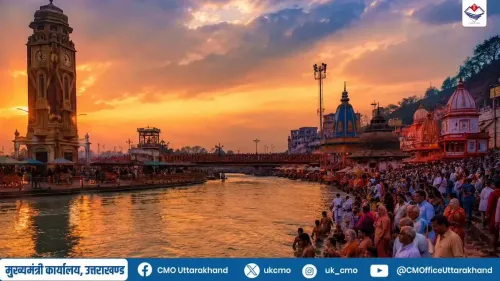
Religious murals are going up on walls, colours are brightening ghats, and an ancient pilgrimage city is dressing itself for the world. Haridwar is in the middle of a sweeping beautification drive, with the Chief Minister's Office of Uttarakhand confirming on Tuesday, 29 September 2026 that the city is being transformed ahead of the Kumbh Mela — its streets and structures adorned with religious imagery to match the spiritual weight of the occasion.
The CMO's post described the scene in vivid terms: 'धार्मिक चित्रों और रंगों से निखर रहा धर्मनगरी का स्वरूप' — 'the face of the holy city is being illuminated with religious paintings and colours.' The city, it said, is being beautified in step with Kumbh preparations.Why Haridwar Transforms Before Every Kumbh
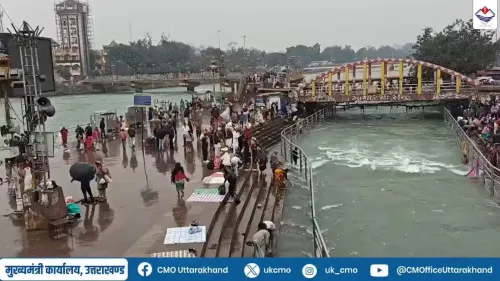
Haridwar, perched on the banks of the Ganga in the foothills of the Himalayas, is one of the four sacred cities that rotate the honour of hosting the Kumbh Mela — the largest peaceful gathering of human beings on the planet. The event draws tens of millions of pilgrims who arrive to bathe at the Har Ki Pauri ghat, believing the waters carry special potency during the astrological window the Kumbh marks. That scale of footfall demands the city be not just functional but uplifted — roads widened, spaces decluttered, and every visible surface turned into a statement of welcome. State governments have historically treated Kumbh preparations as a dual mandate: hard infrastructure to move crowds, and soft beautification to signal devotion and civic pride. Uttarakhand followed this pattern ahead of the 2010 Haridwar Kumbh, when large-scale urban upgrades reshaped the city's public face. The current drive appears to be running along the same logic — walls becoming canvases, pilgrim routes becoming corridors of colour.Art as Infrastructure: The Beautification Approach
The choice to anchor beautification in religious imagery is deliberate and layered. For a city whose entire identity is built around faith — 'Dharm Nagari', the City of Dharma, as the CMO called it — devotional murals are not decoration. They set the register. They tell arriving pilgrims, millions of them, that the state has prepared not just roads and sanitation but reverence. Local residents and small traders along the ghats and bazaars stand to benefit too, as a more visually compelling city tends to extend visitor dwell time and spending. The broader pattern here is familiar across India's major pilgrim circuits — from Varanasi's ghats to Puri's temple corridors — where state-led beautification campaigns have become a standard pre-event ritual, blending urban renewal with cultural assertion.With Haridwar's walls now telling the story in colour and form, the question is how quickly the rest of the city's infrastructure catches up — and whether the holy city is ready to receive the world when the Kumbh finally opens its gates.
Point of View
Making the state appear both efficient and reverent. For the ruling dispensation, a visually transformed Haridwar ahead of the Kumbh is also potent electoral symbolism — proof of delivery to a deeply religious voter base in the hills. The real test, as always, will come in crowd management and last-mile infrastructure when pilgrims arrive in their millions.
NationPress
29 Sept 2026
Frequently Asked Questions
When is the next Kumbh Mela in Haridwar?
The exact date of the next Haridwar Kumbh Mela has not been officially confirmed in this announcement. Haridwar hosts the Kumbh Mela every 12 years, with the last one held in 2010. Preparations are currently underway as of September 2026.
What beautification work is being done in Haridwar for Kumbh Mela?
According to the Uttarakhand Chief Minister's Office, Haridwar is being adorned with religious paintings, murals, and colours across the city as part of preparations for the Kumbh Mela.
Why is Haridwar called Dharm Nagari?
Haridwar is called 'Dharm Nagari' — City of Dharma — because it is one of the holiest pilgrimage cities in Hinduism, situated on the banks of the Ganga and one of the four sacred sites that hosts the Kumbh Mela.
How many people attend Kumbh Mela in Haridwar?
The Haridwar Kumbh Mela draws tens of millions of pilgrims, making it one of the largest human gatherings on earth. Pilgrims come to bathe at Har Ki Pauri ghat during the auspicious astrological window the festival marks.
What infrastructure upgrades accompany Kumbh Mela preparations in Haridwar?
State governments typically pursue both hard infrastructure — road widening, crowd management, sanitation — and soft beautification, including religious murals and civic upgrades, ahead of the Kumbh Mela. Haridwar saw similar large-scale upgrades ahead of its 2010 Kumbh.