CM Uttarakhand: Haridwar walls turn Kumbh cultural canvases
Synopsis
The Uttarakhand Chief Minister's Office says Haridwar is being adorned with Sanatan culture murals ahead of the Kumbh Mela, transforming the pilgrimage city's walls into living depictions of Hindu heritage and tradition.
Key Takeaways
The Uttarakhand CMO announced on 21 July 2026 that Haridwar is undergoing cultural beautification ahead of the upcoming Kumbh Mela .
City walls are being painted with murals depicting Sanatan culture , described as 'a living saga' of Hindu tradition.
The initiative follows a pattern of state-led heritage and mural projects in temple towns before major religious gatherings.
Pilgrims, local artists and the tourism sector are the primary stakeholders expected to benefit.
Uttarakhand undertook similar public-space beautification ahead of the 2010 Haridwar Kumbh Mela .
The official Kumbh Mela calendar and budget allocations for the project are yet to be publicly released.
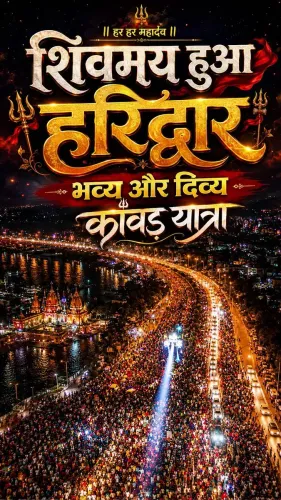
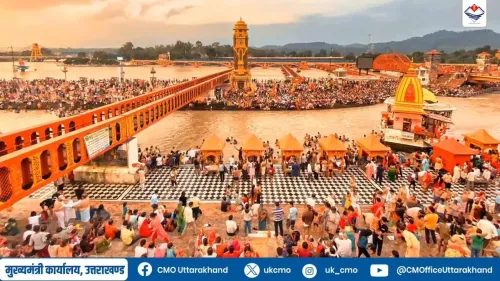
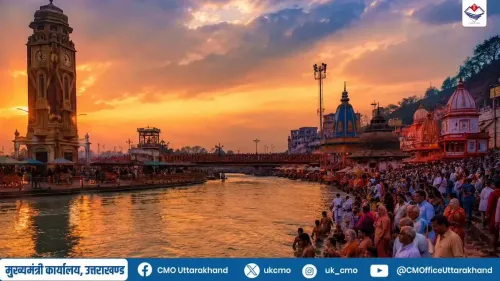
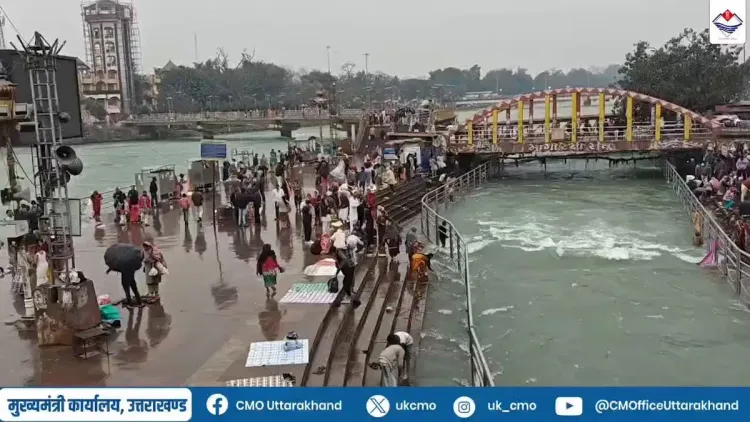
The Chief Minister's Office of Uttarakhand announced on Tuesday, 21 July 2026 that Haridwar, the sacred pilgrimage city on the banks of the Ganga, is being adorned with murals depicting Sanatan culture as part of preparations for the upcoming Kumbh Mela. The post describes the city's walls transforming from mere brick and stone into living narratives of ancient Hindu tradition.
Context
The official post from the Chief Minister's Office captured Haridwar's transformation in evocative terms: 'धर्मनगरी हरिद्वार... अब एक नए रंग में सज रही है' — 'the holy city of Haridwar is now being adorned in a new hue.' It noted that the city's walls are no longer merely brick and stone, but are becoming 'a living saga of Sanatan culture' as Kumbh Mela preparations gather pace. The post was accompanied by a video, offering a visual record of the beautification work underway.
Haridwar is one of Hinduism's seven sacred cities and serves as the gateway to the Char Dham pilgrimage circuit. The Ganga, which flows through the city, is the spiritual and ritual centrepiece of every Kumbh gathering, drawing devotees for ritual bathing known as snan.
Policy Backdrop
State governments across India have a well-established practice of commissioning mural, lighting and heritage beautification projects in temple towns ahead of large religious gatherings. These initiatives serve a dual purpose: projecting cultural identity and stimulating local tourism economies. Uttarakhand followed a similar playbook ahead of the 2010 Haridwar Kumbh Mela, when the state undertook riverfront development and extensive public-space upgrades.
Such projects are typically integrated into broader state tourism policies that treat major religious events as both economic drivers and soft-power assets. Mural programmes of this kind also create direct livelihood opportunities for local and regional artists commissioned to execute the work.
Stakeholders and Impact
Pilgrims arriving from across India and abroad will encounter a visually transformed city, with cultural imagery reinforcing Haridwar's identity as a centre of Sanatan tradition. The local tourism sector — hotels, ghats, transport operators and artisans — stands to benefit from the heightened footfall that a well-publicised Kumbh Mela typically generates.
Local artists are among the most direct beneficiaries of wall-art commissions, which provide both income and a public platform for traditional and devotional art forms. The broader cultural economy of Haridwar, including craft sellers and heritage guides, is also likely to see increased activity as the city's visual profile rises in the run-up to the mela.
What's Next
Observers will watch for the release of the official Kumbh Mela calendar, detailed budget allocations for the beautification drive, and any formal artist tenders linked to the mural project. The state may also seek convergence with central government tourism schemes to scale the initiative.
As Haridwar's walls take on new life, the broader question is whether this cultural investment will be matched by infrastructure upgrades — transport, sanitation and crowd management — that determine the on-ground experience for the millions expected to attend.
Point of View
The state is positioning the mela as a cultural assertion, not just a religious event. This fits a broader pattern among BJP-governed states of deploying temple-town aesthetics as both tourism policy and political messaging. The real test will be whether the cultural investment is underpinned by the logistical infrastructure needed to handle the enormous crowds a Haridwar Kumbh draws.
NationPress
20 Oct 2026
Frequently Asked Questions
When is the next Kumbh Mela in Haridwar?
The Uttarakhand CMO's post refers to an 'upcoming Kumbh Mela' in Haridwar, though an official date has not been confirmed in the post. Haridwar hosts the Kumbh Mela on a 12-year cycle, with the last full Kumbh held in 2021.
What are the Haridwar Kumbh Mela 2026 preparations?
As of July 2026, the Uttarakhand government is overseeing cultural beautification of Haridwar, including murals depicting Sanatan culture on city walls, as part of Kumbh Mela preparations.
What is Sanatan culture and why is it significant at Haridwar?
Sanatan Dharma refers to the ancient traditions of Hinduism. Haridwar is one of the faith's seven sacred cities and the primary site for the Haridwar Kumbh Mela, making it a natural canvas for expressions of Sanatan heritage.
Why does Uttarakhand decorate Haridwar before the Kumbh Mela?
State governments routinely commission beautification, mural and lighting projects in pilgrimage cities before major religious events to attract pilgrims, boost tourism revenue and project cultural identity.
Who benefits from the Haridwar Kumbh Mela wall art project?
Local artists receive commissions, pilgrims experience a visually enriched city, and the broader tourism sector — hotels, transport operators and artisans — benefits from increased footfall around the event.