PRAGATI initiative: Shivraj Chouhan targets 20,000 agri-entrepreneurs, 20 lakh farmers
Synopsis
Agriculture Minister Shivraj Singh Chouhan has launched PRAGATI, a programme targeting 20,000 new agri-entrepreneurs and 20 lakh farmers across eight states, backed by the SBI Foundation and the Gates Foundation. Built on an existing network of 26,000-plus agri-entrepreneurs, it is one of the most structurally ambitious farmer-income initiatives of the current government — and its outcomes will test whether institutional backing can translate into measurable rural income gains.
Key Takeaways
Shivraj Singh Chouhan launched the PRAGATI initiative on 7 July in New Delhi .
The programme targets 20,000 new agri-entrepreneurs and direct support for 20 lakh farmers .
PRAGATI builds on an existing network of over 26,000 agri-entrepreneurs across India.
It is backed by the State Bank of India Foundation (SBIF) and the Gates Foundation .
Implementation will span 8 states : Madhya Pradesh, Bihar, Uttar Pradesh, Assam, West Bengal, Jharkhand, Maharashtra, and Rajasthan.
The initiative is framed as part of the Viksit Bharat@2047 vision for a developed agricultural sector.
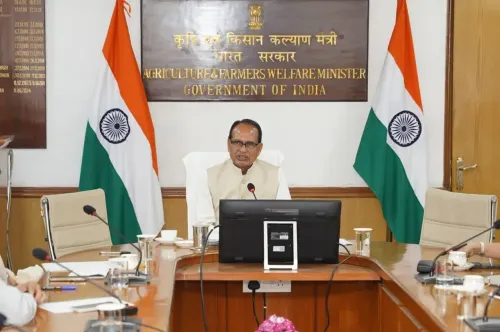
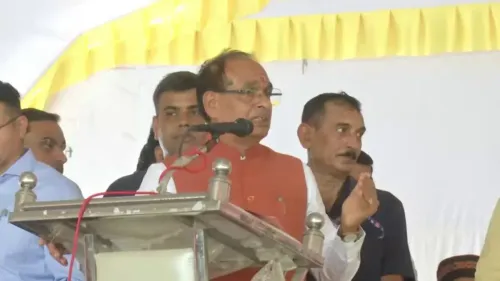
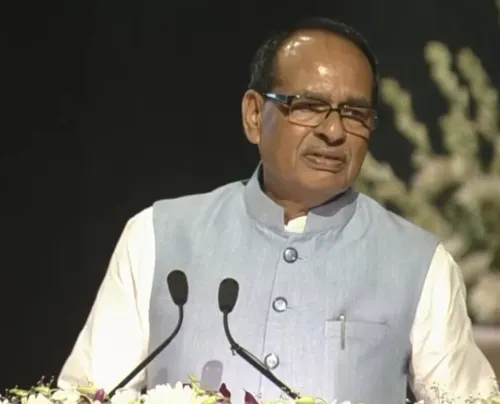
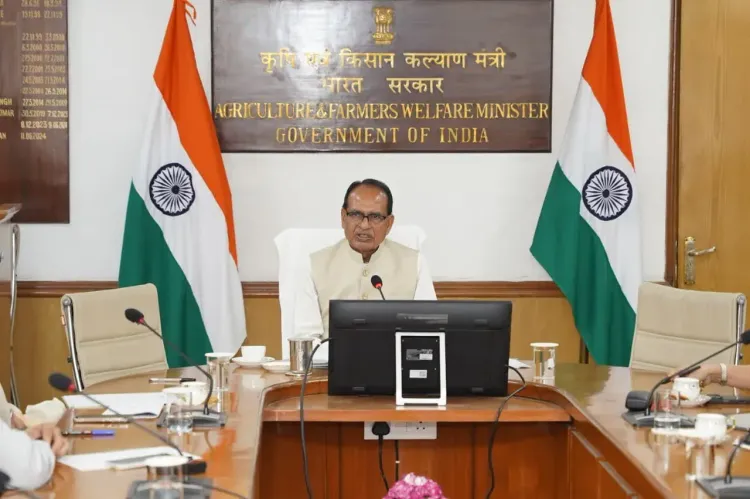
Union Minister of Agriculture and Farmers Welfare Shivraj Singh Chouhan on Tuesday, 7 July launched PRAGATI, a structured agri-entrepreneurship programme aimed at empowering 20,000 agri-entrepreneurs and directly supporting 20 lakh farmers across India. The initiative marks one of the most ambitious single-programme pushes under the current agricultural ministry to bridge the gap between smallholder farming and market-linked enterprise.
What PRAGATI Aims to Deliver
The programme is designed to build a nationwide ecosystem of agri-entrepreneurs, layered on top of an existing network of over 26,000 agri-entrepreneurs already active across the country. Its stated goals include connecting farmers with technology, farm mechanisation, soil health management, and improved market access — with a strong emphasis on inclusive participation and balanced representation within the agricultural sector.
Chouhan said the government's agenda extends well beyond boosting crop output. “The focus is not limited to increasing agricultural production, but also includes reducing cultivation costs, increasing farmers’ incomes, promoting crop diversification, and making agriculture more profitable,” he said. He added that traditional farming alone is insufficient for small and marginal farmers, making value addition, food processing, and agriculture-based entrepreneurship essential levers for income growth.
Design and Institutional Backing
PRAGATI has been developed with the support of several foundations, including the State Bank of India Foundation (SBIF) and the Gates Foundation. The programme draws on learnings from prior agri-entrepreneurship initiatives implemented across multiple Indian states. It is explicitly positioned as a climate-resilient regenerative agriculture initiative aimed at transforming the smallholder farming landscape at scale.
Monica Bauer, Senior Vice President, Global Social Impact, of a foundation supporting the initiative, said farmers play a vital role in driving local economies and that supporting their livelihoods is essential to building a more resilient food system. Her colleague Jagrut Kotecha said the programme aims to expand access to the tools and knowledge farmers need to grow more sustainably and to strengthen food systems for generations to come.
States Covered Under the Programme
PRAGATI will be implemented across key agricultural states: Madhya Pradesh, Bihar, Uttar Pradesh, Assam, West Bengal, Jharkhand, Maharashtra, and Rajasthan. The multi-state rollout reflects an intent to concentrate impact in regions where smallholder farming dominates and income vulnerability is highest.
Broader Policy Context
Chouhan framed the launch within the government’s Viksit Bharat@2047 vision, arguing that a developed agricultural sector and prosperous villages are prerequisites for that goal. This comes amid persistent concerns about farmer income stagnation and rural distress, with agriculture’s contribution to GDP declining even as it continues to employ a large share of India’s workforce. PRAGATI is positioned as an extension of ongoing policy efforts to make farming economically viable for the next generation of rural entrepreneurs.
With implementation set to span eight states and a target of adding 20,000 new agri-entrepreneurs to an already established network, the programme’s execution and measurable outcomes will be closely watched by both policymakers and development finance institutions involved in its design.
Point of View
Gates Foundation, multi-state rollout — gives it more structural credibility than a typical ministerial announcement. But the real question is measurement: India has launched agri-entrepreneurship schemes before, and the gap between targets and verifiable outcomes has been wide. With 20 lakh farmers as the stated beneficiary base spread across eight states, the programme needs a rigorous, publicly auditable tracking mechanism. Without one, even well-funded initiatives risk becoming headline numbers that do not translate into durable income gains for smallholders.
NationPress
7 Jul 2026
Frequently Asked Questions
What is the PRAGATI initiative launched by Shivraj Singh Chouhan?
PRAGATI is an agri-entrepreneurship programme launched on 7 July by Union Agriculture Minister Shivraj Singh Chouhan, targeting 20,000 new agri-entrepreneurs and direct support for 20 lakh farmers. It is backed by the SBI Foundation and the Gates Foundation and will be implemented across eight states.
Which states will PRAGATI be implemented in?
The programme will be rolled out across Madhya Pradesh, Bihar, Uttar Pradesh, Assam, West Bengal, Jharkhand, Maharashtra, and Rajasthan — states where smallholder farming is most prevalent.
How does PRAGATI differ from existing agri-entrepreneurship programmes?
PRAGATI is designed to add 20,000 new agri-entrepreneurs on top of an already existing network of over 26,000, drawing on learnings from prior initiatives. It explicitly integrates climate resilience and regenerative agriculture, distinguishing it from earlier production-focused schemes.
Who are the institutional partners behind PRAGATI?
The programme has been developed with the support of the State Bank of India Foundation (SBIF) and the Gates Foundation, among other foundations. Representatives from the Gates Foundation’s global social impact team, including Monica Bauer and Jagrut Kotecha, have publicly endorsed its goals.
How does PRAGATI connect to the Viksit Bharat@2047 vision?
Minister Chouhan framed PRAGATI as integral to achieving Viksit Bharat@2047, arguing that a developed agricultural sector and prosperous villages are prerequisites for India’s broader development goals. The programme targets income growth for smallholder farmers through value addition, food processing, and market access.