PM Modi Credits 1.4 Billion Indians for India's Global Growth Story

Synopsis
Prime Minister Narendra Modi on July 7, 2026 credited India's 1.4 billion people for the country's economic rise and linked India's success to global well-being, reinforcing his government's inclusive and planet-positive growth narrative.
Key Takeaways
Prime Minister Narendra Modi posted on July 7, 2026 attributing India's growth to the efforts of 1.4 billion Indians .
The post explicitly connects India's domestic economic success to positive outcomes for the planet.
India's economic growth has been underpinned by reforms dating to the 1991 liberalisation , sustained across successive governments.
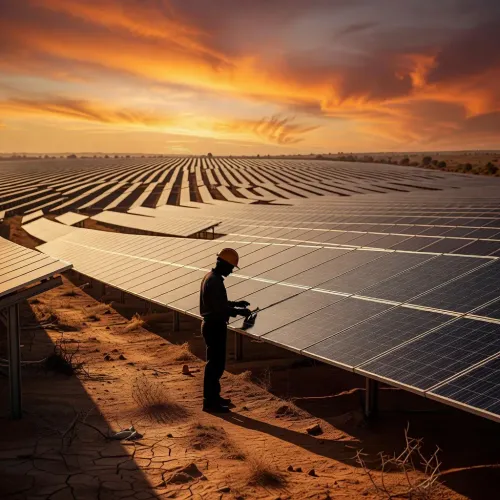
India pledged net-zero emissions by 2070 at COP26 in 2021 , framing growth and sustainability as compatible goals.
The government consistently positions India as a model for developing nations balancing rapid growth with climate responsibility in forums such as the G20 and COP .
Upcoming releases including India's Economic Survey and future multilateral climate meetings will be key tests of this narrative.
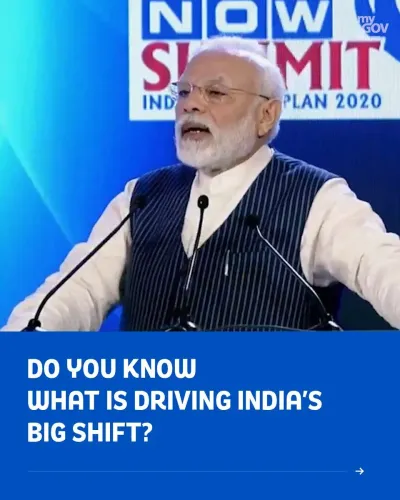
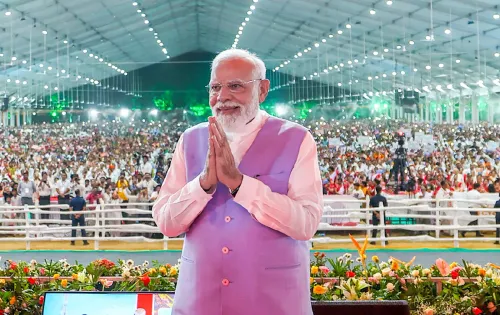
Prime Minister Narendra Modi on Tuesday, July 7, 2026, attributed India's economic rise to the collective efforts of its 1.4 billion citizens, while also framing the country's success as a contribution to a healthier planet.
Context
In his post on X, Prime Minister Modi stated: 'The growth India has achieved today is due to the efforts of 1.4 billion Indians. And, the success of India is contributing to a better planet.' The message, accompanied by a video, underscores a recurring theme in the government's public communication — that India's development story is driven by its people rather than any single policy or administration.
The framing reflects a deliberate effort to position India's growth as a collective, bottom-up achievement. It also links domestic economic progress to global outcomes, a narrative India has consistently advanced in multilateral forums.
Policy Backdrop
India's economic trajectory has roots in the landmark 1991 liberalisation reforms, which opened markets and set the country on a path of sustained GDP expansion over three decades. Since then, successive governments have sought to maintain and accelerate this momentum through structural reforms, infrastructure investment, and social welfare programmes.
On the climate front, India pledged at COP26 in 2021 to achieve net-zero emissions by 2070, explicitly tying its growth ambitions to long-term sustainability commitments. Official messaging has increasingly presented rapid economic expansion and environmental responsibility as complementary rather than conflicting goals.
India's positioning as a voice for developing nations in trade and climate negotiations has made this dual narrative — growth for people, good for the planet — a cornerstone of its diplomatic identity, particularly in G20 and COP settings.
Stakeholders and Impact
The most direct stakeholders in this narrative are India's 1.4 billion citizens, whose labour, consumption, and entrepreneurship are credited as the engine of growth. The Prime Minister's framing serves to reinforce a sense of shared ownership over the country's economic achievements, cutting across regional, linguistic, and economic divides.
The global climate community is equally implicated. By asserting that India's success 'contributes to a better planet,' the government signals its intent to remain a constructive actor in international sustainability dialogues, even as it pursues aggressive domestic growth targets. This posture is particularly significant for developing nations that look to India as a model for balancing development with climate responsibility.
What's Next
Attention will turn to India's next Economic Survey and the government's participation in upcoming COP meetings and G20 follow-up sessions on green growth metrics. These platforms will test whether the inclusive, planet-positive growth narrative translates into measurable policy commitments and verifiable outcomes. As India's global economic footprint expands, the alignment between its domestic achievements and its international climate pledges will face increasing scrutiny from both allies and multilateral institutions.
Point of View
Planet-positive' growth frame that has defined his government's external messaging since at least the G20 presidency in 2023. By attributing success to 1.4 billion citizens rather than to specific schemes or leadership, the statement is both politically inclusive and diplomatically useful — it pre-empts criticism that India's growth comes at a global environmental cost. The simultaneous nod to planetary benefit keeps India's climate credentials intact ahead of future COP negotiations. Taken together, the message reinforces India's self-positioning as an indispensable voice for the Global South on both economic and sustainability questions.
NationPress
6 Oct 2026
Frequently Asked Questions
What did PM Modi say about India's economic growth on July 7 2026?
Prime Minister Narendra Modi stated that India's growth is the result of the efforts of its 1.4 billion citizens and that India's success is contributing to a better planet.
Why does PM Modi credit 1.4 billion Indians for India's growth?
The framing reflects the government's consistent narrative that India's development is a collective, bottom-up achievement driven by its people rather than any single policy or leader.
How is India's growth linked to global sustainability?
India pledged net-zero emissions by 2070 at COP26 in 2021, and official messaging has since framed rapid economic expansion and environmental responsibility as complementary goals.
What is India's role in global climate and economic forums?
India positions itself as a leading voice for developing nations in multilateral forums such as the G20 and COP meetings, arguing that growth and sustainability can go hand in hand.
What should we watch for after PM Modi's July 2026 growth statement?
Key indicators include the release of India's next Economic Survey and the government's positions at upcoming COP and G20 sessions on green growth metrics.