Shivraj launches 125-day rural job guarantee mission
Synopsis
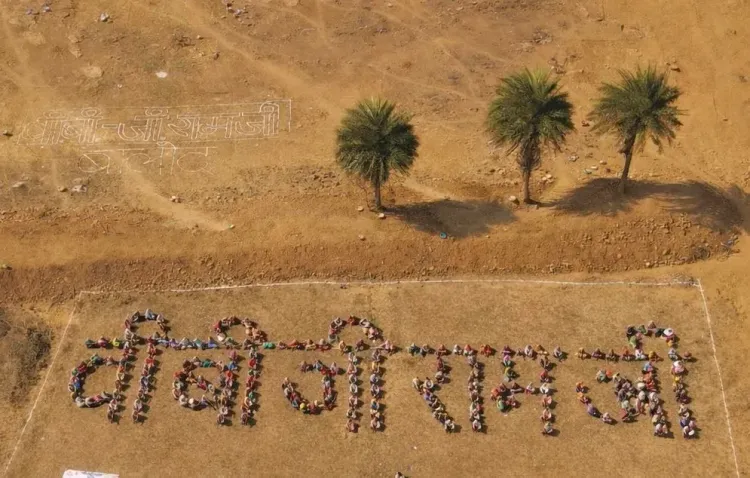
Union Minister Shivraj Singh Chouhan announced on 1 July 2026 that the Viksit Bharat – Guarantee for Employment and Livelihood Mission (Rural) has been launched nationwide, raising the statutory rural job guarantee from 100 to 125 days per household and focusing on women's empowerment and durable asset creation.
Key Takeaways
The Viksit Bharat – Guarantee for Employment and Livelihood Mission (Rural) was launched nationwide on 1 July 2026 .
The statutory rural employment guarantee is expanded from 100 days to 125 days per rural household annually.
The mission is framed under PM Modi's broader Viksit Bharat (Developed India by 2047) vision.
Key goals include creation of durable rural assets , empowerment of women in villages , and reducing rural distress migration.
Gram panchayats are the primary implementation bodies; state governments must now notify operational rules and revise labour budgets.
The scheme builds on the original MGNREGA (2005) , which first established the 100-day wage employment right for rural households.
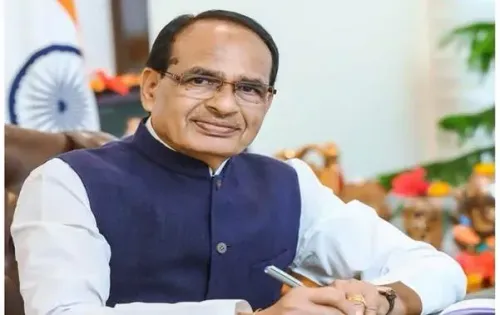
Union Agriculture and Rural Development Minister Shivraj Singh Chouhan announced on Wednesday, 1 July 2026 that the Viksit Bharat – Guarantee for Employment and Livelihood Mission (Rural) has been rolled out across the country, expanding the statutory rural employment guarantee from 100 days to 125 days per household annually under the leadership of Prime Minister Narendra Modi.
Context
Chouhan described the day as 'aitihāsik aur abhūtapūrv' (historic and unprecedented), posting on X that the mission had come into effect nationwide. In his words, this is 'not merely an act, but a new chapter of dignity, self-respect, and secure livelihood for crores of rural worker brothers and sisters.' The announcement positions the expanded scheme as a cornerstone of the government's Viksit Bharat vision — a roadmap for a developed India by 2047.
Policy Backdrop
The foundation of rural wage employment in India rests on the Mahatma Gandhi National Rural Employment Guarantee Act (MGNREGA), enacted in 2005, which gave rural households a legal right to at least 100 days of wage employment per year. Over successive governments, the 100-day floor has been supplemented through administrative notifications for drought relief or special works, but a statutory increase to 125 days would mark a significant legislative step forward.
The new mission, as described by Chouhan, goes beyond a simple day-count increase. It explicitly links wage employment to the creation of durable rural assets, the empowerment of mātṛśakti (women's workforce), and the goal of building a self-reliant rural India — all framed under the Viksit Bharat development framework that Prime Minister Modi's government has championed since 2024.
Stakeholders and Impact
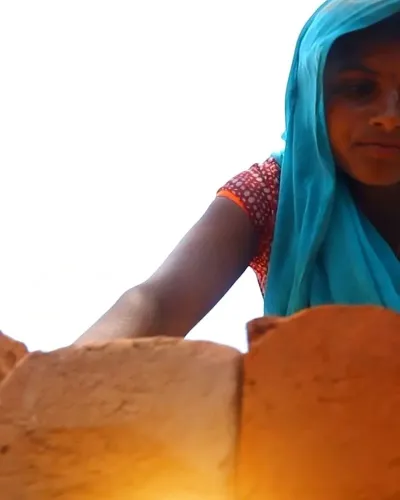
The primary beneficiaries are rural labourer households across India, particularly women, whom Chouhan specifically mentioned as a focus of empowerment under the new mission. Gram panchayats, which serve as the local implementing bodies for rural employment schemes, will be central to rolling out the expanded mandate and identifying asset-creation works.
A statutory increase of 25 additional days per household translates into meaningfully higher annual incomes for millions of families at the bottom of the rural economy, and could reduce distress migration from villages to urban centres — a persistent challenge that rural employment programmes have long aimed to address. The emphasis on sustainable asset creation is intended to ensure that wage expenditure leaves behind productive rural infrastructure such as water conservation works, roads, and community facilities.
What's Next
Implementation will now depend on state governments notifying their own operational rules, revising labour budgets to accommodate the expanded entitlement, and training panchayat-level functionaries. Independent monitoring of works quality, timely wage payments, and actual women's participation rates will be the key metrics by which the mission's success is judged in the coming financial year. Chouhan's post closed with a call to action — 'Āiye, samṛddh, sashakt tathā ātmanirbhar gāṃvoṃ ke nirmāṇ meṃ sahabhāgī baneṃ' (Come, let us participate in building prosperous, empowered, and self-reliant villages) — signalling that the government intends to mobilise broad stakeholder engagement beyond the bureaucracy.
Point of View
Countering opposition criticism that MGNREGA has been starved of funds. Raising the entitlement from 100 to 125 days is a politically potent move, but the credibility test will come in actual budget allocations and timely wage disbursement — areas where past performance has drawn scrutiny. The explicit focus on women's participation and asset creation suggests the government is attempting to shift the scheme's image from a 'dole' to a 'development' instrument. How quickly state governments operationalise the expanded mandate will determine whether the 1 July announcement translates into ground-level change.
NationPress
30 Sept 2026
Frequently Asked Questions
What is the Viksit Bharat Guarantee for Employment and Livelihood Mission Rural?
It is a newly launched central government scheme that expands India's statutory rural employment guarantee from 100 days to 125 days per household annually, with an additional focus on durable asset creation and women's empowerment, framed under the Viksit Bharat development vision.
How many days of work will rural families get under the new scheme?
Rural households will now be entitled to 125 days of wage employment per year, up from the 100-day guarantee that existed under MGNREGA since 2005.
Who announced the Viksit Bharat rural employment mission?
Union Minister for Agriculture, Farmers Welfare and Rural Development Shivraj Singh Chouhan announced the nationwide rollout on 1 July 2026 , crediting Prime Minister Narendra Modi's leadership.
What is MGNREGA and how does the new mission relate to it?
MGNREGA — the Mahatma Gandhi National Rural Employment Guarantee Act — was enacted in 2005 to give rural households a legal right to at least 100 days of wage employment. The new Viksit Bharat mission builds on this foundation, raising the entitlement to 125 days and adding goals around asset creation and women's workforce participation.
Who benefits from the 125-day rural employment guarantee?
The primary beneficiaries are rural labourer households across India, with a specific emphasis on women as a targeted group for empowerment. Gram panchayats are the local bodies responsible for implementation.