Azhar Ali blames departmental cricket shutdown for Pakistan's Test slide
Synopsis
Azhar Ali's diagnosis of Pakistan's Test crisis cuts deeper than tactics — he traces the rot to 2019, when departmental cricket was dismantled, stripping hundreds of young players of their only financial lifeline. With the PCB now axing WAPDA and Sahir Associates from the 2026-27 season, Ali warns history is repeating itself.
Key Takeaways
Azhar Ali , who captained Pakistan in nine Tests and 31 ODIs , says the shutdown of departmental cricket is the primary cause of Pakistan's Test slide.
The PCB has removed WAPDA and Sahir Associates from the 2026-27 domestic season for failing to comply with new regulations.
Departmental cricket was abolished in 2019 under Imran Khan and restored only in 2023 after his removal from office.
Ali warned that even PKR 30,000–40,000 monthly pay from smaller departments is financially vital for young Pakistani players and their families.
He criticised the PCB's practice of changing domestic structures every year, calling it a cycle of unacknowledged mistakes.
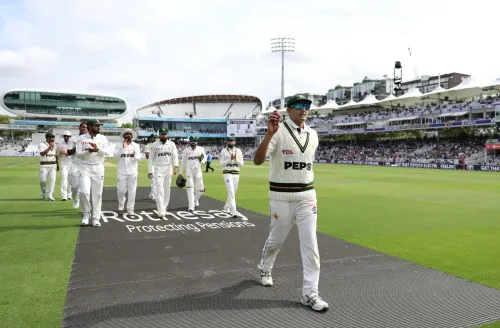
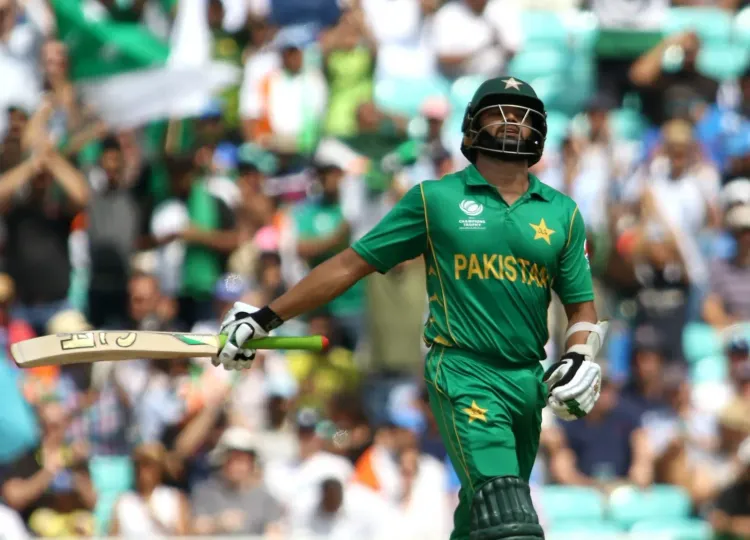
Former Pakistan captain Azhar Ali has squarely blamed the shutdown of departmental cricket for his country's declining fortunes in Test cricket, calling the system the 'biggest nursery' Pakistan cricket ever had — and warning that it is once again 'being pushed out.' Ali, who captained Pakistan in nine Tests and 31 ODIs, made the remarks in an interview with Cricinfo.
The Departmental System: What Was Lost
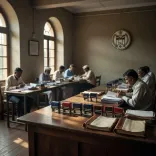
Departmental cricket — where government bodies and large corporations fielded professional teams, providing players with salaries and financial stability — was effectively dismantled in 2019 under the administration of then Prime Minister Imran Khan. The departments returned only in 2023, after Khan was removed from office. Ali was among a group of cricketers who personally appealed to Khan at the time to reverse the decision, but were not persuaded.
'Department cricket is a big need for Pakistan,' Ali said. 'It's contributed a lot to our cricket. We shut it down a few years ago, and my personal view is that the slide in Pakistan's international cricket right now has a lot to do with department cricket being shut down. After that, it took department cricket a long time to recover. It was the biggest nursery for Pakistan cricket, and today again it feels like it's being pushed out.'
PCB Axes Two Departments for 2026-27 Season
The warning comes as the Pakistan Cricket Board (PCB) recently removed two departments — WAPDA and Sahir Associates — from the 2026-27 domestic season, citing their 'inability to comply' with new regulations. WAPDA is one of Pakistan's oldest domestic sides; Sahir Associates also declined to accept the PCB's revised terms. Critics argue the move risks repeating the structural damage of 2019.
The Financial Reality for Young Pakistani Cricketers
Ali, who was himself shaped by departmental cricket before breaking onto the international stage, stressed that the system's value was not merely sporting — it was economic. 'I was moulded in department cricket, as so many others have been,' he said. 'At times, no one in the regions used to pay us any heed whatsoever. But the departments gave us salaries and financial security, and stuck with us.'
He pointed out that even modest pay — as little as PKR 30,000–40,000 from Grade 2 teams — was critical in Pakistan's economic reality. 'Otherwise, young players' parents won't let them play and will tell them to find proper jobs instead.' He noted that several young players left Pakistan altogether after departments were abolished in 2019, seeing no viable future in domestic cricket.
PCB's Cycle of Change Under Fire
Ali also took direct aim at what he described as the PCB's habit of overhauling systems annually without allowing any structure sufficient time to deliver results. 'The first thing I'd do is to give any system we implement a few years. If you change every year, then you were either wrong last year, or you're wrong now. At the PCB, our problem is we're never wrong, but perhaps we're never right either, because when you change every year, it means there was a mistake.'
He added that the board repeatedly promises improved player development each season, yet the pipeline has not produced the expected results. This comes amid Pakistan's broader struggles in Test cricket, where the team has faced mounting pressure from results on the field. Whether the PCB addresses Ali's concerns — or proceeds with further structural changes — will likely shape the next generation of Pakistan Test cricketers.
Point of View
Not tactical — he is not complaining about selection or coaching, but about the economic scaffolding that produces cricketers in a country where sport cannot be a middle-class hobby. The PCB's decision to again remove WAPDA and Sahir Associates, barely two years after departments were restored, suggests institutional memory is short. What mainstream coverage misses is the emigration angle: young players leaving Pakistan after 2019 is a talent drain that no domestic restructuring can easily reverse. The board's annual system overhauls, as Ali notes, are not reform — they are the absence of it.
NationPress
30 Sept 2026
Frequently Asked Questions
Why does Azhar Ali blame departmental cricket's shutdown for Pakistan's Test decline?
Azhar Ali argues that departmental cricket was the primary financial and developmental pipeline for Pakistani players, providing salaries and stability that regional cricket could not. Its abolition in 2019 disrupted player development for years, and he believes the effects are still visible in Pakistan's Test performances.
Which departments has the PCB removed for the 2026-27 season?
The PCB has axed WAPDA and Sahir Associates from the 2026-27 domestic season, citing their inability to comply with new regulations. WAPDA is one of Pakistan's oldest domestic sides, and both departments declined to accept the board's revised terms.
When was departmental cricket shut down and when did it return?
Departmental cricket was abolished in 2019 under Prime Minister Imran Khan, despite appeals from players including Azhar Ali. It was restored in 2023 after Khan was removed from office, but critics say the gap caused lasting structural damage to Pakistan's player pipeline.
Why is financial support from departments so important for Pakistani cricketers?
Ali explained that in Pakistan's economic reality, even a modest PKR 30,000–40,000 monthly salary from a Grade 2 department team is critical for young players to sustain themselves and contribute to their families. Without it, many players' parents push them toward conventional employment, and some left Pakistan entirely after departments were removed in 2019.
What is Azhar Ali's criticism of how the PCB manages domestic cricket?
Ali criticised the PCB for overhauling its domestic cricket structure almost every year, arguing that no system can deliver results without being given adequate time. He said the board repeatedly promises improved player development each season but has not produced the pipeline it has targeted.