Nvidia Spotlights Real-Time Robotics in Punchy X Reply
Synopsis
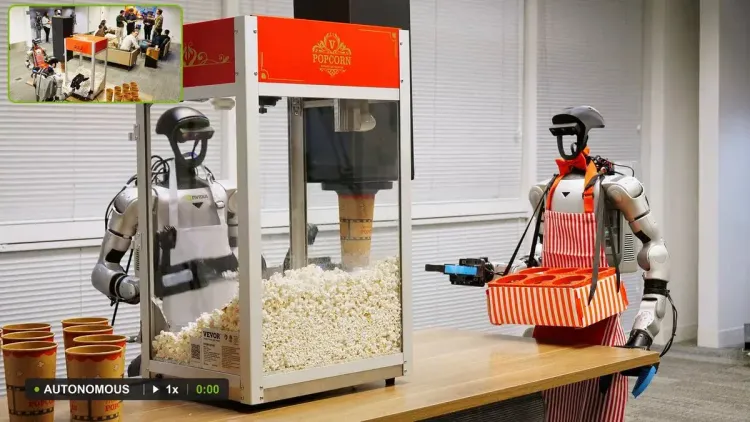
Chip giant Nvidia posted a sharp four-word message — 'Real robots. Real time.' — on X on 14 November 2026, backed by a video, signalling that its GPU and edge-AI ecosystem including Isaac Sim and Jetson hardware is now driving live physical robotics deployments, not just simulations.
Key Takeaways
Nvidia posted 'Real robots.
Real time.' on X on 14 November 2026 , accompanied by a video.
The post signals Nvidia's push beyond cloud AI training into real-time, on-device inference for physical robots.
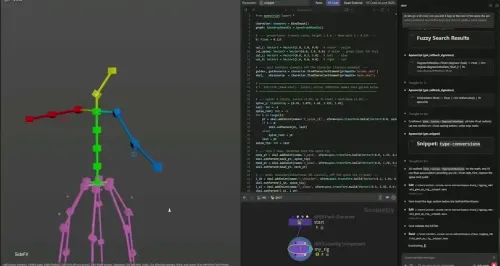
Nvidia's Isaac Sim and Jetson platforms are central to its robotics strategy, bridging virtual simulation and physical deployment.
Real-time performance — eliminating cloud-latency in robotic systems — is the core technical challenge the company is positioning itself to solve.
The CUDA software ecosystem is being extended to robotics developers needing deterministic, millisecond-level response times.
Investors and developers should watch the next GTC keynote for concrete robotics deployment figures and new platform announcements.
The two-word signal from one of the world's most powerful chip companies landed like a drumbeat: 'Real robots. Real time.' Chip giant Nvidia posted those four words on X on 14 November 2026, replying to its own handle in a video-backed post that underscores how seriously the Santa Clara company is pushing its AI platforms into physical, real-world machines.
From data-centre GPUs to robots that move
Nvidia built its early dominance on graphics cards for gaming, then pivoted hard into AI training for cloud data centres. The next frontier is the edge — the factory floor, the warehouse conveyor belt, the autonomous vehicle cabin. The company's Isaac Sim simulation platform and Jetson edge-AI hardware line are both designed to close the gap between a robot trained in a virtual environment and one that must act, flawlessly, in a messy physical world. 'Real time' is the operative pressure point: a robot that hesitates half a second in an industrial setting is a liability, not an asset.Why 'real time' is the hardest problem in robotics AI
Cloud-based inference — sending sensor data to a distant server, waiting for a response, then acting — introduces latency that is simply incompatible with fast-moving machinery. The industry has been pushing for years toward on-device, low-latency inference, and Nvidia's GPU and system-on-chip roadmap is squarely aimed at that bottleneck. The company's CUDA ecosystem, long the standard toolkit for AI researchers, is being extended to robotics developers who need deterministic, millisecond-level response times. When Nvidia says 'real time,' it is signalling that its silicon and software stack can meet that bar today — not in a future lab demo.A terse post, a loud strategic message
Corporate X posts from Nvidia rarely waste words, and this one is no exception. The accompanying video, though unverified in its specifics, is consistent with the company's pattern of showcasing hardware deployments at industry events and partner sites. The robotics space is filling up fast — competitors and startups alike are racing to claim the edge-AI inference market — and Nvidia's willingness to plant its flag with blunt confidence reflects how central it considers physical AI to its next decade of growth. Watch the next GTC keynote and partner announcements for concrete deployment numbers and new Jetson or Isaac platform updates. Four words, one video, zero ambiguity — Nvidia is telling the robotics world its hardware is already on the floor, not still on the roadmap.Point of View
Not a casual social-media moment — it marks the company's public confidence that its edge-AI stack has crossed the threshold from lab-grade simulation to production-grade physical deployment. The shift from cloud training to on-device inference is the defining battle in AI hardware right now, and Nvidia is using its brand weight to frame that battlefield on its own terms. For Indian robotics startups and manufacturing automation firms, this trajectory matters: the CUDA ecosystem they already know is becoming the native language of real-world robots. The next GTC keynote will tell us whether the confidence is backed by customer names and deployment numbers.
NationPress
14 Nov 2026
Frequently Asked Questions
What did Nvidia post about robotics on X?
Nvidia replied to its own X handle on 14 November 2026 with the phrase 'Real robots. Real time.' alongside a video, signalling active real-world robotics deployments powered by its AI platforms.
What is Nvidia Isaac Sim?
Isaac Sim is Nvidia's simulation platform that lets robotics developers train and test AI models in a virtual environment before deploying them on physical hardware, reducing real-world trial-and-error.
What is Nvidia Jetson used for?
Nvidia Jetson is a family of edge-AI system-on-chip modules designed for deployment in robots, drones, and autonomous machines that need on-device, low-latency AI inference without relying on a cloud server.
Why does real-time performance matter in robotics AI?
Robots operating in industrial or autonomous settings cannot tolerate the latency of sending data to a remote cloud server for processing. On-device, real-time inference — typically under milliseconds — is essential for safe and reliable operation.
What should I watch for next from Nvidia on robotics?
The next Nvidia GTC keynote and partner announcements are the key events to follow for updates on the Jetson and Isaac platforms, including concrete deployment figures and new hardware capabilities.