PCB central contracts 2026: No deal for players skipping domestic cricket
Synopsis
Pakistan Cricket Board has overhauled its entire central contract system — scrapping A/B/C/D tiers for a 'world-first' five-track format-based model — and made domestic participation a hard condition for selection. With Pakistan having finished last in the WTC third cycle and crashing out of three straight ICC events in the first round, the PCB is betting that structural financial incentives can reverse a crisis that has been years in the making.
Key Takeaways
PCB chairman Mohsin Naqvi has declared that cricketers who skip domestic first-class cricket will be denied central contracts.
The new 2026 contract framework replaces A/B/C/D tiers with five format-based tracks (AB, A, BC, C, D), described by the PCB as a 'world-first' structure.
Pakistan finished ninth and last in the WTC third cycle and sits eighth in the fourth cycle after a 2-0 defeat to Bangladesh .
The team was eliminated in the first round of the T20I World Cup 2024 , ODI World Cup 2023 , and Champions Trophy 2025 .
White-ball head coach Mike Hesson backed the data-driven formula, saying impactful performances will now receive 'their rightful value'.
Test-only players (Track A) will receive added incentives and permission to play overseas first-class cricket.
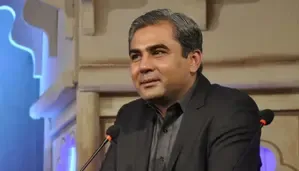
Pakistan Cricket Board (PCB) chairman Mohsin Naqvi has issued a firm warning to the country's cricketers: those who fail to participate in domestic events — particularly first-class four-day matches — will not receive central contracts under the board's newly unveiled payment framework. The announcement, reported on Monday, 15 June, signals a structural overhaul of how Pakistan rewards its players at the elite level.
A World-First Contract Structure
The PCB's new central contract model for 2026 scraps the traditional A, B, C, D category system in favour of five format-based tracks, which the board has described as a 'world-first' structure in professional cricket. The tracks are designed to reflect the specific formats a player competes in, rather than a blanket seniority-based tier.
Track AB covers players who feature in both Tests and ODIs, while Track A is reserved for dedicated Test cricketers. Track BC caters to white-ball specialists competing in ODIs and T20Is, and Track C is designated for T20I and franchise specialists. Players in development at the High Performance academy will receive a Track D contract.
Domestic Cricket Made Non-Negotiable
'To lift our standards, we want all the top players to compete in domestic cricket, and those who do not feature in first-class events will not get the central contracts,' Naqvi said, according to reports. The directive responds directly to calls from former Pakistan cricketers who have urged the PCB to mandate domestic participation — especially in red-ball cricket — to better prepare players for international Test challenges.
Aqib Javed, the PCB's Director of High Performance, added that Test-only players would receive added incentives and be permitted to play overseas first-class cricket to bolster red-ball development. 'The new framework aims to protect Test cricket and bring more transparency and fairness to contract decisions,' Javed said.
Data-Driven Pay, Backed by Hesson
Pakistan's white-ball head coach Mike Hesson has endorsed the revised formula, stressing that impactful on-field performances will now carry greater financial weight. 'This is a data-driven formula, and it will give players with impactful performances their rightful value,' Hesson said. The shift represents a departure from contracts awarded primarily on reputation or seniority.
The Crisis That Forced the Change
The overhaul comes against a backdrop of sustained underperformance. Pakistan finished ninth — last — in the third cycle of the World Test Championship (WTC) and currently sits eighth in the fourth cycle, following a 2-0 defeat to Bangladesh — a result that was widely seen as a historic low point. A similar 2-0 loss to Bangladesh in 2024 had already raised alarms.
Pakistan's record in ICC knockout events has been equally troubling: the team was eliminated in the first round of the T20I World Cup 2024, the ODI World Cup 2023, and the Champions Trophy 2025. The side also failed to advance to the semi-finals of the T20I World Cup this year. The new contract framework is, in part, a structural response to this sustained decline.
What Comes Next
The PCB's new model will be closely watched by players, franchise teams, and cricket administrators across the subcontinent. If the domestic-participation mandate is enforced rigorously, it could reshape squad dynamics ahead of Pakistan's upcoming international calendar — and test whether financial incentives alone can reverse a multi-year slide in standards.
Point of View
Not before, Pakistan's historic ninth-place finish in the WTC and three successive first-round ICC exits. The 'world-first' label on the five-track model is a marketing flourish; the harder question is enforcement. Pakistan has announced structural cricket reforms before, only to see them quietly shelved under player or franchise pressure. The real test of Naqvi's warning will come the first time a high-profile name skips a Quaid-e-Azam Trophy match — and whether the PCB follows through on exclusion.
NationPress
15 Sept 2026
Frequently Asked Questions
What is the PCB's new central contract model for 2026?
The PCB has replaced its traditional A, B, C, D contract tiers with a five-track, format-based framework — Tracks AB, A, BC, C, and D — designed to reward players based on the specific formats they compete in. The board has called it a 'world-first' structure in professional cricket.
Why is the PCB making domestic cricket mandatory for central contracts?
Pakistan's sustained poor performances — including finishing last in the WTC third cycle and exiting three consecutive ICC events in the first round — prompted former players and administrators to push for mandatory domestic participation, particularly in first-class red-ball cricket, to rebuild Test standards.
Who will be affected by the PCB's new domestic cricket rule?
All Pakistan cricketers seeking central contracts will be affected. Those who do not feature in first-class domestic events will be ineligible for contracts under the new framework, regardless of their international profile.
What did Mike Hesson say about the new contract formula?
Pakistan white-ball head coach Mike Hesson endorsed the model, describing it as 'data-driven' and saying it would give players with impactful performances 'their rightful value' — a shift away from contracts based on seniority or reputation.
How has Pakistan performed in recent ICC events?
Pakistan crashed out in the first round of the T20I World Cup 2024, ODI World Cup 2023, and Champions Trophy 2025. The team also failed to reach the semi-finals of the T20I World Cup this year and suffered back-to-back 2-0 Test series defeats to Bangladesh.