PCB's new fitness regime targets domestic cricket, senior stars not spared

Synopsis
Pakistan's new PCB sports medicine chief has introduced a two-tier fitness testing system that even senior stars like Rizwan, Fakhar Zaman, and Naseem Shah couldn't escape — a direct response to players faking injuries to chase franchise paycheques worth three times their domestic match fees.
Key Takeaways
PCB sports medicine director Dr Javed Mughal has launched a comprehensive fitness policy across Pakistan's domestic cricket structure.
The policy was triggered by players submitting medical certificates to skip domestic matches and play higher-paying franchise cricket, reportedly earning three times the domestic match fee.
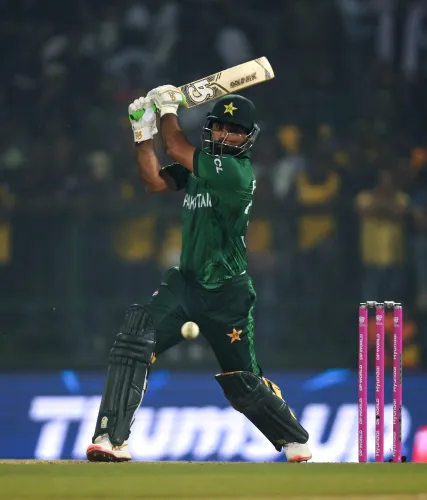
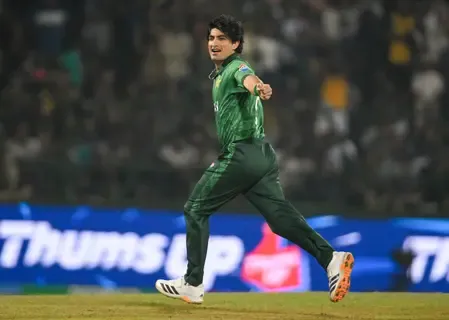
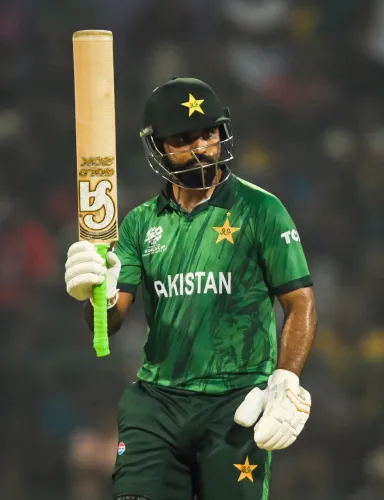
Senior players Mohammad Rizwan , Saud Shakeel , Fakhar Zaman , and Naseem Shah were all required to complete the full fitness regime.
Rizwan was reportedly on the verge of being dropped from the West Indies tour before completing his rehabilitation.
Tier 1 covers first-class and departmental teams with 11 tests ; Tier 2 covers age-group and district sides with 8 tests .
All players must repeat the tests every six months , with independent monitoring to prevent coaches from clearing favoured players.
The Pakistan Cricket Board (PCB) has rolled out a sweeping new fitness policy across its domestic cricket structure, with the board's recently appointed sports medicine director, Dr Javed Mughal, spearheading a two-tier testing framework designed to bring players in line with international standards. The move, reported on Tuesday, 28 July, follows mounting concern over players skipping domestic fixtures by submitting medical certificates in order to prioritise higher-paying franchise tournaments.
Why the Crackdown Was Needed
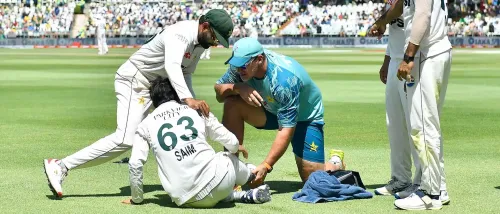
According to reports, a growing number of Pakistan cricketers had been submitting medical certificates to avoid domestic matches, preserving fitness for franchise cricket that reportedly pays three times the amount offered for home fixtures. The trend had become a structural problem for the national side, with Pakistan consistently falling short of international fitness benchmarks and losing players to avoidable physical breakdowns.
This is not an isolated concern — cricket boards across South Asia have wrestled with the franchise-versus-domestic loyalty question since the explosion of T20 leagues globally. What distinguishes the PCB's response is the institutional scale of the intervention.
Senior Players Put Through the Grind
Notably, the new regime has not exempted established names. According to sources cited in reports, senior players including Mohammad Rizwan, Saud Shakeel, Fakhar Zaman, and Naseem Shah were all required to complete the full fitness programme. Rizwan was reportedly on the verge of being dropped from Pakistan's tour of the West Indies before completing his rehabilitation and earning his selection.
The willingness to apply the same standards to senior internationals signals that Dr Mughal's mandate carries genuine institutional backing — a departure from the selective enforcement that has historically undermined similar attempts at reform.
How the Two-Tier Testing System Works
The framework is structured into two tiers. Tier 1 covers 20 regional, eight departmental first-class sides, and more than 25 Grade-II departmental teams. Players in this tier must complete 11 different tests offering 17 scoring opportunities. A player may accumulate up to 7 red scores and still pass; those scoring 8 or more red scores are considered to have failed and are permitted one re-test.
Tier 2 applies to senior district, Under-19 district, Under-15, and Under-17 regional teams. These players sit 8 tests with up to 12 scoring opportunities. A tally of 6 or more red scores constitutes a fail at this level.
All players across both tiers are required to repeat the tests every six months. Crucially, coaches will administer tests under independent monitoring to prevent favouritism from influencing results — a safeguard that addresses one of the most common failure points of previous fitness drives.
What Happens Next
The PCB's two-tier system is described by sources as 'simple, reliable, robust and repeatable', designed to mirror the demands of international cricket while remaining scalable across Pakistan's sprawling domestic structure. Whether the policy holds through political changes at the board — a recurring risk in Pakistan cricket administration — will determine its long-term impact. The next six-month re-testing cycle will be the first real measure of compliance and enforcement.
Point of View
But its real test is institutional durability. Pakistan cricket has seen reform initiatives collapse under administrative churn before — and the franchise-versus-domestic tension is structural, not disciplinary. Until domestic match fees become genuinely competitive, players will keep finding ways around the rules. Dr Mughal's two-tier system is technically sound, but the six-month re-test cycle and independent monitoring are only as strong as the leadership that backs them. If the next PCB chairman inherits a different set of priorities, this framework could quietly unravel the way its predecessors did.
NationPress
26 Oct 2026
Frequently Asked Questions
What is the new PCB fitness policy?
The Pakistan Cricket Board has introduced a two-tier fitness testing system across all domestic cricket, covering regional, departmental, and age-group teams. It was implemented by newly appointed sports medicine director Dr Javed Mughal and requires players to pass standardised fitness tests every six months.
Why did the PCB introduce this fitness regime?
The policy was introduced after multiple players reportedly submitted medical certificates to avoid domestic fixtures, prioritising franchise tournaments that pay approximately three times the domestic match fee. The PCB identified this as a systemic problem affecting squad depth and fitness standards.
Was Mohammad Rizwan affected by the new fitness rules?
Yes. According to reports, Mohammad Rizwan was on the verge of being dropped from Pakistan's tour of the West Indies until he completed the mandatory rehabilitation programme under the new regime. Senior players including Saud Shakeel, Fakhar Zaman, and Naseem Shah were also required to complete the full fitness tests.
How does the two-tier fitness testing system work?
Tier 1 applies to first-class and departmental teams, requiring 11 tests with 17 scoring opportunities; players with 8 or more red scores fail and get one re-test. Tier 2 covers age-group and district sides with 8 tests and 12 scoring opportunities; 6 or more red scores is a fail. All players are retested every six months.
Who oversees the fitness tests to ensure fairness?
Tests are conducted by coaches under strict independent monitoring, specifically to prevent coaches from clearing favoured players — a safeguard designed to address a common loophole in previous fitness enforcement efforts.