Shivraj Singh Chouhan Meets Bihar CM, Discusses Farm & Rural Policy
Synopsis
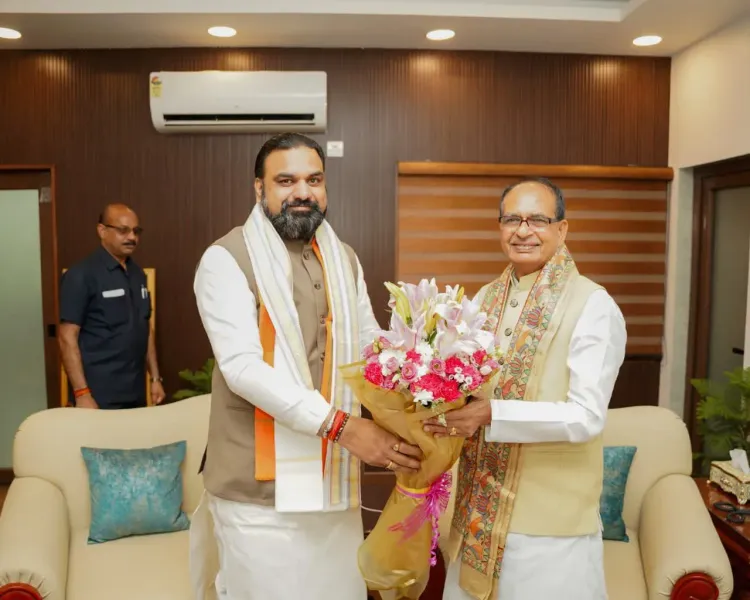
Union Agriculture Minister Shivraj Singh Chouhan met Bihar's Chief Minister at his New Delhi residence on 29 May 2026, holding discussions on agriculture and rural development in a key Centre-state coordination exercise.
Key Takeaways
Union Agriculture Minister Shivraj Singh Chouhan met the Chief Minister of Bihar at his New Delhi residence on 29 May 2026 .
The two leaders discussed 'various subjects related to agriculture and rural development,' according to Chouhan's post on X.
Bihar is a major agrarian state and a significant beneficiary of central schemes including PM-KISAN and MGNREGA .
The meeting is part of a routine but important pattern of Centre-state coordination on scheme implementation and rural policy.
Chouhan's background as a four-term Chief Minister of Madhya Pradesh informs his hands-on approach to state-level consultations.
Analysts will watch for follow-up actions including Bihar's agriculture budget allocations and rollout of any new central guidelines discussed.
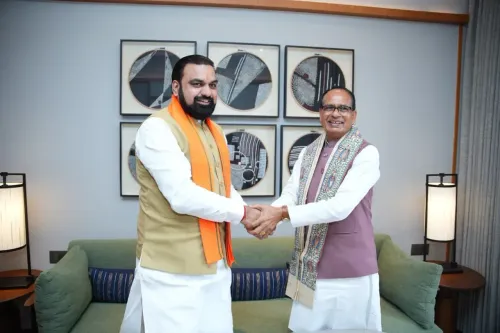
Union Agriculture Minister Shivraj Singh Chouhan met the Chief Minister of Bihar at his New Delhi residence on Friday, 29 May 2026, for a wide-ranging discussion on agriculture and rural development. The meeting, described by Chouhan as a warm and meaningful exchange, signals continued Centre-state coordination on key welfare programmes.
Context
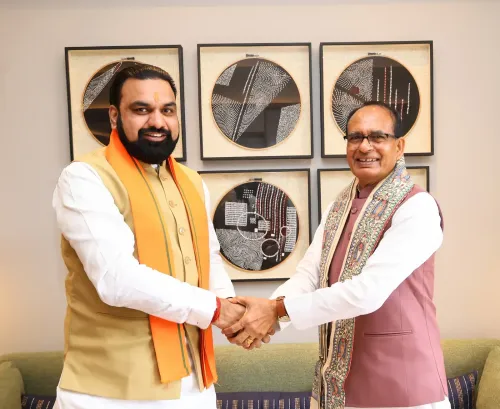
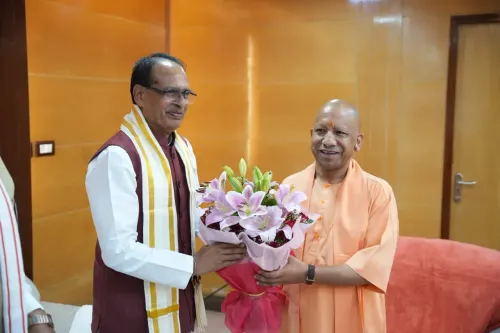
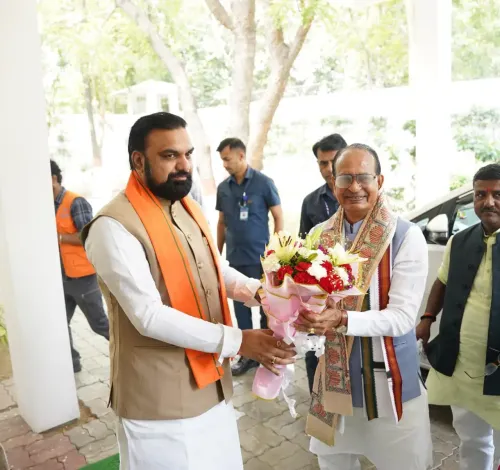
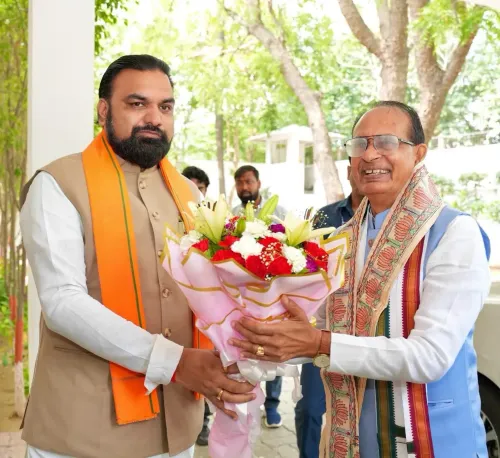
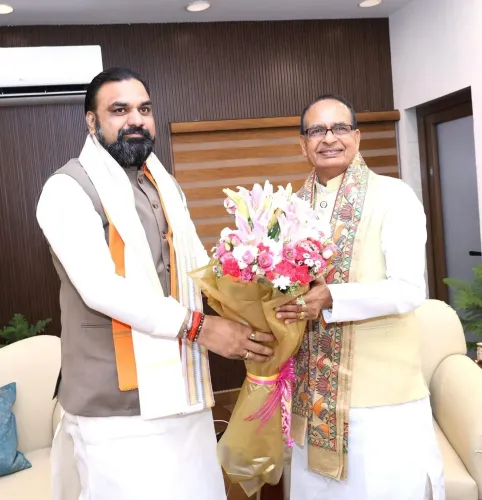
Chouhan shared the meeting on X, writing: 'Aaj Delhi sthit niwas par Bihar ke mananiya Mukhyamantri ji se aatmiy bhet hui' ('Today, I had a warm meeting with the honourable Chief Minister of Bihar at my Delhi residence'). He added that the two leaders held 'meaningful discussions on various subjects related to agriculture and rural development.' The post was accompanied by photographs from the meeting.
Such direct ministerial engagements between the Centre and states are a routine but important feature of India's federal governance architecture, particularly for sectors like agriculture and rural employment where policy is set centrally but executed at the state level.
Policy Backdrop
Bihar is one of India's most agrarian states, with a large share of its population dependent on farming and rural livelihoods. The Ministry of Agriculture and Farmers Welfare oversees flagship schemes including PM-KISAN, the direct benefit transfer programme launched in 2019 that provides annual income support to eligible farmer families, and requires active data-sharing and implementation cooperation from state governments.
On the rural development side, programmes such as MGNREGA — expanded nationally in 2008 — are jointly managed by the Centre and states. Bihar has historically been a significant beneficiary of both schemes, making alignment between the Union minister and the state's chief executive particularly consequential for on-ground delivery.
Chouhan, a four-term former Chief Minister of Madhya Pradesh, brings extensive state-level administrative experience to his Union portfolio, and has been known to prioritise direct consultations with state leaderships to troubleshoot implementation gaps.
Stakeholders and Impact
The primary stakeholders of any outcomes from this meeting are Bihar's farming households and rural communities, who depend on the timely and accurate rollout of central schemes for income support, irrigation access, and rural employment. Any decisions on procurement targets, rural infrastructure funding, or scheme beneficiary data would directly affect millions of households.
The meeting also reflects the broader pattern of the Ministry of Agriculture maintaining active bilateral channels with state governments, particularly ahead of the kharif and rabi crop cycles when coordination on minimum support prices and procurement logistics becomes critical.
What's Next
Observers will watch for concrete follow-through at the state level — including Bihar's agriculture budget allocations in the next fiscal cycle and the rollout of any updated central guidelines that may have been discussed. The meeting could also foreshadow coordinated announcements on rural infrastructure or beneficiary expansion under central schemes ahead of the next agricultural season.
Point of View
Such bilateral engagements are less ceremonial than they appear — they are often where implementation bottlenecks get surfaced and resolved. For Chouhan, a former state chief minister himself, these consultations carry added credibility: he understands the ground-level pressures states face. The timing, ahead of a new agricultural season, suggests the discussion may have had operational urgency beyond routine diplomacy.
NationPress
12 Oct 2026
Frequently Asked Questions
Why did Shivraj Singh Chouhan meet the Bihar Chief Minister?
Chouhan met Bihar's Chief Minister at his New Delhi residence on 29 May 2026 to hold discussions on agriculture and rural development, reflecting routine Centre-state coordination on scheme implementation.
What schemes were likely discussed at the Shivraj-Bihar CM meeting?
While no specific schemes were named in the post, the meeting's stated focus on agriculture and rural development points to programmes like PM-KISAN, which provides direct income support to farmers, and MGNREGA, a key rural employment scheme where Bihar is a major beneficiary.
Who is Shivraj Singh Chouhan?
Shivraj Singh Chouhan is the Union Minister of Agriculture and Farmers Welfare and Rural Development, a senior BJP leader, and a former four-term Chief Minister of Madhya Pradesh.
What is Bihar's significance in Indian agriculture?
Bihar is one of India's most populous and agrarian states, with a large share of its population dependent on farming and rural livelihoods, making it a critical partner for the central government in implementing agricultural welfare schemes.
What happens after Centre-state agriculture meetings?
Such meetings typically lead to follow-up actions at the state level, including revised budget allocations, updated beneficiary data for central schemes, and coordination on procurement and rural infrastructure for the upcoming crop season.