CM Yogi Contrasts Medical Colleges With Past Mafia Rule in UP
Synopsis
Chief Minister Yogi Adityanath on 7 July 2026 contrasted previous governments' alleged nurturing of district-level mafia networks with his administration's drive to establish one government medical college in every district of Uttar Pradesh.
Key Takeaways
CM Yogi Adityanath posted on 7 July 2026 contrasting previous governments' alleged mafia patronage with his government's medical college expansion.
The post directly targets the Samajwadi Party , which governed Uttar Pradesh from 2012 to 2017 and faced allegations of tolerating district-level criminal networks.
The Yogi Adityanath government has pursued a stated goal of one government medical college per district in Uttar Pradesh since 2017 .
The expansion targets district residents and medical aspirants in smaller cities and rural areas who lacked local access to medical education.
Anti-mafia operations and health infrastructure expansion have been twin pillars of the BJP 's governance narrative in Uttar Pradesh since 2017 .
The statement signals the governance-versus-misgovernance contrast will remain central to BJP political messaging ahead of future elections.
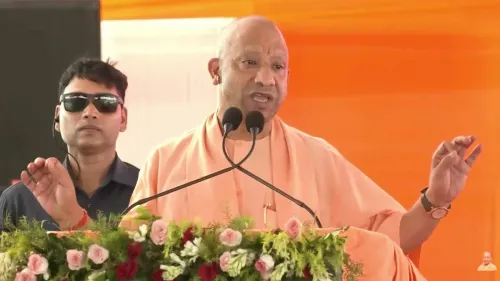
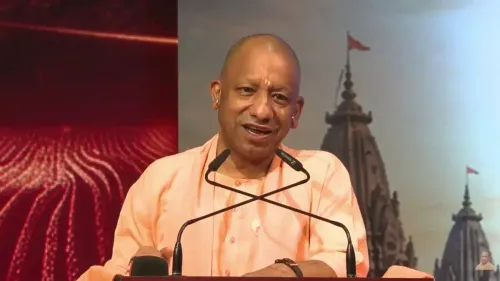
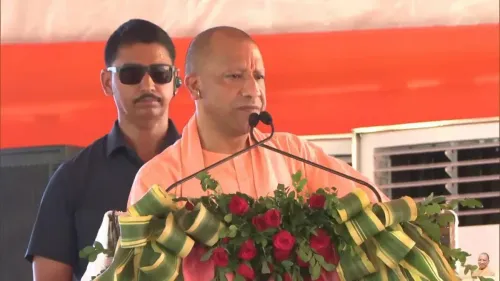
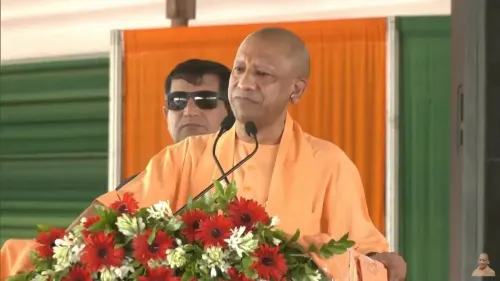
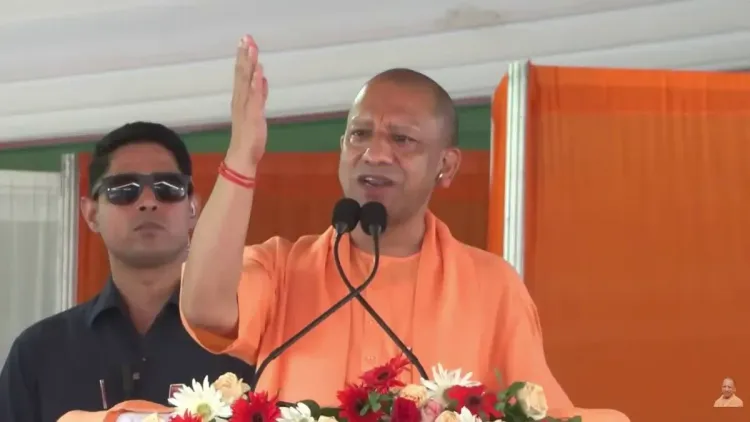
Uttar Pradesh Chief Minister Yogi Adityanath on Tuesday, 7 July 2026, drew a pointed contrast between the current BJP government's health infrastructure drive and what he described as the previous administrations' tolerance of district-level criminal networks, posting the remark on his official X account to a wide audience.
In the post, CM Yogi stated — 'Pichhli sarkaarein har janpad mein ek mafia palti theen aur hum har zile mein ek medical college de rahe hain' — translated as: 'Previous governments used to nurture one mafia in every district, and we are giving one medical college to every district.' The remark is a direct rhetorical challenge to opposition parties, particularly the Samajwadi Party, which governed Uttar Pradesh from 2012 to 2017.
Context
The statement arrives amid a sustained governance narrative that CM Yogi Adityanath and the BJP have cultivated since winning the 2017 Uttar Pradesh assembly elections. The administration launched statewide anti-mafia operations targeting illegal mining, land grabbing, and organised crime networks — operations that became a defining feature of the government's public identity. Critics of the previous Samajwadi Party government had long alleged that district-level mafia groups operated with political cover, particularly in sectors such as sand and mining.
The post positions law-and-order reform and health investment as two sides of the same governance coin — a message that resonates strongly in a state with a history of both entrenched criminal networks and acute shortages of public medical infrastructure.
Policy Backdrop
From 2017 onward, the Uttar Pradesh government accelerated the establishment of new government medical colleges with the stated goal of ensuring at least one college per district across the state. Uttar Pradesh, as India's most populous state, has long faced a severe shortage of medical seats relative to its population, making district-level medical colleges a high-visibility policy priority.
The expansion of medical education infrastructure has been a recurring theme in state budget announcements, with new institutions inaugurated across multiple districts in successive years. This drive has run in parallel with the anti-organised crime campaign, allowing the administration to present a dual development-and-security template to voters.
Stakeholders and Impact
The most direct beneficiaries of the medical college expansion are district residents in Uttar Pradesh — particularly those in smaller cities and rural areas — who previously had to travel to larger centres such as Lucknow, Kanpur, or Varanasi for tertiary healthcare or medical education. Medical aspirants from economically weaker sections stand to gain from increased seat availability closer to home.
The political target of the statement is equally clear: the Samajwadi Party and other opposition formations that held power before 2017. By invoking 'mafia' in the same breath as 'medical college', the Chief Minister frames the electoral choice as one between organised crime and organised development — a binary that the BJP has consistently deployed ahead of state and national elections.
What's Next
Attention will now turn to the status of pending medical college buildings and seat allocations in the next state health budget, as well as any further district-level inaugurations that the administration may announce. The Samajwadi Party and opposition voices are likely to respond by questioning the operational status and quality of newly established institutions.
With Uttar Pradesh remaining the most electorally significant state in India, such statements from CM Yogi Adityanath signal that the governance-versus-misgovernance contrast will remain central to the BJP's political communication well into the next electoral cycle.
Point of View
He keeps the Samajwadi Party on the defensive without naming them, while the 'one medical college per district' promise anchors the claim in tangible infrastructure. This dual-track narrative — security plus development — has been the BJP's most durable electoral asset in Uttar Pradesh since 2017. The timing and platform suggest the party is already warming up its core governance argument for the next electoral contest.
NationPress
6 Oct 2026
Frequently Asked Questions
What did CM Yogi Adityanath say about mafia and medical colleges?
CM Yogi Adityanath stated that previous governments nurtured one mafia in every district of Uttar Pradesh, whereas his government is providing one medical college to every district — drawing a sharp contrast between prior alleged misgovernance and current development.
How many medical colleges is the Yogi government building in Uttar Pradesh?
The Yogi Adityanath government has pursued a goal of establishing at least one government medical college in every district of Uttar Pradesh since 2017, though the exact number of fully operational colleges as of 2026 has not been independently confirmed.
Which party is CM Yogi targeting with the 'mafia' remark?
The remark is widely understood to target the Samajwadi Party, which governed Uttar Pradesh from 2012 to 2017 and faced opposition allegations of tolerating district-level criminal networks in sectors such as sand mining.
What is the BJP's governance record in Uttar Pradesh since 2017?
Since 2017, the BJP government under CM Yogi Adityanath has conducted statewide anti-mafia operations targeting illegal mining and land grabbing, while simultaneously expanding government medical colleges and other public infrastructure across the state.
Why is Uttar Pradesh medical college expansion significant?
Uttar Pradesh is India's most populous state and has historically faced a severe shortage of medical seats and healthcare facilities, making district-level medical colleges a high-impact policy priority for both healthcare access and medical education.