CM Yogi Reviews UP Health & Medical Education Depts in Lucknow
Synopsis
Chief Minister Yogi Adityanath on 26 May 2026 reviewed Uttar Pradesh's Medical and Health and Medical Education departments in Lucknow, directing continuous improvement in hospital services, technology-driven upgrades to medical colleges and nursing institutes, and integration of research-based healthcare across state institutions.
Key Takeaways
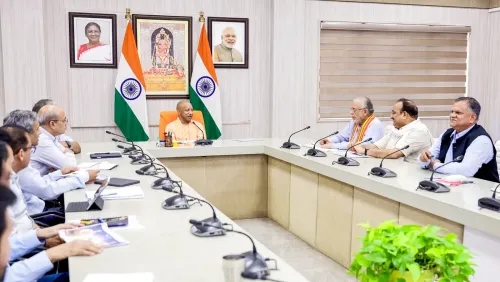
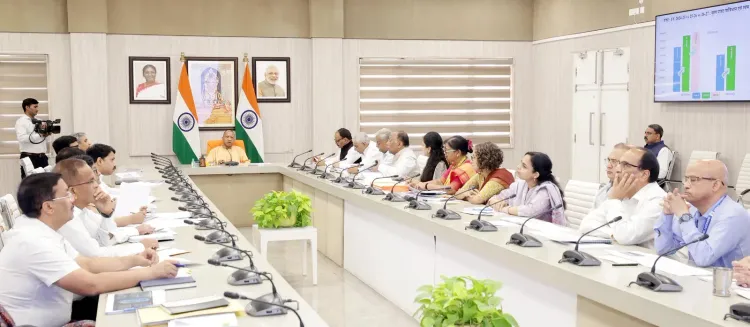
CM Yogi Adityanath chaired a review of the Medical and Health Department and Medical Education Department in Lucknow on 26 May 2026 .
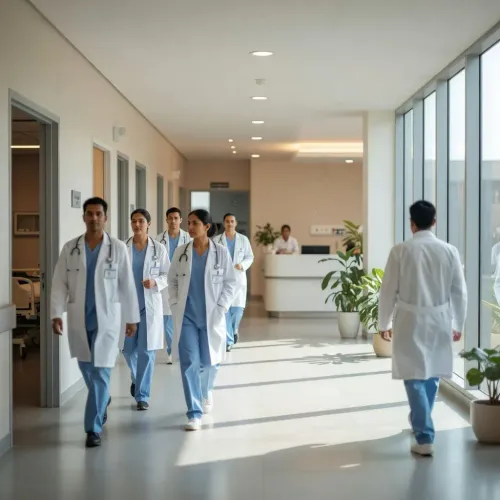
He directed that quality of treatment, diagnostics, medicines and emergency services in government hospitals must continuously improve.
Medical colleges, nursing institutes and super-specialty services are to be strengthened with modern technology, better resources and effective management.
The Chief Minister called for medical institutions to be linked to research-based health services.
The review builds on infrastructure expansion between 2017 and 2022 , including new government medical colleges and Ayushman Bharat rollout from 2018 .
Follow-up action plans and state budget allocations for health will determine on-ground implementation of Tuesday's directives.
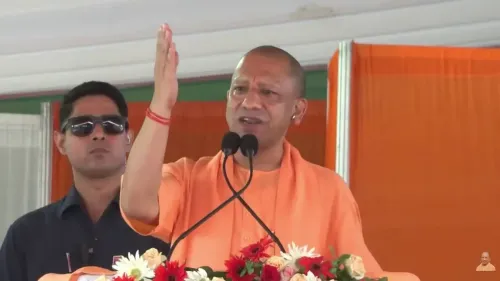
The Chief Minister's Office of Uttar Pradesh announced on Tuesday, 26 May 2026, that Chief Minister Yogi Adityanath chaired a comprehensive review of the state's Medical and Health Department and Medical Education Department in Lucknow, directing officials to continuously improve the quality of treatment, diagnostics, medicines and emergency services in government hospitals.
Context
At the meeting, CM Yogi Adityanath stated — 'sarkari aspatalon mein ilaj, janch, davaon aur apat sevaon ki gunvatta lagatar behtar honi chahiye' — that 'the quality of treatment, investigations, medicines and emergency services in government hospitals must improve continuously.' He also directed that medical colleges, nursing institutes and super-specialty services be strengthened through modern technology, better resources and effective management.
The Chief Minister further stressed that medical institutions must be linked to research-based health services, signalling an intent to move public healthcare in Uttar Pradesh beyond routine curative care toward evidence-driven practice.
Policy Backdrop
The review comes against a backdrop of sustained expansion of public health infrastructure in Uttar Pradesh. Between 2017 and 2022, the state government established multiple new government medical colleges to increase MBBS and postgraduate seats, addressing a long-standing shortage of trained medical professionals in the state.
The implementation of Ayushman Bharat Pradhan Mantri Jan Arogya Yojana from 2018 onward extended health coverage to low-income families across Uttar Pradesh, placing additional demand on government hospital networks to deliver quality secondary and tertiary care. The current review reflects an effort to ensure that infrastructure built over the past decade is matched by commensurate service quality.
Stakeholders and Impact
The directives from Tuesday's review directly affect millions of patients who depend on government hospitals across Uttar Pradesh — one of India's most populous states — for affordable treatment. Improved diagnostics and emergency services would have the most immediate impact on patients in smaller districts who lack access to private tertiary care.
Medical college students, nursing trainees and frontline healthcare staff also stand to benefit from upgraded resources and a stronger research orientation. Linking nursing institutes and super-specialty centres to research frameworks could improve both training quality and clinical outcomes over time.
What's Next
Attention will now turn to follow-up administrative orders from the Medical and Health Department and the Medical Education Department, which are expected to translate the Chief Minister's directives into specific action plans covering equipment procurement, staffing and research tie-ups with medical colleges.
State budget allocations for health in the coming fiscal year will be a key indicator of whether the emphasis on technology upgrades and research-based services translates into measurable on-ground change. Analysts will also watch for formal collaborations between government medical colleges and research bodies as a follow-through on the research-linkage directive.
Point of View
Which has been a gap in UP's public health narrative. Linking the directive to medical colleges and nursing institutes also suggests a longer-term human-resource strategy, not just a hospital-quality push. Whether the directives produce structural change will depend on budget follow-through and the pace of administrative orders in the weeks ahead.
NationPress
20 Sept 2026
Frequently Asked Questions
What did CM Yogi Adityanath say at the UP health department review on 26 May 2026?
CM Yogi Adityanath directed that quality of treatment, diagnostics, medicines and emergency services in government hospitals must continuously improve, and that medical colleges, nursing institutes and super-specialty services be strengthened through modern technology, better resources and effective management.
Where was the UP health department review meeting held?
The review meeting was held in Lucknow , the capital of Uttar Pradesh , on 26 May 2026 .
What is the UP Medical Education Department responsible for?
The Uttar Pradesh Medical Education Department oversees government medical colleges, nursing institutes and super-specialty services across the state, including the expansion of MBBS and postgraduate seats.
How does Ayushman Bharat relate to Uttar Pradesh government hospitals?
Ayushman Bharat Pradhan Mantri Jan Arogya Yojana was implemented in Uttar Pradesh from 2018 , extending health coverage to low-income families and increasing demand on government hospital networks to deliver quality care.
What is the significance of linking UP medical colleges to research-based health services?
Linking medical institutions to research-based healthcare is intended to move Uttar Pradesh 's public health system beyond routine curative care, improving both clinical outcomes and the quality of medical training in the state.