Yogi Adityanath reviews UP health dept, pushes tech-driven medical services
Synopsis
Uttar Pradesh's public health network — 27,668 sub-centres, 96.75 lakh free Ayushman treatments, MBBS seats nearly doubled in a decade — got a sharp directive from CM Yogi Adityanath: link it all to technology, clear dues on time, and stop stocking near-expired medicines. The review reveals a system expanding fast but still grappling with quality and delivery gaps.
Key Takeaways
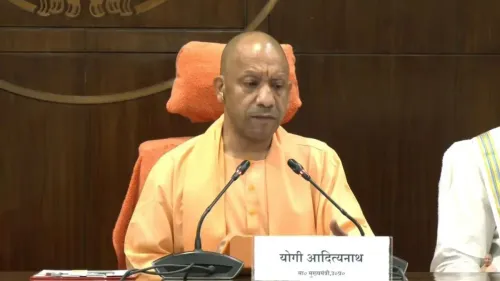
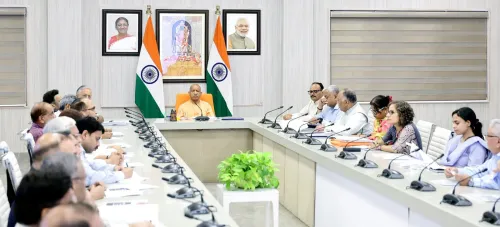
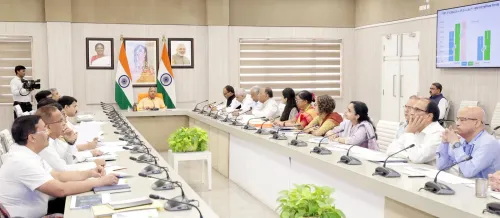
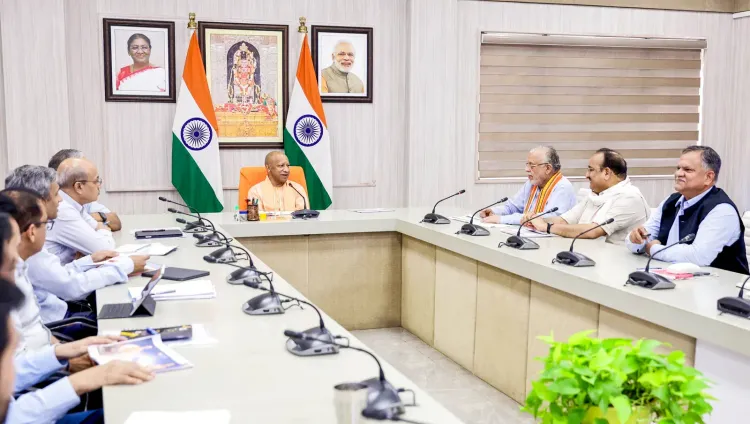
CM Yogi Adityanath reviewed UP's health and medical education departments on 26 May 2025 in Lucknow .
UP operates 108 district hospitals , 976 Community Health Centres , and 27,668 health sub-centres across the state.
Government hospitals delivered 26.41 crore OPD services and 24.33 crore pathology tests in 2025-26 .
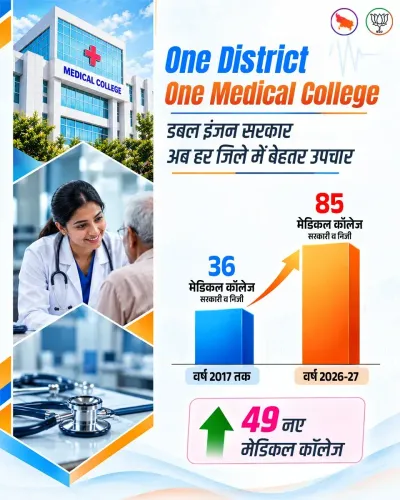
MBBS seats have grown from 5,390 to 12,800 and PG seats from 1,344 to 5,067 over the last 10 years .
More than 96.75 lakh free treatments have been provided under Ayushman Bharat through 6,480 empanelled hospitals in UP.
CM directed that medicines with less than 3 months' expiry be removed from hospitals and honorarium of contractual MBBS doctors be increased.
Uttar Pradesh Chief Minister Yogi Adityanath on Tuesday, 26 May chaired a comprehensive review of the state's health and medical education departments in Lucknow, directing officials to fast-track service delivery and integrate modern technology across the healthcare network. The review underscored the government's push to make quality healthcare accessible to the state's vast population.
Key Directives from the Chief Minister
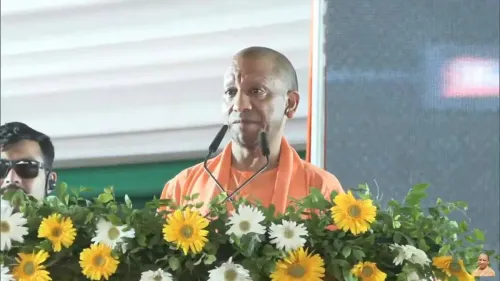
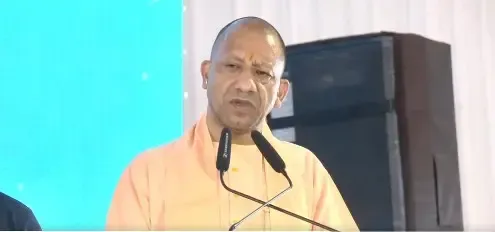
Adityanath called for strengthening medical colleges, nursing institutions, and super-speciality services through modern technology, improved human resources, and effective management. 'The objective of medical education is not merely to increase the number of institutions, but to provide the state with trained doctors, specialists, and quality healthcare workers. Modern equipment, expert faculty, and research activities should be promoted in medical institutions,' he told officials.
He also directed that work on under-construction medical colleges and health facilities be expedited, stating that 'all projects should be completed within the stipulated timeframe so that the public can soon benefit from better healthcare facilities.'
Scale of UP's Health Infrastructure
Officials informed the meeting that the state currently operates 108 district hospitals, 106 specialised hospitals, 976 Community Health Centres, 3,757 Primary Health Centres, and 27,668 health sub-centres. In 2025-26, government hospitals delivered 26.41 crore OPD services and 1.23 crore IPD services, while conducting 24.33 crore pathology tests.
On the medical education front, postgraduate seats have grown from 1,344 to 5,067 over the last 10 years, while MBBS seats rose from 5,390 to 12,800. Super-speciality seats recorded a near 165 percent increase in the same period.
Ayushman Bharat and Free Treatment
The Chief Minister highlighted that the Ayushman Bharat scheme is emerging as the most significant financial safety net for poor and vulnerable families in the state. As of the review, 6,480 hospitals are enrolled under the scheme in Uttar Pradesh, and more than 96.75 lakh free treatments have been provided so far. Adityanath stressed the importance of timely payments to empanelled hospitals to sustain service quality.
Medicine Quality, TB Eradication, and Contractual Doctors
On medicine quality, the Chief Minister issued strict instructions that medicines with less than 3 months' expiry must not be stocked in hospitals and should be replaced with fresh supply immediately. He also directed that payments to ambulance operators be cleared on time.
Adityanath called for converting the TB eradication campaign into a mass movement, directing that schools, colleges, and voluntary organisations be actively involved. Notably, he also instructed officials to raise the honorarium of contractual MBBS doctors to attract better talent into government health services — a move that addresses a longstanding retention challenge in rural and semi-urban facilities.
What Comes Next
The directives signal a shift from infrastructure expansion alone toward accountability in delivery and outcomes. With Uttar Pradesh operating one of India's largest public health networks, the emphasis on technology integration, research linkages, and timely financial settlements points to a governance recalibration ahead of the state's next health policy cycle.
Point of View
96.75 lakh Ayushman treatments, 27,668 sub-centres — yet the Chief Minister's tone was corrective, not celebratory. Directives on expired medicines, delayed ambulance payments, and contractual doctor pay point to systemic friction beneath the headline growth. Uttar Pradesh has expanded its health infrastructure faster than most Indian states, but expansion without quality assurance risks becoming a liability. The TB mass-movement directive is the most ambitious ask: converting a clinical programme into community behaviour change requires institutional trust that government health facilities are still building.
NationPress
12 Oct 2026
Frequently Asked Questions
What did CM Yogi Adityanath direct in the UP health department review?
Chief Minister Yogi Adityanath directed officials to integrate modern technology into health services, expedite under-construction medical colleges, ensure timely payments to hospitals and ambulance operators, and replace near-expired medicines. He also called for raising honorariums for contractual MBBS doctors and converting the TB eradication drive into a mass movement.
How large is Uttar Pradesh's public health network?
As of the review on 26 May, UP operates 108 district hospitals, 106 specialised hospitals, 976 Community Health Centres, 3,757 Primary Health Centres, and 27,668 health sub-centres. In 2025-26, government hospitals provided 26.41 crore OPD services and conducted 24.33 crore pathology tests.
How many free treatments have been given under Ayushman Bharat in UP?
More than 96.75 lakh free treatments have been provided under the Ayushman Bharat scheme in Uttar Pradesh, with 6,480 hospitals currently empanelled under the programme. CM Adityanath stressed the need for timely payments to these hospitals to maintain service quality.
How have medical education seats grown in Uttar Pradesh?
Over the last 10 years, MBBS seats in UP have nearly doubled from 5,390 to 12,800, while postgraduate seats grew from 1,344 to 5,067. Super-speciality seats recorded a near 165 percent increase in the same period.
What are the new directives on medicine quality in UP hospitals?
CM Yogi Adityanath issued strict instructions that medicines with less than 3 months' remaining shelf life must not be kept in hospitals and should be replaced with fresh stock immediately. The directive is aimed at improving patient safety across the state's public health facilities.