CM Yogi Directs UP to Modernise Skill Training for Automation, Technical Textiles
Synopsis
Chief Minister Yogi Adityanath has directed Uttar Pradesh to overhaul its vocational training system, mandating alignment with automation and technical textiles sectors, stronger industry-institution coordination, and technology-driven monitoring of quality and employment outcomes.
Key Takeaways
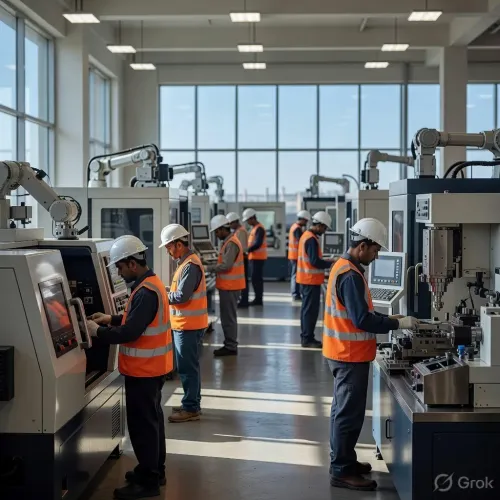
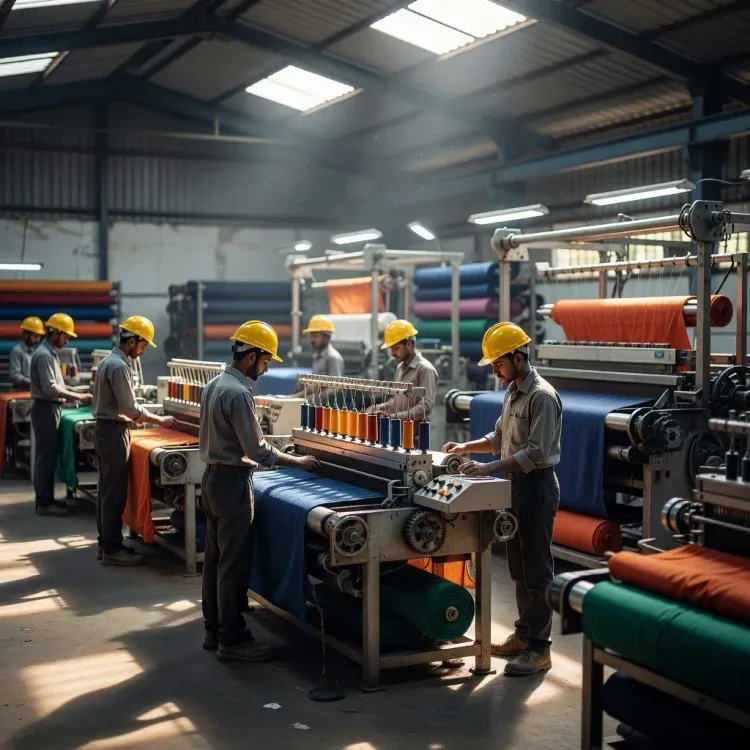
CM Yogi Adityanath directed that UP's training programmes be made time-appropriate for sectors including automation, modern machinery, and technical textiles .
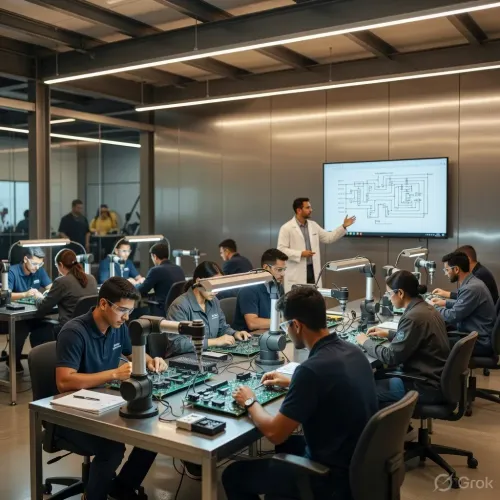
He called for better coordination among industries, training institutions, and government departments to improve training effectiveness.
Technology-based systems are to be promoted to strengthen quality, transparency, monitoring, and employment outcomes .
The directives align with the national Skill India Mission (2015) and the National Technical Textiles Mission (2020) .
Key beneficiaries include youth trainees, textile manufacturers, and MSME units across Uttar Pradesh.
Focus is shifting from enrolment metrics to verifiable placement and productivity results .
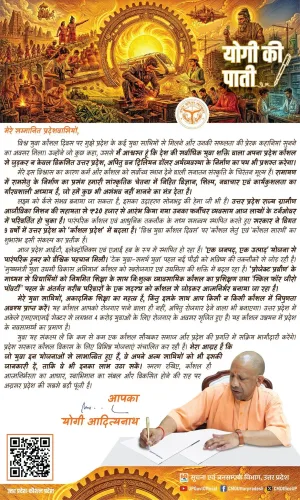
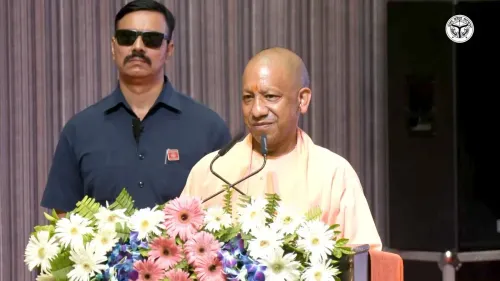
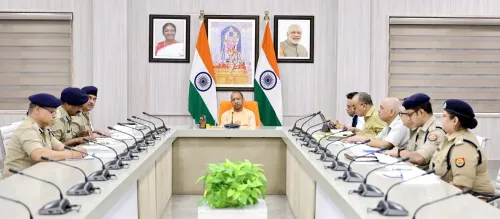
The Chief Minister's Office of Uttar Pradesh, posting on behalf of Chief Minister Yogi Adityanath, on Monday, June 8, 2026, shared directives issued by the Chief Minister calling for a comprehensive overhaul of the state's vocational training system to align with emerging industrial sectors including automation, modern machinery, and technical textiles.
In the post, the Chief Minister's Office quoted CM Yogi Adityanath as saying that training programmes must be made 'time-appropriate' (samayanukool) in view of the expanding role of automation, modern machinery, and new sectors such as technical textiles. He further directed that better coordination be established among industries, training institutions, and various government departments to make the training system more effective, and that technology-based mechanisms be promoted to strengthen quality, transparency, monitoring, and employment outcomes.
Context
The directives come as Uttar Pradesh, India's most populous state, continues to build out its vocational infrastructure to serve a large and young workforce. The Chief Minister's emphasis on 'employment outcomes' signals a shift from input-focused training metrics — such as enrolments and completions — toward measurable placement and productivity results. The instruction to leverage technology for monitoring and transparency reflects a broader administrative push to reduce leakage and improve accountability in publicly funded skilling programmes.Policy Backdrop
The directives align with two major national frameworks. The Skill India Mission, launched in 2015, set the foundation for industry-relevant vocational training across the country, with automation and advanced manufacturing among its focus areas. The National Technical Textiles Mission, introduced in 2020, specifically targets the expansion of domestic capacity and a trained workforce in technical textiles — a sector that includes geotextiles, medical textiles, and industrial fabrics with high value-addition potential. Uttar Pradesh has progressively aligned its state-level skilling architecture with these central schemes, and the latest directives indicate an intent to deepen that integration. The state's textile belt — spanning cities such as Varanasi, Kanpur, and Noida — stands to benefit directly from an upgraded training pipeline that addresses both conventional weaving and high-technology textile applications.Stakeholders and Impact
The primary beneficiaries of the proposed reforms are youth trainees enrolled in Industrial Training Institutes and other state-run skilling centres, who stand to receive more industry-relevant curricula. Textile manufacturers and MSME units across the state are also key stakeholders, as improved coordination between training institutions and industry could reduce the skills mismatch that has long constrained productivity in the sector. By calling for technology-based systems for quality assurance and placement tracking, the Chief Minister is also signalling greater scrutiny of training providers — both public and private — to ensure that public investment in skilling translates into verifiable employment gains. This has implications for how training contracts are awarded and evaluated going forward.What's Next
Attention will now turn to how the relevant state departments — including the Departments of Vocational Education and Skill Development, Industries, and Technical Education — operationalise the Chief Minister's directives. Observers will watch for the issuance of formal coordination guidelines, any revision to training module curricula, and the deployment of technology platforms for real-time monitoring of training quality and placement outcomes. The extent to which Uttar Pradesh can bridge the gap between classroom instruction and shopfloor requirements in automation and technical textiles will be a key indicator of the state's industrial readiness under the Atmanirbhar Bharat and Make in India frameworks.Point of View
The Chief Minister is signalling that UP's industrial ambitions under Make in India require a workforce pipeline that can service not just conventional manufacturing but also emerging high-value sectors. The emphasis on technology for monitoring also carries a governance subtext: it puts training providers on notice that enrolment padding without placement results will face greater scrutiny. Whether the coordination mandate between departments and industry translates into structural change or remains advisory will determine the reform's real impact.
NationPress
25 Oct 2026
Frequently Asked Questions
What did CM Yogi Adityanath say about UP skill training?
CM Yogi Adityanath directed that Uttar Pradesh's vocational training programmes be updated to align with automation, modern machinery, and technical textiles, and that technology-based systems be used to track quality, transparency, and employment outcomes.
What is the National Technical Textiles Mission?
The National Technical Textiles Mission is a central government scheme launched in 2020 to expand research, production, and skilled workforce development in technical textiles such as geotextiles, medical textiles, and industrial fabrics.
How does Skill India Mission relate to UP's training reforms?
The Skill India Mission, launched in 2015, provides the national framework for industry-relevant vocational training that UP's state-level reforms are designed to align with, particularly in automation and advanced manufacturing sectors.
Who benefits from UP's vocational training modernisation?
Youth trainees in state-run skilling centres, textile manufacturers, and MSME units across Uttar Pradesh are the primary beneficiaries, as improved curricula and industry coordination are expected to reduce the skills mismatch in the workforce.
What technology measures did CM Yogi direct for skill training in UP?
CM Yogi directed that technology-based mechanisms be promoted to strengthen quality assurance, transparency, real-time monitoring, and tracking of employment outcomes in the state's vocational training system.