Dr. Jitendra Singh highlights Punjab's organic cotton drive
Synopsis
Union Minister Dr. Jitendra Singh flagged Punjab's Nav-Trinjan drive by Kheti Virasat Mission, which grows chemical-free and naturally coloured organic cotton in the Malwa belt, sharing the story under the Mann Ki Baat banner on October 25, 2026.
Key Takeaways
Kheti Virasat Mission in Punjab is reviving organic and traditional farming through an initiative called Nav-Trinjan in the Malwa region.
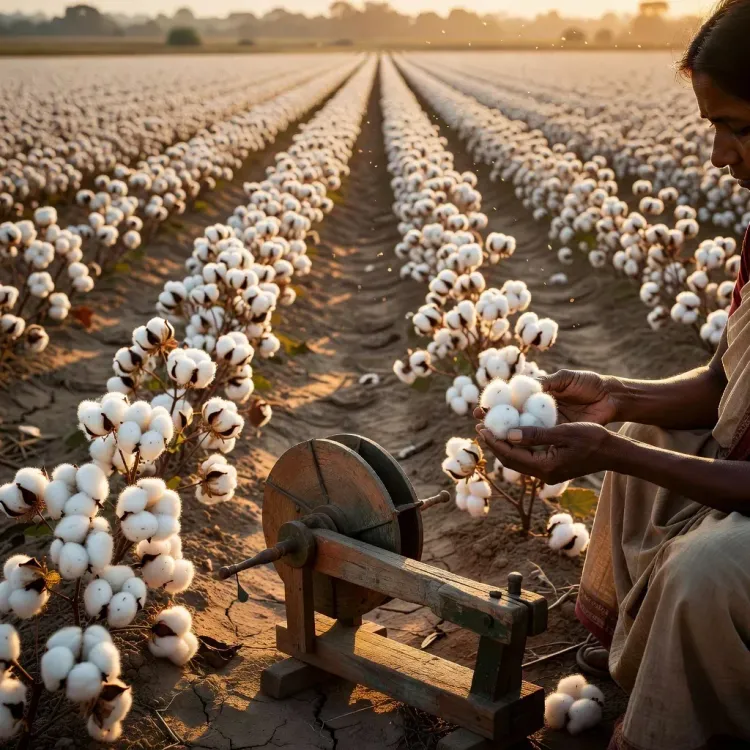
Nav-Trinjan promotes cotton cultivation with zero chemical inputs , addressing decades of pesticide overuse in the belt.
The initiative grows naturally coloured cotton varieties , eliminating the need for synthetic dyes in thread and fabric production.
Jitendra Singh highlighted the effort under #MannKiBaat on October 25, 2026 .
The central government's Paramparagat Krishi Vikas Yojana (PKVY) , launched in 2015 , provides a policy framework supporting such organic cluster farming models.
In Punjab's pesticide-scarred Malwa belt, a quiet agricultural revolution is taking root — one cotton plant at a time. Union Science and Technology Minister Dr. Jitendra Singh on Sunday, October 25, 2026, spotlighted a grassroots initiative reviving chemical-free cotton farming in the region, sharing it in the context of Prime Minister Narendra Modi's monthly radio programme #MannKiBaat.
The mission behind the cotton field
An organisation called 'Kheti Virasat Mission' (Heritage of Farming Mission) in Punjab has been working to breathe new life into organic and traditional farming practices. Zeroing in on the Malwa region — historically one of India's most intensive cotton-growing zones — the group launched an initiative they named 'Nav-Trinjan', a culturally resonant reference to the traditional women's gathering circle in Punjabi village life, now reimagined as a hub for natural farming.
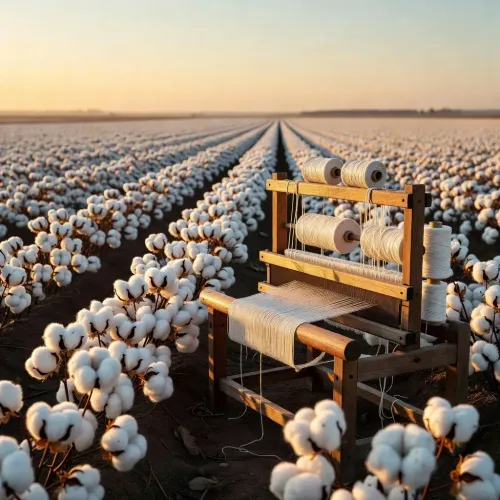
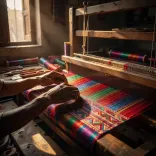
Under Nav-Trinjan, cotton is cultivated entirely without chemical inputs. More strikingly, the initiative promotes varieties of cotton that are naturally coloured — meaning the raw fibre itself carries hues that eliminate the need for synthetic dyes at the spinning and weaving stage. The thread and cloth produced are ready to wear without the chemical-heavy dyeing processes that burden conventional textile supply chains.
Malwa's chemical burden and the organic answer
The Malwa region's story is inseparable from the darker legacy of Punjab's Green Revolution. Decades of heavy pesticide and fertiliser use in cotton cultivation have been linked to serious soil degradation and significant public health concerns in the belt. Against that backdrop, a return to chemical-free agriculture carries weight well beyond crop yields — it speaks to land recovery, farmer health and water-table protection.
Central policy has moved in a similar direction. The Paramparagat Krishi Vikas Yojana (PKVY), launched in 2015, promotes organic farming through farmer clusters and incentivises reduced chemical inputs. Naturally coloured and low-input cotton varieties align directly with that framework, as well as with broader government goals for sustainable textiles and low-carbon agriculture.
A Mann Ki Baat moment for grassroots farming
Dr. Singh's post carries the #MannKiBaat hashtag, connecting Nav-Trinjan's story to Prime Minister Modi's programme that has consistently amplified ground-level agricultural and environmental innovators. For a scheme working outside the glare of big policy announcements, visibility on that platform can translate into wider reach, funding conversations and potential replication in other cotton-growing states.
The natural-dye angle is particularly resonant: as global fashion brands face growing scrutiny over chemical runoff from synthetic dyeing, Indian organic cotton with inherent colour offers a supply-chain solution that connects a Punjabi village field to an international sustainability conversation. One crop, no chemicals — and the cloth is already dressed.
Point of View
Low-input agriculture as proof-of-concept for scaling under frameworks like PKVY. The naturally coloured cotton angle is especially shrewd: it links village-level practice to global sustainable-textiles demand, offering a narrative that plays equally well at home and abroad. Watch for whether Nav-Trinjan surfaces in an actual Mann Ki Baat broadcast, which would signal intent to replicate the model across other cotton-growing states.
NationPress
25 Oct 2026
Frequently Asked Questions
What is the Nav-Trinjan initiative in Punjab?
Nav-Trinjan is an organic cotton farming initiative by Kheti Virasat Mission in Punjab's Malwa region that grows cotton without chemical inputs and promotes naturally coloured cotton varieties to avoid synthetic dyes.
What is Kheti Virasat Mission?
Kheti Virasat Mission is a Punjab-based organisation working to revive organic and traditional farming practices. It promotes chemical-free agriculture and natural farming methods in the state.
Why is natural colour cotton significant?
Naturally coloured cotton carries inherent hues in the raw fibre, eliminating the need for chemical synthetic dyes during textile processing. This reduces industrial pollution and lowers the cost and health risks associated with conventional dyeing.
What is the government's policy on organic farming in India?
The central government launched the Paramparagat Krishi Vikas Yojana (PKVY) in 2015 to encourage organic farming through farmer clusters, reduced chemical inputs and direct certification support for producers.
Why did Dr. Jitendra Singh post about organic cotton on Mann Ki Baat?
Dr. Singh shared the Nav-Trinjan story under the #MannKiBaat hashtag on October 25, 2026 , connecting it to Prime Minister Modi's monthly radio programme that regularly features grassroots agricultural and environmental success stories from across India.