Dehradun's Rural Women Stitch the Tricolour, Vocal for Local
Synopsis
Rural women in Dehradun are hand-stitching cotton Tricolours ahead of Independence Day, putting PM Modi's Vocal for Local campaign and CM Dhami's self-help group strategy into direct, visible practice.
Key Takeaways
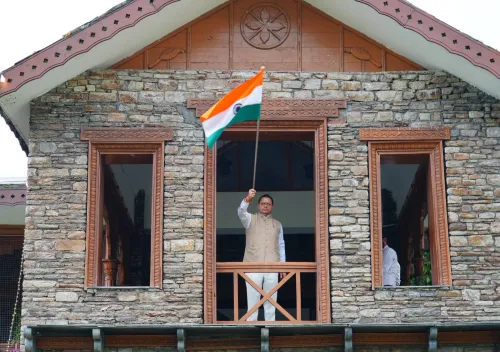
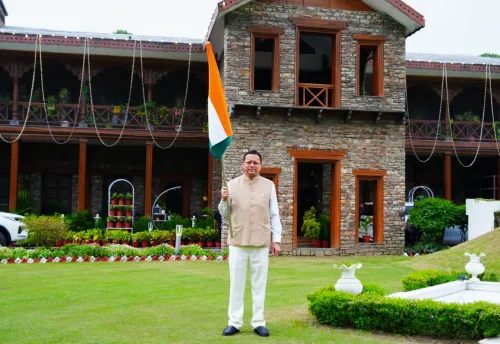
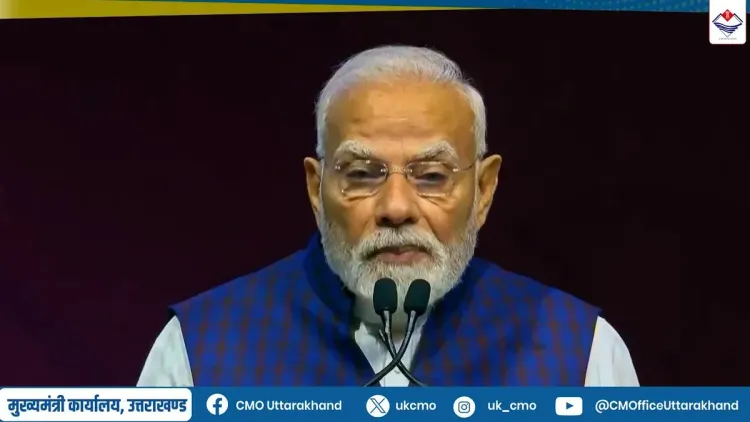
The Chief Minister's Office of Uttarakhand shared a video on 13 August 2026 highlighting rural women in Dehradun manufacturing cotton Tricolours.
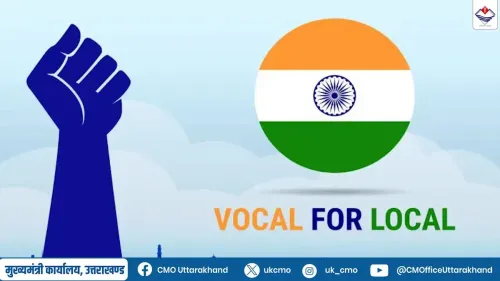
PM Narendra Modi 's 'Vocal for Local' campaign, launched in 2020 under the Atmanirbhar Bharat package, is the national policy anchor for the initiative.
CM Pushkar Singh Dhami 's state vision has directed women's self-help group networks toward local small-scale manufacturing, including flag production.
The effort combines patriotic symbolism with economic empowerment for rural women ahead of Independence Day on 15 August 2026 .
Exact scale of production and specific self-help group names have not been officially confirmed.
With Independence Day hours away, rural women in Dehradun are doing something quietly extraordinary — hand-crafting cotton Tricolours that will fly across Uttarakhand, turning a national campaign into a neighbourhood livelihood. The Chief Minister's Office of Uttarakhand shared a video on Thursday, 13 August 2026, spotlighting this grassroots effort as a direct expression of Prime Minister Narendra Modi's 'Vocal for Local' call and Chief Minister Pushkar Singh Dhami's state-level vision.
Cotton threads, national pride
The post states that rural women of Dehradun are preparing cotton Tricolours — suti tiranga — translating the national self-reliance push into tangible, stitched reality. The national flag, made locally by women from the region's villages, carries a symbolism that goes well beyond the fabric: it is the Atmanirbhar Bharat idea at its most visible and most personal.
PM Modi launched the 'Vocal for Local' campaign in 2020 as the citizen-facing arm of the broader Atmanirbhar Bharat economic package, urging Indians to choose domestically made goods and build local production capacity. Uttarakhand's integration of this mandate with women's self-help group networks is a textbook example of how state governments have operationalised the Centre's framework.
Dhami's SHG strategy meets the Tricolour
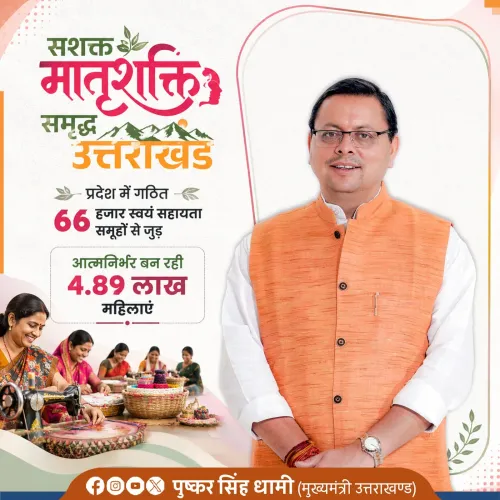
Chief Minister Pushkar Singh Dhami, in office since 2021, has consistently channelled state women empowerment programmes through self-help groups, directing them toward small-scale manufacturing that generates income while serving a public purpose. Flag-making ahead of Independence Day sits at the intersection of patriotic symbolism and economic agency — a combination that gives the initiative both political and human resonance.
Dehradun, the capital district, is the focal point here — but the broader pattern across Uttarakhand has been to embed rural women's groups into local supply chains, from handicrafts to agri-processing. Flag production is a high-visibility addition to that portfolio, timed precisely when demand peaks nationally.
What the Tricolour in their hands represents
India's push since 2020 to reduce import dependence has gradually reached even symbolic national goods. The cotton Tricolour made in a Dehradun village is, in microcosm, the entire Atmanirbhar argument: that local hands, given opportunity and market access, can supply what was once sourced elsewhere. For the women stitching them, it is also a wage, a skill, and a stake in the national moment.
With Independence Day on 15 August 2026 imminent, watch for whether the state announces expanded production units or broader distribution of these locally made flags — and whether this model travels to other districts of Uttarakhand.
Point of View
The Dhami administration maximises both visibility and symbolic payoff at near-zero political cost. The broader pattern — states competing to demonstrate the most photogenic implementation of PM Modi's economic campaigns — is becoming a standard pre-national-holiday playbook. Whether the initiative scales beyond a seasonal moment into a sustained livelihood programme will be the real test of its policy substance.
NationPress
27 Sept 2026
Frequently Asked Questions
What is the Vocal for Local campaign in India?
Vocal for Local is a national campaign launched by Prime Minister Narendra Modi in 2020 as part of the Atmanirbhar Bharat package, urging citizens and businesses to prioritise domestically manufactured goods over imports.
Why are rural women in Dehradun making the Tricolour?
Rural women in Dehradun are producing cotton national flags as part of Uttarakhand's implementation of the Vocal for Local campaign, channelling self-help group networks into local flag manufacturing ahead of Independence Day 2026 .
What is Pushkar Singh Dhami's role in this initiative?
Chief Minister Pushkar Singh Dhami , in office since 2021 , has promoted state-level women empowerment through self-help groups engaged in small-scale local production, of which the Tricolour-making drive is a prominent example.
What is Atmanirbhar Bharat and how does it relate to this?
Atmanirbhar Bharat is PM Modi 's self-reliance economic framework announced in 2020 , aimed at boosting domestic manufacturing. The Dehradun Tricolour initiative is a grassroots expression of this policy, replacing imported or centrally produced flags with locally made ones.
When is Independence Day 2026 in India?
Independence Day falls on 15 August 2026 , making the timing of this Tricolour production drive by Dehradun's rural women directly relevant to national flag demand across the country.