CM Dhami: 5 Lakh Women Empowered via 70,000+ SHGs in Uttarakhand
Synopsis
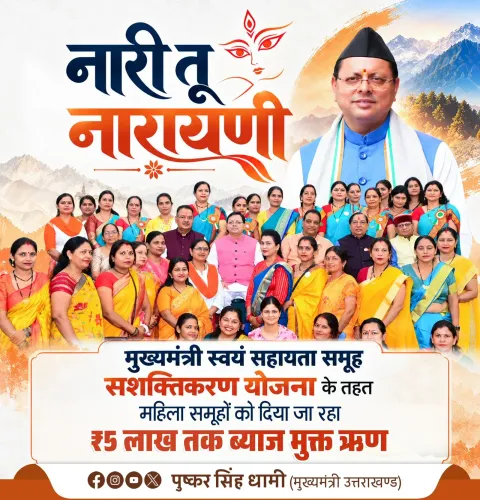
Chief Minister Pushkar Singh Dhami has highlighted that nearly 5 lakh women in Uttarakhand are achieving economic self-reliance through more than 70,000 Self-Help Groups, reflecting the state's push to scale women-led grassroots enterprise under national rural livelihood frameworks.
Key Takeaways
CM Pushkar Singh Dhami stated that nearly 5 lakh women in Uttarakhand are engaged in self-employment through SHGs.
More than 70,000 Self-Help Groups are currently active across the state, serving as the primary vehicle for women's economic inclusion.
The initiative operates under the framework of the Deendayal Antyodaya Yojana – National Rural Livelihoods Mission (DAY-NRLM) , launched nationally in 2011 .
The Uttarakhand State Rural Livelihood Mission (USRLM) implements the programme with a focus on hilly and remote districts.
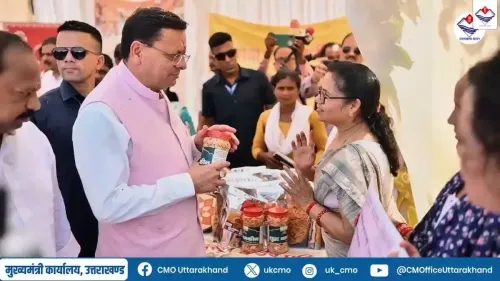
Key sectors include handicrafts, dairy, and agri-processing , where women already lead household-level production.
The state's next rural development budget and SHG bank-linkage reports will be closely watched as indicators of sustained impact.
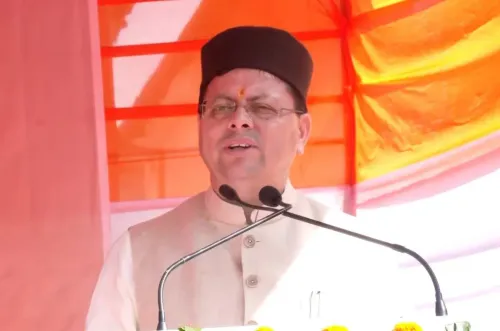
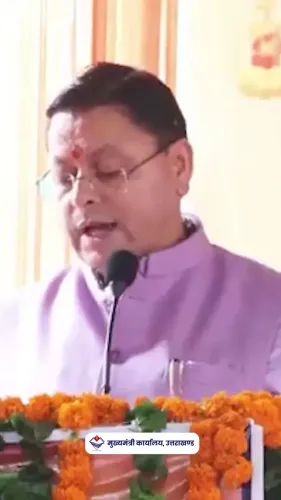
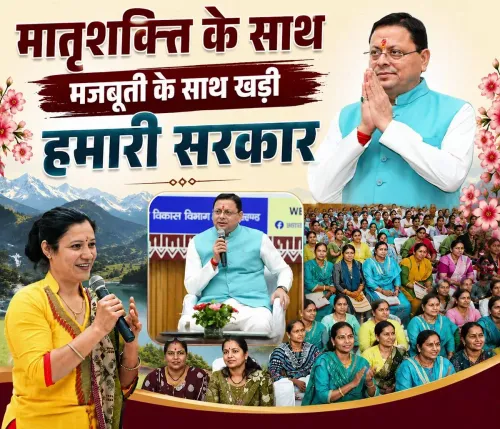
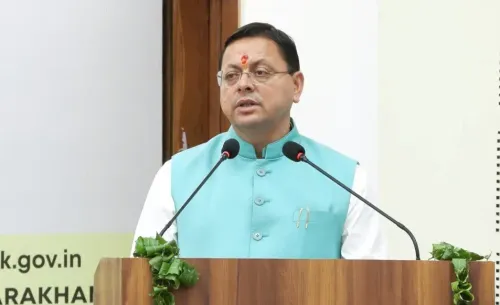
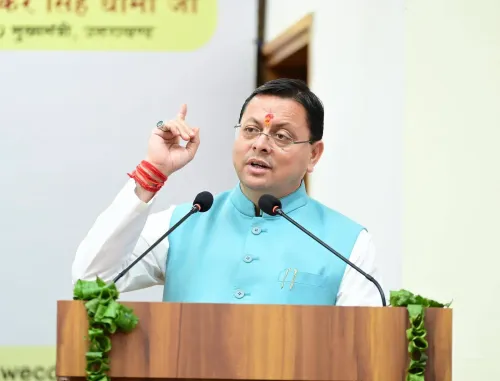
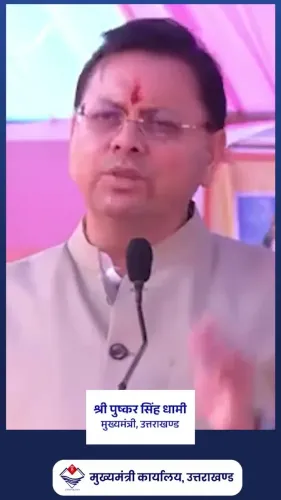
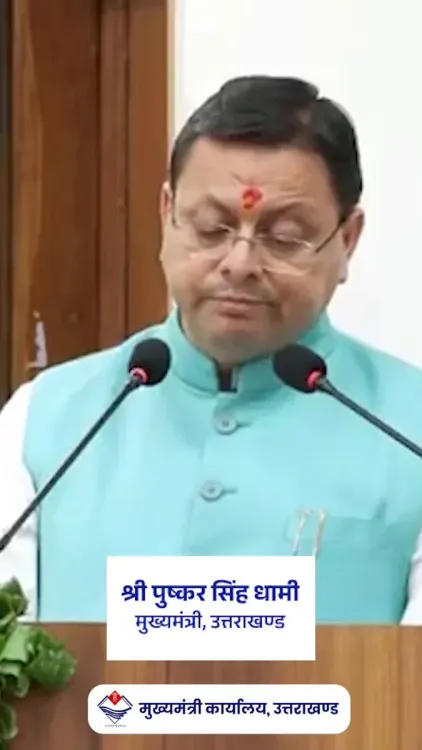
The Chief Minister's Office of Uttarakhand on Thursday, 23 July 2026 quoted Chief Minister Pushkar Singh Dhami stating that nearly 5 lakh women across the state are now writing a new story of economic self-reliance through self-employment, linked via more than 70,000 Self-Help Groups (SHGs).
Context
Speaking on the state's rural livelihood landscape, CM Dhami said — 'aaj pradesh ki lagbhag 5 lakh mahilaen 70 hazar se adhik swayam sahayata samuh ke madhyam se swarozgar se judkar aarthik aatmanirbharta ki nayi kahani likh rahi hain' — ('Today, nearly 5 lakh women of the state are writing a new story of economic self-reliance by connecting with self-employment through more than 70,000 Self-Help Groups'). The statement underscores the state government's emphasis on women-led grassroots economic activity as a measurable development indicator.
Uttarakhand, with its largely hilly and geographically dispersed terrain, has long relied on community-based structures to deliver economic opportunities to women in remote districts. SHGs serve as the primary vehicle for microfinance access, skill training, and collective enterprise in such regions.
Policy Backdrop
The SHG movement in India gained national institutional backing with the launch of the Deendayal Antyodaya Yojana – National Rural Livelihoods Mission (DAY-NRLM) in 2011, which aimed to federate women's groups, link them to formal banking systems, and promote sustainable self-employment. The Uttarakhand State Rural Livelihood Mission (USRLM) was established as the state-level implementing body to adapt this framework to the specific challenges of hill districts.
Across India, SHGs have been positioned as a cornerstone of the Atmanirbhar Bharat agenda, enabling financial inclusion for women who are otherwise excluded from formal credit markets. In Uttarakhand, the focus has been on sectors such as handicrafts, dairy, and agri-processing — areas where women already lead household-level production.
Stakeholders and Impact
The primary beneficiaries of this network are rural women across Uttarakhand's hill and valley districts, many of whom are first-generation earners in the formal or semi-formal economy. SHG membership provides not only income-generating opportunities but also access to group savings, credit, and market linkages that individual women would struggle to secure independently.
The scale cited — 5 lakh women across 70,000-plus groups — signals a broad institutional footprint. Each SHG typically comprises 10 to 20 members, suggesting the network spans a significant share of the state's rural female population. State governments regularly cite such figures as evidence of progress on gender-inclusive economic indicators.
What's Next
Attention will now turn to Uttarakhand's upcoming rural development budget allocations and any formal progress report or impact evaluation covering SHG bank linkages and income outcomes. The state's ability to deepen credit access, expand market linkages, and federate existing groups into higher-order producer collectives will determine whether the current scale translates into sustained economic mobility for these 5 lakh women. Policy analysts will also watch for alignment with central NRLM targets and any new state-specific incentives announced in the next fiscal cycle.
Point of View
A metric increasingly used by state governments to demonstrate gender-inclusive governance. The invocation of 'aarthik aatmanirbharta' ('economic self-reliance') directly echoes the Centre's Atmanirbhar Bharat branding, suggesting a conscious effort to align state performance with the ruling dispensation's flagship narrative. With assembly politics always in the background, highlighting women's economic agency through verifiable group counts offers a politically durable and broadly popular data point. The real test, however, lies in whether bank linkages and income levels within these groups are deepening — a dimension that aggregate SHG numbers alone do not reveal.
NationPress
22 Oct 2026
Frequently Asked Questions
How many Self-Help Groups are active in Uttarakhand in 2026?
According to Chief Minister Pushkar Singh Dhami, more than 70,000 Self-Help Groups are currently active in Uttarakhand, engaging nearly 5 lakh women in self-employment.
What is the Deendayal Antyodaya Yojana-NRLM and how does it relate to Uttarakhand SHGs?
The Deendayal Antyodaya Yojana – National Rural Livelihoods Mission (DAY-NRLM) , launched in 2011 , is the central government scheme that funds and federates women's SHGs across India. The Uttarakhand State Rural Livelihood Mission implements it at the state level, adapting it for hill districts.
What sectors do Uttarakhand SHG women work in?
Women in Uttarakhand's SHGs are primarily engaged in handicrafts, dairy, and agri-processing , sectors that align with the state's rural economy and where women traditionally lead household-level production.
What does 'Atmanirbhar Bharat' mean for women's SHGs in India?
Atmanirbhar Bharat ('Self-Reliant India') is the central government's economic self-sufficiency agenda, under which women's SHGs are promoted as a grassroots mechanism for financial inclusion, credit access, and income generation, reducing dependence on external employment.
What is the significance of CM Dhami's statement on women's self-help groups?
CM Dhami's statement highlights Uttarakhand's progress in scaling women-led economic activity, positioning the state as aligned with national gender-inclusive development goals while underscoring the reach of the rural livelihood mission in geographically challenging hill terrain.