CM Dhami: Over 3 Lakh Uttarakhand Women Now Lakhpati Didis
Synopsis
Over 3 lakh women in Uttarakhand have achieved the Lakhpati Didi milestone under DAY-NRLM, CM Pushkar Singh Dhami announced on 15 October 2026, highlighting the state government's focus on rural women's economic self-reliance through self-help groups.
Key Takeaways
More than 3 lakh women in Uttarakhand have earned the Lakhpati Didi designation, meaning annual household income of at least Rs 1 lakh via SHG-linked enterprise.
The milestone was announced by CM Pushkar Singh Dhami via the official Chief Minister's Office X account on 15 October 2026 .
Lakhpati Didi is a component of DAY-NRLM , a central scheme running since 2011 that organises rural women into self-help groups.
The Union Government set a national target of two crore Lakhpati Didis by 2025 across all states.
Uttarakhand's SHG push is especially significant given the state's history of seasonal male out-migration, which makes women-led enterprise critical to village economies.
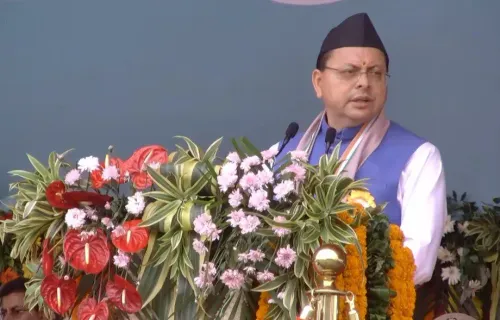
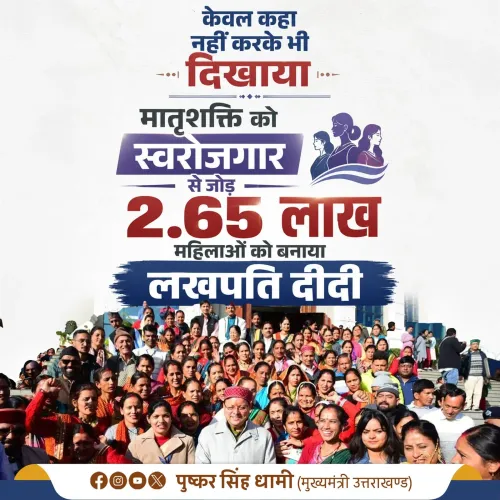
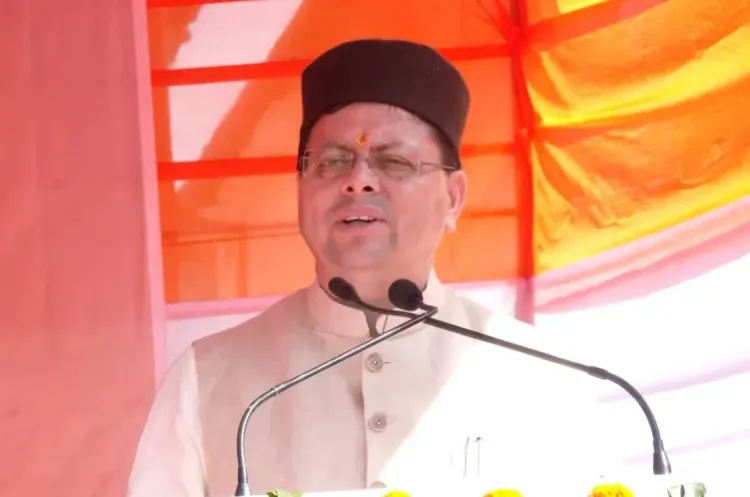
More than 3 lakh women in Uttarakhand have crossed the annual income threshold of Rs 1 lakh under the Lakhpati Didi initiative — and Chief Minister Pushkar Singh Dhami is making sure the milestone doesn't go unnoticed. The Chief Minister's Office of Uttarakhand shared the figure on Thursday, 15 October 2026, framing it as proof that the state's push for women's economic self-reliance is producing real results.
Posting on X, CM Dhami said: 'आज उत्तराखण्ड की 3 लाख से अधिक महिलाएं लखपति दीदी बनकर आत्मनिर्भरता की नई मिसाल पेश कर रही हैं' — 'Today, more than 3 lakh women of Uttarakhand are setting a new example of self-reliance by becoming Lakhpati Didis. Our government stands with them at every step to promote women's economic empowerment and self-employment.'What 'Lakhpati Didi' actually means for a Himalayan village
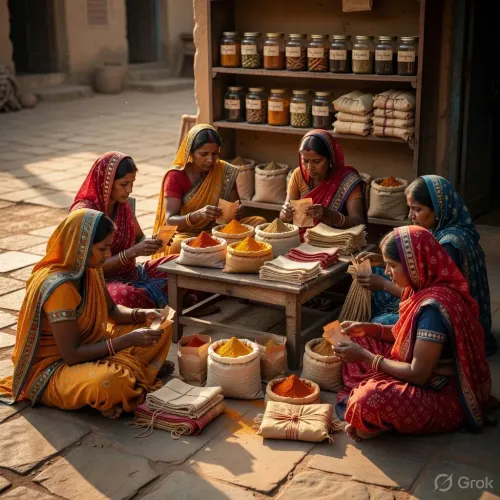
The Lakhpati Didi scheme is a component of the Deendayal Antyodaya Yojana – National Rural Livelihoods Mission (DAY-NRLM), a centrally sponsored programme launched in 2011 that organises rural women into self-help groups (SHGs) for credit access, skill training, and market linkages. A woman earns the 'Lakhpati Didi' designation when her household achieves a sustainable annual income of at least Rs 1 lakh through SHG-linked enterprise — whether that's dairy, handicrafts, agri-processing, or small trade.
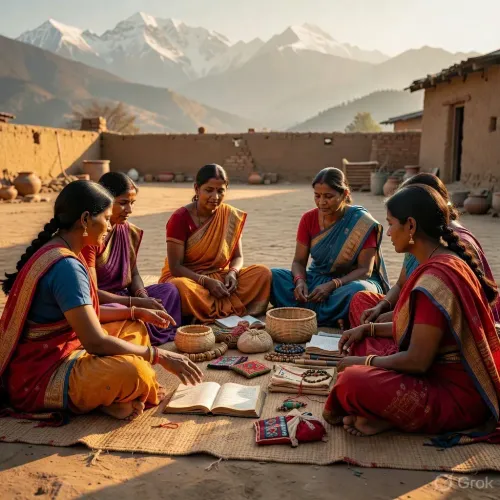
In the rugged terrain of Uttarakhand — where seasonal migration has historically drained village economies of working men — these SHGs have become a lifeline. Women anchoring local enterprises don't just earn; they hold communities together. That human reality sits behind every number the government posts.
Uttarakhand's count within a national race to two crore
In 2023, the Union Government set an ambitious national target: two crore Lakhpati Didis by 2025 under NRLM. States across the country have been racing to mobilise SHGs, connect women to credit, and certify income milestones. Uttarakhand's tally of over 3 lakh represents the state's contribution to that national count — a meaningful share for a small-population Himalayan state.
DAY-NRLM itself built on the earlier Swarnjayanti Gram Swarozgar Yojana, deepening the architecture of group-based rural livelihoods over more than a decade. The current push under CM Dhami's BJP government, in power since 2021, aligns state machinery tightly with the Centre's flagship rural-women agenda.
Self-reliance as political currency in Devbhoomi
The post is routine in format — a progress update, not a policy announcement — but its timing matters. With rural women's economic inclusion becoming a defining benchmark of governance quality, state governments have strong incentive to publicise SHG milestones loudly. Uttarakhand's update signals that the administration views women's livelihood progress as a front-page achievement, not a footnote.
The next test will be whether the state's upcoming budget or NRLM progress report sets an even higher target — and whether the income gains are verified as sustainable rather than one-time surges. For now, 3 lakh women in Uttarakhand hold the Lakhpati Didi credential. The ground beneath India's rural-women economy keeps shifting — and today, it shifted a little further north.
Point of View
However, is whether 'Lakhpati' status reflects sustained enterprise income or one-time certification — an audit gap that NRLM progress reports have yet to fully resolve. As the two-crore national target looms, the quality of these income milestones will matter as much as the quantity.
NationPress
15 Oct 2026
Frequently Asked Questions
What is the Lakhpati Didi scheme?
Lakhpati Didi is a component of the Deendayal Antyodaya Yojana – National Rural Livelihoods Mission (DAY-NRLM) under which rural women in self-help groups are supported to achieve a sustainable annual household income of at least Rs 1 lakh through skill training, credit access, and market linkages.
How many Lakhpati Didis are there in Uttarakhand?
As of the Chief Minister's Office announcement on 15 October 2026, more than 3 lakh women in Uttarakhand have achieved Lakhpati Didi status under the DAY-NRLM programme.
What is the national target for Lakhpati Didis?
The Union Government set a national target of creating two crore Lakhpati Didis under NRLM by 2025, with all states including Uttarakhand contributing to this count.
What is DAY-NRLM and when was it launched?
DAY-NRLM (Deendayal Antyodaya Yojana – National Rural Livelihoods Mission) is a centrally sponsored scheme launched in 2011 to organise rural poor, especially women, into self-help groups for self-employment and financial inclusion. It built on the earlier Swarnjayanti Gram Swarozgar Yojana.
Who is Pushkar Singh Dhami?
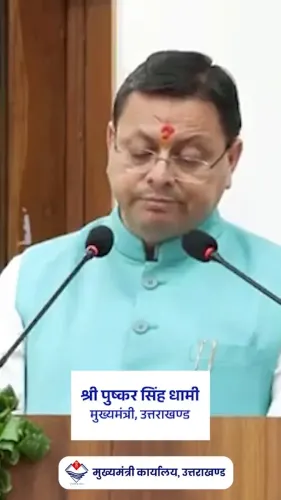
Pushkar Singh Dhami is the Chief Minister of Uttarakhand, heading the state BJP government since 2021, with a stated focus on rural development and women's economic empowerment.