CM Dhami: Over 2.65 Lakh Women Become Lakhpati Didi in Uttarakhand
Synopsis
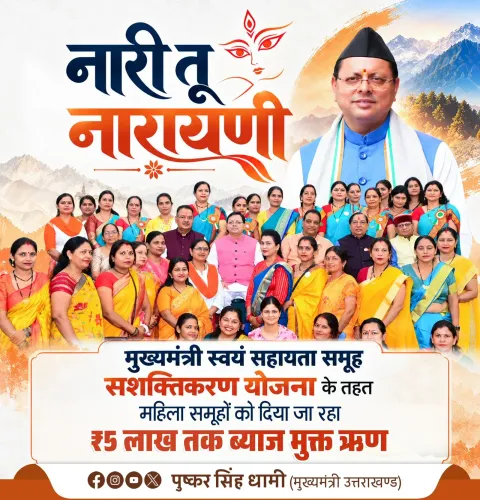
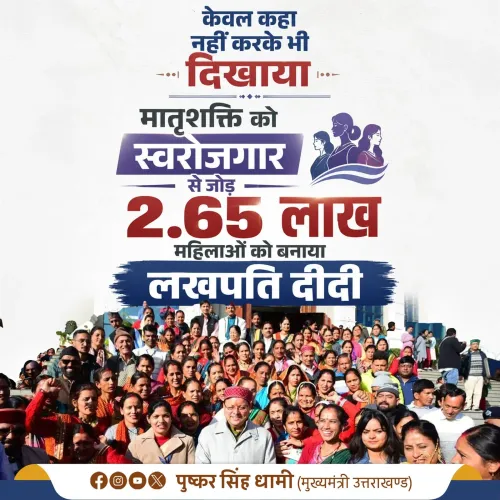
Uttarakhand CM Pushkar Singh Dhami announced on 22 July 2026 that over 2.65 lakh women have attained Lakhpati Didi status in the state, while more than 5 lakh women are engaged in self-employment through 70,000-plus Self Help Groups under the national DAY-NRLM framework.
Key Takeaways
Over 2.65 lakh women in Uttarakhand have achieved 'Lakhpati Didi' status, earning at least Rs 1 lakh annually through SHG-linked livelihoods.
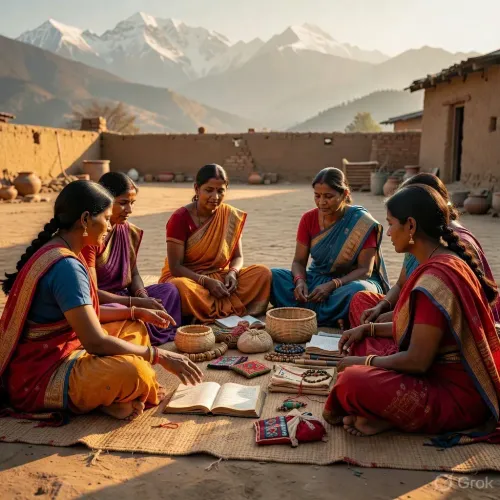
More than 5 lakh women are affiliated with over 70,000 Self Help Groups across the state, engaged in self-employment and entrepreneurship.
Cabinet Minister Rekha Arya , who oversees women and child welfare, was present at the event, reflecting active state-level monitoring.
The Lakhpati Didi scheme operates under the national DAY-NRLM framework launched in 2011, with a central target of one crore beneficiaries across India.
Uttarakhand's SHG network provides rural women with micro-credit, savings mechanisms, and skill-based enterprise support in a state where formal employment options are limited.
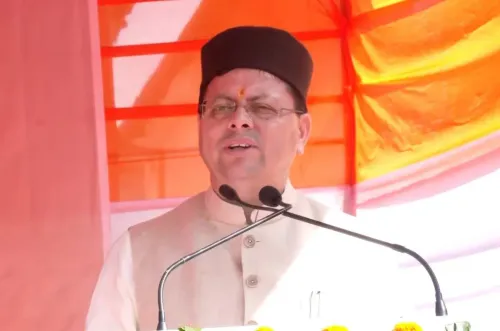
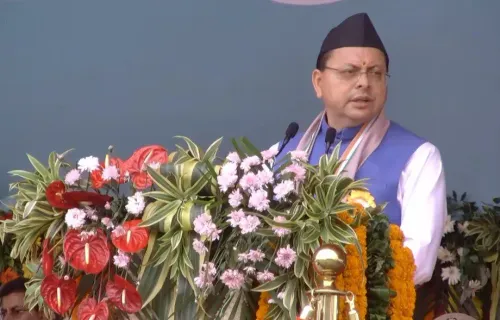
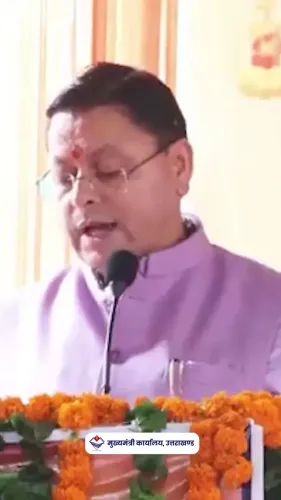
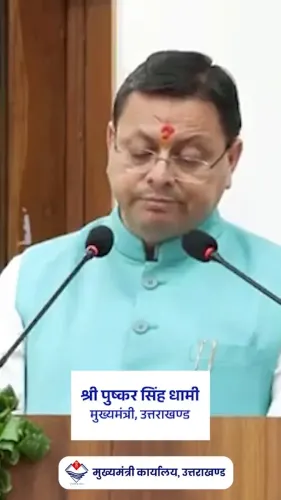
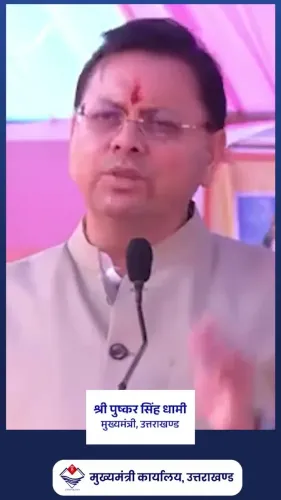
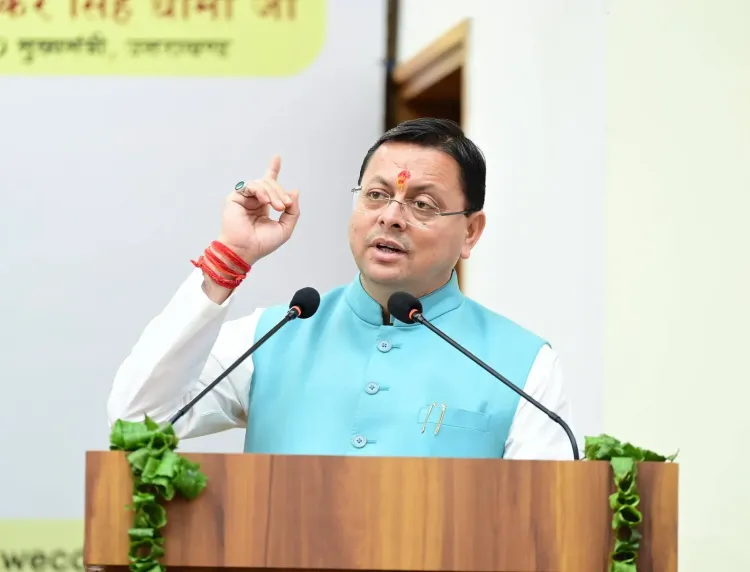
Uttarakhand Chief Minister Pushkar Singh Dhami on Wednesday, 22 July 2026 shared that more than 2.65 lakh women in the state have become 'Lakhpati Didis', while over 5 lakh women are driving self-employment and entrepreneurship through more than 70,000 Self Help Groups (SHGs).
Context
In his post on X, CM Dhami highlighted the cumulative progress of women's economic empowerment in Uttarakhand, writing: 'aaj pradesh mein 2.65 lakh se adhik mahilaen Lakhpati Didi ban chuki hain' ('today, more than 2.65 lakh women in the state have become Lakhpati Didis'). He noted that over 5 lakh women affiliated with more than 70,000 SHGs are setting new benchmarks in self-reliance and enterprise. Cabinet Minister Rekha Arya, who oversees portfolios including women and child welfare, was also present at the occasion.
Policy Backdrop
The 'Lakhpati Didi' initiative is a national scheme under the Deendayal Antyodaya Yojana-National Rural Livelihoods Mission (DAY-NRLM), originally launched in 2011, which aims to enable rural women in SHGs to earn at least Rs 1 lakh annually through sustainable livelihood activities. The national government had set a target of creating one crore Lakhpati Didis across India, and states including Uttarakhand have been aligning their implementation frameworks with this goal. SHGs serve as the foundational community institutions through which micro-credit, savings, and skill-based entrepreneurship are channelled to rural women.
Uttarakhand's hilly and semi-rural geography has historically posed challenges to formal employment for women, making SHG-linked livelihoods a critical policy instrument for the state. The DAY-NRLM framework provides both credit linkages and capacity-building support, which state governments supplement with their own budgetary allocations and monitoring mechanisms.
Stakeholders and Impact
The primary beneficiaries are rural women across Uttarakhand who have accessed SHG platforms to move from subsistence to income-generating activities — ranging from agro-processing and handicrafts to retail and services. The involvement of Cabinet Minister Rekha Arya at the event signals active state-level oversight of what is essentially a centrally-supported programme, reinforcing political accountability for delivery targets. For SHG members who have crossed the Rs 1 lakh annual income threshold, the Lakhpati Didi designation represents formal recognition of economic graduation.
The broader community impact extends to households and local rural economies, where women's enhanced incomes are linked to improved nutrition, education spending, and reduced financial vulnerability. Over 70,000 SHGs also function as peer networks that build financial literacy and collective bargaining capacity among members.
What's Next
The next indicators to watch will be Uttarakhand's rural development department's quarterly progress reports on Lakhpati Didi targets and any fresh budgetary provisions for SHG credit linkages in the state assembly. As the national mission continues to scale, the state's ability to sustain income levels above the Rs 1 lakh threshold — not merely achieve the designation — will be a key measure of programme depth. The presence of a senior cabinet minister at such reviews suggests the government intends to keep this agenda visible ahead of future electoral and policy cycles.
Point of View
The communication serves dual purposes: demonstrating administrative delivery and reinforcing the party's women-welfare credentials. The figures, however, remain state-level claims and their verification against independent surveys will determine how robustly Uttarakhand can claim programme depth rather than mere enrolment. This pattern of states publicising SHG milestones is consistent with a broader federal dynamic where NRLM targets have become a competitive metric of governance performance.
NationPress
21 Oct 2026
Frequently Asked Questions
What is the Lakhpati Didi scheme in Uttarakhand?
The Lakhpati Didi scheme is a national initiative under DAY-NRLM that helps rural women in Self Help Groups earn at least Rs 1 lakh annually through sustainable livelihoods. Uttarakhand CM Pushkar Singh Dhami announced on 22 July 2026 that over 2.65 lakh women in the state have achieved this status.
How many Self Help Groups are active in Uttarakhand in 2026?
According to CM Pushkar Singh Dhami's post on 22 July 2026, more than 70,000 Self Help Groups are active in Uttarakhand, with over 5 lakh women members engaged in self-employment and entrepreneurship.
Who is Rekha Arya and what is her role in the Lakhpati Didi programme?
Rekha Arya is a Cabinet Minister in the Uttarakhand government handling portfolios including women and child welfare. She was present at the event where CM Dhami highlighted Lakhpati Didi progress, indicating state-level ministerial oversight of the programme.
What is DAY-NRLM and how does it support women in Uttarakhand?
Deendayal Antyodaya Yojana-National Rural Livelihoods Mission (DAY-NRLM) is a central government scheme launched in 2011 that promotes Self Help Groups for rural women, providing micro-credit, savings linkages, and skill development to support economic self-reliance.
What is India's national target for Lakhpati Didis?
The national government set a target of creating one crore Lakhpati Didis across India. States including Uttarakhand have been aligning their SHG and rural livelihood programmes with this goal under the DAY-NRLM framework.