Uttarakhand CM Dhami: 3 Lakh Women Cross Lakhpati Milestone
Synopsis
Uttarakhand's Lakhpati Didi Yojana has crossed 3,03,696 enrolments — women earning over Rs 1 lakh annually through SHGs — and the state has set a fresh target of 1,12,000 more by 2026-27, backed by 24 growth centres, 33 nano-packaging units, and the House of Himalayas brand.
Key Takeaways
3,03,696 women in Uttarakhand have achieved annual incomes above Rs 1 lakh under the Lakhpati Didi Yojana as of financial year 2025-26.
The scheme launched in November 2022 under the Uttarakhand State Rural Livelihood Mission; every annual target has been met ahead of schedule.
A fresh target of 1,12,000 additional Lakhpati Didis has been set for financial year 2026-27 , to be achieved before the deadline.
5,19,943 women are organised into 70,767 SHGs , 8,179 village organisations , and 615 Cluster Level Federations across all 13 districts.
Infrastructure includes 24 growth centres , 33 nano-packaging units , and 17 Saras centres ; the House of Himalayas brand markets SHG products nationally and internationally.
Women hold 30% horizontal reservation in state government services and 33% reservation in cooperative societies under Dhami government policy.
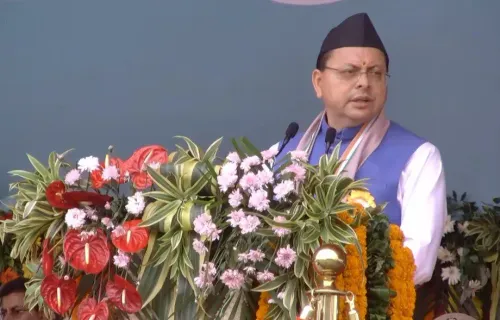
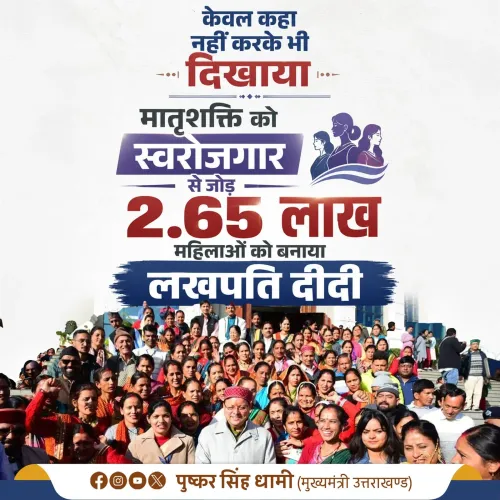
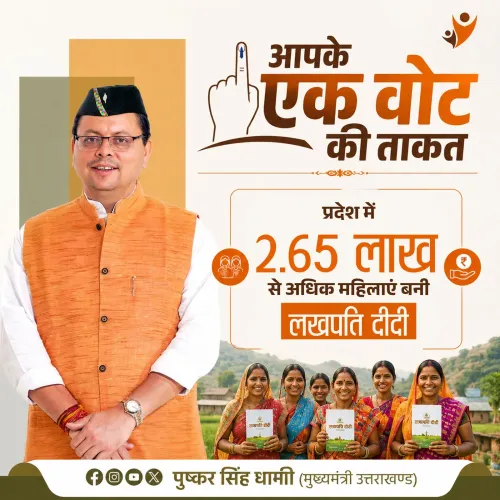
More than 3,03,696 women in Uttarakhand have crossed the annual income threshold of one lakh rupees — and the state is not slowing down. The Chief Minister's Office of Uttarakhand announced on Thursday, August 13, 2026, that the Lakhpati Didi Yojana, launched in November 2022, has already surpassed its cumulative target for financial year 2025-26, with departments now racing to achieve the next target of 1,12,000 more women by 2026-27 — ahead of schedule.
What Lakhpati Didi means on the ground
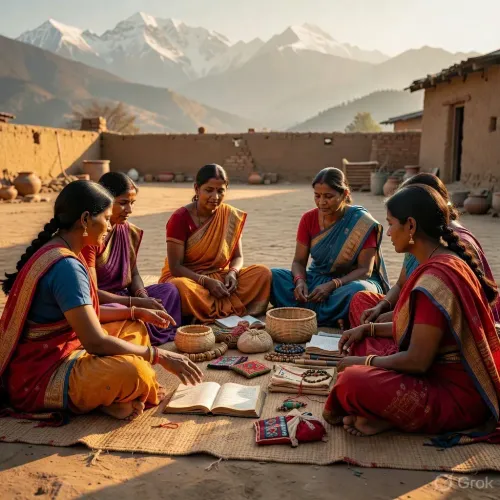
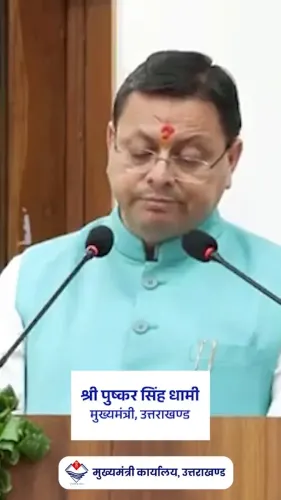
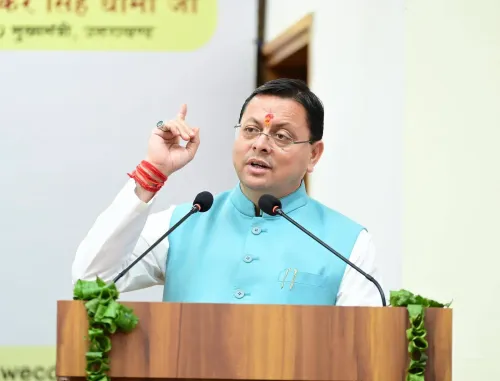
The scheme is not a cash transfer. It is a structured push to help women enrolled in self-help groups (SHGs) under the Uttarakhand State Rural Livelihood Mission (USRLM) build businesses that generate over Rs 1 lakh in annual income — independently and sustainably. Across all 13 districts and 95 blocks of the state, 5,19,943 women have been organised into 70,767 SHGs, 8,179 village organisations, and 615 Cluster Level Federations (CLFs). That is a mobilisation architecture built over years — and the Lakhpati Didi programme sits at its apex. Chief Minister Pushkar Singh Dhami framed the moment in unambiguous terms: 'Matrashakti Uttarakhand ki aarthik aur samajik kranti ki sabse badi samvahika hai' — 'Women are the greatest drivers of Uttarakhand's economic and social revolution.'Beekeeping, millet bread, and homestays: the income playbook
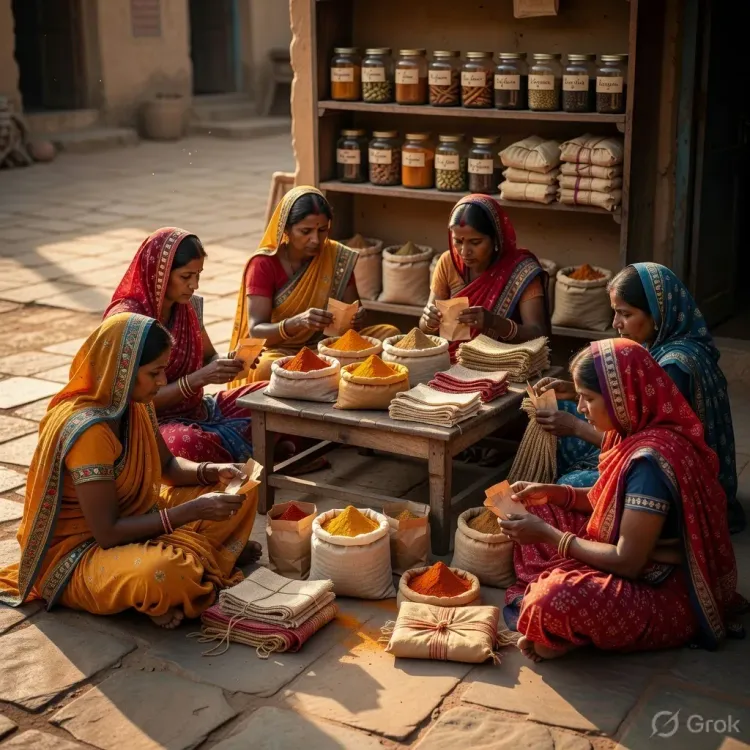
The range of livelihoods these women have entered is specific and hill-smart. Organic farming, food processing, spice manufacturing, handicrafts, dairy and animal husbandry, beekeeping, mushroom cultivation, and homestay operations are the primary sectors. Millet-based bakery products — riding a national demand surge for millets — have emerged as a fast-growing category. The state has built a backend to match: 24 growth centres, 33 nano-packaging units, and 17 Saras centres now handle processing, packaging, and retail for SHG products. Saras Melas at district, state, and national levels give these women direct access to larger markets.'House of Himalayas' takes hill products national — and beyond
The most visible market-linkage intervention is the House of Himalayas brand, launched on the Dhami government's initiative to give SHG-made products a unified, premium identity. By improving branding, packaging, and quality standards, the label has expanded demand for Uttarakhand's rural products in metros and major cities — and is positioned for international reach. It is a model that converts subsistence production into export-ready enterprise.Reservations, schemes, and the policy stack behind the numbers
The Lakhpati Didi programme does not stand alone. The Dhami government has layered a wider policy stack around it: 30 per cent horizontal reservation for women in government services, 33 per cent reservation in cooperative societies, and a suite of targeted schemes including the Mukhyamantri Ekal Mahila Swarojgar Yojana, Mukhyamantri Sashakt Bahna Yojana, Drone Didi Yojana, Solar Sakhi Yojana, Mukhyamantri Satat Ajeevika Mission, Mukhyamantri Nari Sashaktikaran Yojana, and Mukhyamantri Udyamshala Yojana. Each targets a different gap — from solo women entrepreneurs to technology adoption to energy access. Every annual target set under the Lakhpati Didi scheme so far has been met before its deadline. The departments are now calibrated to repeat that record for 1,12,000 more women before March 2027. Whether the infrastructure of growth centres and market linkages can absorb that next wave at scale is the real test — and the one worth watching.Point of View
Quantifiable women's empowerment outcomes ahead of election cycles. The ahead-of-schedule delivery pattern — repeated across successive annual targets — signals strong administrative prioritisation, but also raises the question of whether income thresholds are being met through genuine enterprise growth or through short-term subsidy-driven boosts. The House of Himalayas brand and the cluster federation architecture represent a more durable market-linkage model than direct transfers, and their scaling will be the true indicator of programme depth. The parallel reservation measures in government jobs and cooperatives suggest the Dhami government is pursuing a multi-track women's policy rather than relying on a single flagship scheme.
NationPress
27 Sept 2026
Frequently Asked Questions
What is the Lakhpati Didi Yojana in Uttarakhand?
The Lakhpati Didi Yojana is a state scheme launched in November 2022 under the Uttarakhand State Rural Livelihood Mission to help women in self-help groups build businesses that generate annual incomes above Rs 1 lakh , through sectors like organic farming, food processing, dairy, and homestays.
How many Lakhpati Didis are there in Uttarakhand in 2026?
As of financial year 2025-26 , 3,03,696 women in Uttarakhand have become Lakhpati Didis, earning more than Rs 1 lakh annually. The state has set a new target of 1,12,000 more women for financial year 2026-27.
What is House of Himalayas?
'House of Himalayas' is a state-promoted brand initiated by the Dhami government to market products made by rural women's self-help groups in Uttarakhand at national and international levels, with improved branding, packaging, and quality standards.
What businesses do Lakhpati Didis run in Uttarakhand?
Women enrolled in the scheme work across organic farming, food processing, spice manufacturing, handicrafts, dairy and animal husbandry, beekeeping, mushroom cultivation, homestay operations , and millet-based bakery products.
What reservation has Uttarakhand given women in government jobs?
The Dhami government has provided 30 per cent horizontal reservation for women in Uttarakhand government services and 33 per cent reservation in cooperative societies as part of its broader women's empowerment policy.