Rubio, Wang Yi discuss Trump's APEC trip and Xi's G20 Florida visit
Synopsis
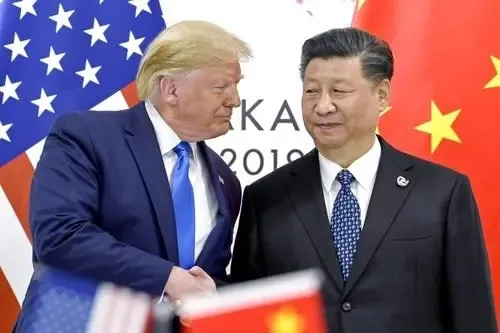
Rubio and Wang Yi spoke on 12 November at Beijing's request — coordinating Trump's rare visit to an APEC summit on Chinese soil and Xi's reciprocal trip to Florida for the G20. The call's most striking detail: both sides agreed on the importance of a potential trilateral leaders' meeting with Russia, expanding the diplomatic stakes well beyond routine summit logistics.
Key Takeaways
Marco Rubio and Wang Yi spoke on 12 November 2026 at China's request to coordinate upcoming summits.
President Trump is set to attend the APEC summit in China ; Xi Jinping will visit Florida for the G20 Leaders' Summit .
Both sides reaffirmed commitment to a 'constructive relationship of strategic stability' based on respect, fairness, and reciprocity.
The two officials agreed on the importance of a potential trilateral leaders' meeting with Russia focused on peace and denuclearisation.
China's Foreign Ministry described the call as 'positive and constructive,' citing Xi's September US visit as 'smooth and successful.' Beijing stated its US policy 'maintains stability and continuity' and pledged mutual support for successful hosting of both summits.
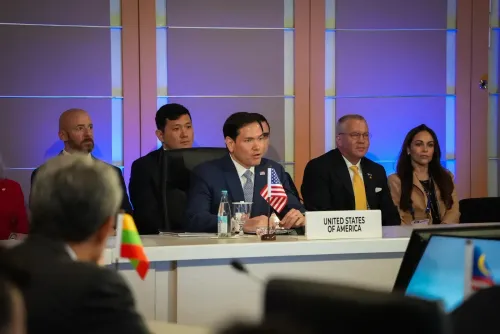
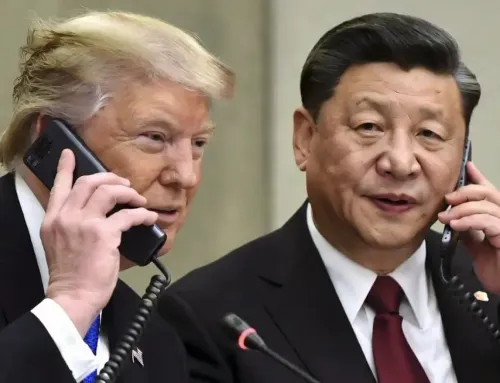
US Secretary of State and National Security Advisor Marco Rubio spoke with Chinese Foreign Minister Wang Yi on 12 November 2026 at China's request, covering President Donald Trump's upcoming trip to the APEC summit in China and President Xi Jinping's planned visit to Florida for the G20 Leaders' Summit, the State Department confirmed. The call signals an active diplomatic channel between Washington and Beijing ahead of two landmark multilateral gatherings.
What Was Discussed
According to the State Department's readout, Rubio and Wang 'recalled the bilateral leader-level commitment to a constructive relationship of strategic stability on the basis of respect, fairness, and reciprocity.' The two officials also 'agreed on the importance of meaningful leader-level conversations to advance goals such as peace and denuclearisation, including at any potential trilateral leaders' meeting with Russia.' The explicit reference to a possible trilateral meeting involving Russia marks a notable expansion of the diplomatic agenda on the table.
China's Account of the Call
China's Foreign Ministry posted its own readout of the conversation, describing it as 'positive and constructive.' According to the Chinese-language account, Wang Yi told Rubio that Xi's visit to the United States in September was 'smooth and successful,' and that the two leaders had agreed to enrich the substance of a 'new positioning' of China-US relations — offering 'clearer strategic guidance' for how the two countries should engage. The Ministry's text said the 'momentum of stability' in the relationship 'has not come easily' and is 'a rational choice' by two major powers acting on both their respective and shared interests.
Beijing's Stated Position
China's policy toward the United States 'maintains stability and continuity,' Wang reportedly said, adding that Beijing is willing to strengthen communication and cooperation, 'properly handle differences and sensitive issues,' and 'mutually support' the successful hosting of the 2026 APEC Economic Leaders' Informal Meeting and the G20 Leaders' Summit. The readout framed these commitments as part of a broader effort to 'promote the implementation of a constructive relationship of strategic stability' between Washington and Beijing.
Why This Call Matters
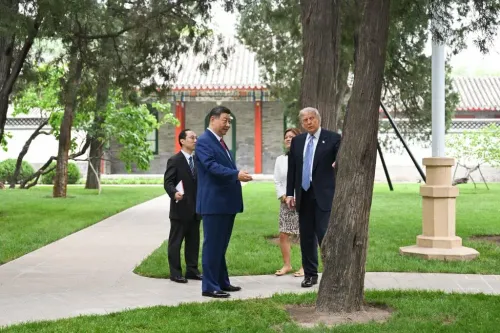
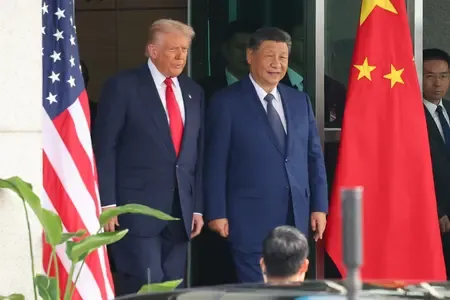
The Rubio–Wang exchange is the clearest signal yet that the two sides are actively coordinating the logistics and tone of back-to-back high-stakes summits. Trump's attendance at an APEC summit on Chinese soil — and Xi's reciprocal visit to Florida for the G20 — would represent the most substantive in-person engagement between the two heads of state in years. This comes amid an ongoing recalibration of US-China relations that began with Xi's US visit in September, suggesting both capitals see stability management as a near-term priority even as structural tensions over trade, technology, and Taiwan persist. Notably, the reference to a potential trilateral meeting with Russia adds a geopolitical layer that extends well beyond routine summit prep.
What to Watch Next
The confirmed dates and venue details for both the APEC and G20 gatherings are expected to be finalised in the coming weeks. Analysts will closely track whether the 'trilateral leaders' meeting' reference translates into a formal agenda item, and whether trade and technology flashpoints are addressed in any bilateral margins on the sidelines of either summit.
Point of View
Signalling that China has as much to gain from summit stability as Washington does. The reference to a potential trilateral meeting with Russia is the headline buried in the readout — it hints at an ambition that goes far beyond logistics, potentially reshaping the geopolitical framing of both summits. What mainstream coverage underplays is the asymmetry in the two readouts: the US statement is terse and procedural, while Beijing's is longer, warmer, and laced with framework language ('new positioning,' 'strategic guidance') that China favours when it wants to lock in a narrative. That gap in messaging tone is itself a data point about which side is more eager to cement a stable-looking relationship heading into an election-sensitive period for both governments.
NationPress
12 Nov 2026
Frequently Asked Questions
Why did Rubio and Wang Yi speak on 12 November 2026?
The call was held at China's request to discuss President Trump's upcoming attendance at the APEC summit in China and President Xi Jinping's planned visit to Florida for the G20 Leaders' Summit. The State Department confirmed the conversation and described it as focused on summit coordination and bilateral stability commitments.
What did the two sides agree on during the call?
Rubio and Wang Yi agreed on the importance of meaningful leader-level conversations to advance peace and denuclearisation, including at a potential trilateral leaders' meeting with Russia. They also reaffirmed a bilateral commitment to a constructive relationship of strategic stability based on respect, fairness, and reciprocity.
What is the significance of a potential trilateral meeting with Russia?
Both Washington and Beijing agreed on the importance of a possible trilateral summit involving Russia, focused on goals including peace and denuclearisation. If realised, such a meeting would be one of the most consequential leader-level engagements in years, bringing together the heads of the world's three largest nuclear powers.
How did China describe the Rubio–Wang Yi call?
China's Foreign Ministry characterised the call as 'positive and constructive.' Wang Yi told Rubio that Xi Jinping's September visit to the United States was 'smooth and successful' and said Beijing's policy toward Washington 'maintains stability and continuity.'
What summits are at the centre of the US-China diplomatic engagement?
The two focal points are the 2026 APEC Economic Leaders' Informal Meeting, which President Trump will attend in China, and the G20 Leaders' Summit in Florida, which President Xi Jinping is expected to attend. Both events are being framed by both sides as opportunities to advance bilateral engagement.