Mahua Moitra mocks Yogi over 2000 AQI air crisis
Synopsis
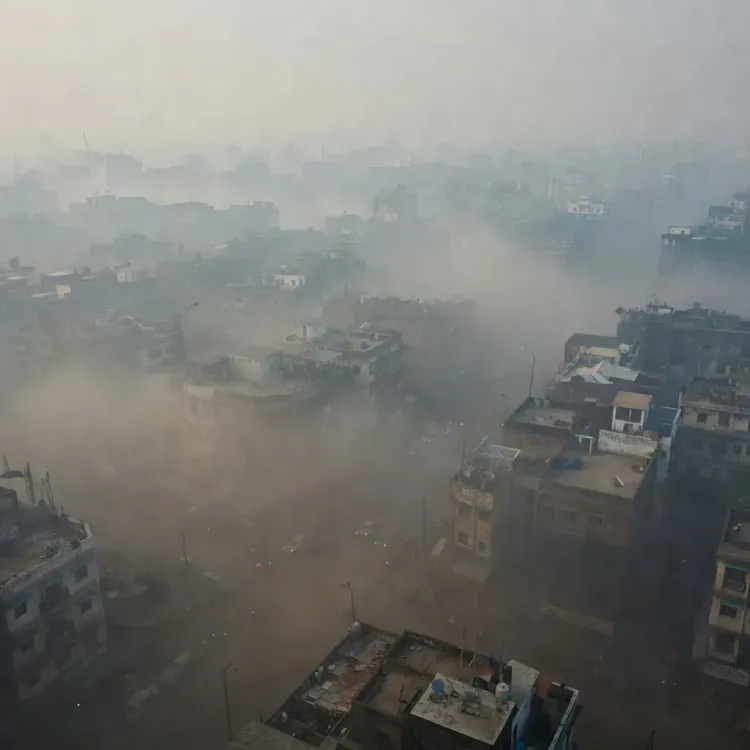
TMC MP Mahua Moitra sharply mocked UP Chief Minister Yogi Adityanath on November 12, 2026, posting a sardonic image on X as North India reeled under a reported Air Quality Index of 2000 — framing official responses against a public-health emergency affecting millions across the Indo-Gangetic plain.
Key Takeaways
TMC MP Mahua Moitra posted a sardonic image on X on November 12, 2026 , targeting UP CM Yogi Adityanath amid North India's air-quality crisis.
The post references a reported AQI of 2000 — far above India's official hazardous ceiling of 500 .
Delhi-NCR and large parts of Uttar Pradesh face annual winter smog from vehicle exhaust, industrial emissions, and paddy-stubble burning.
The National Clean Air Programme , launched in 2019 , targets 131 cities including several in the NCR, but enforcement gaps remain contested.
Moitra's post follows a recurring opposition pattern of using high-AQI episodes to challenge BJP-led state governments' pollution management.
Several UP cities — including Kanpur , Agra , and Varanasi — consistently rank among India's most polluted urban centres.
When the air itself becomes the story, politicians rarely miss their cue. On Thursday, November 12, 2026, TMC MP Mahua Moitra turned the winter air-quality emergency gripping North India into a sharp political broadside, posting a sardonically captioned image on X directed at Uttar Pradesh Chief Minister Yogi Adityanath amid reports of an Air Quality Index reading of 2000 — a figure, if accurate, that would represent air more than twenty times over the threshold for 'hazardous'.
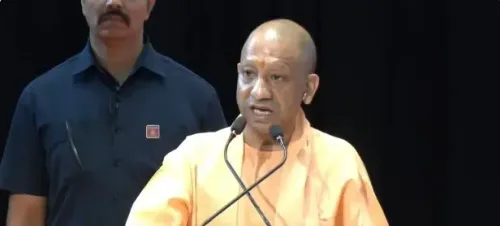
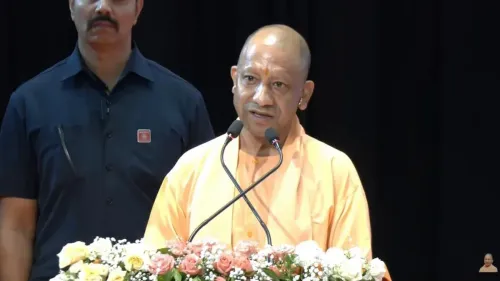
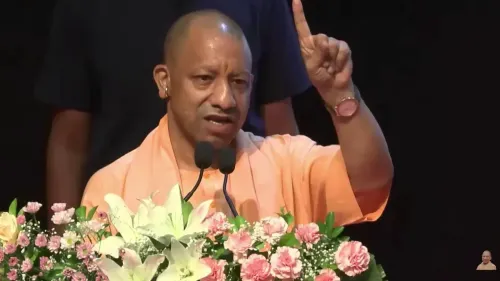
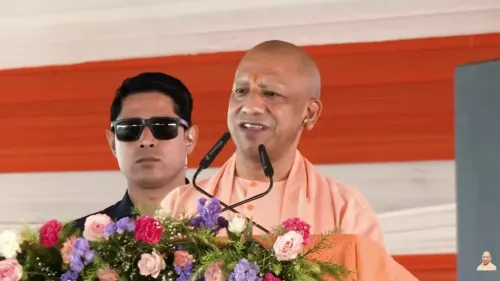
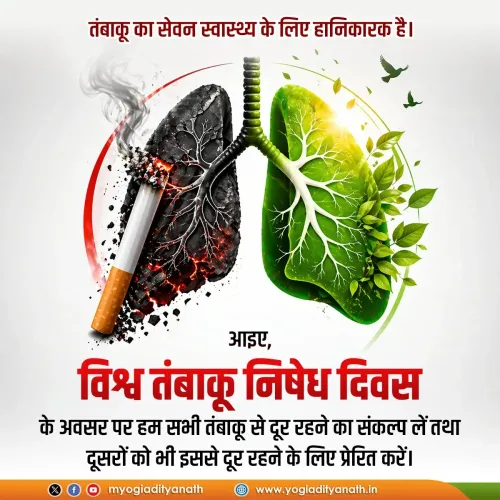
The post reads: 'For those of you suffering under 2000 AQI here are Yogi's pearls of wisdom…' — attaching what appears to be a screengrab or image quoting the Chief Minister. The phrasing is deliberately sardonic: 'pearls of wisdom' framed against a public-health emergency affecting millions in the Indo-Gangetic plain.
Why 2000 AQI is a number that stops you cold
India's official AQI scale runs to 500, at which point air quality is classified as 'Severe Plus' — a category associated with respiratory distress even in healthy individuals. An informal reading of 2000, sometimes reported from individual low-cost sensors rather than government reference monitors, signals concentrations of fine particulate matter (PM2.5) at levels that overwhelm standard measurement. Whether from a certified station or a field sensor, the number captures the lived horror of a region where the winter smog season has become an annual reckoning.
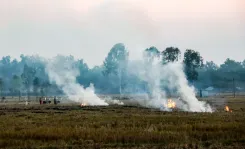
The Delhi-NCR region and large swathes of Uttar Pradesh, Punjab, and Haryana descend into this haze each November as cooler, calmer air traps vehicle exhaust, industrial emissions, construction dust, and — most controversially — smoke from paddy-stubble burning on farmland across the northern plains. The cycle has persisted for years, generating recurring political confrontations between state governments and opposition parties.
Moitra's shot and the pattern it fits
Mahua Moitra, the Krishnanagar MP known for adversarial interventions on governance failures, is no stranger to using environmental flashpoints as political leverage. Her post follows a well-worn but pointed opposition playbook: when air quality collapses in BJP-governed states, opposition MPs amplify the human cost and juxtapose it with the official response — or the absence of one.
Yogi Adityanath has led Uttar Pradesh since 2017. The state is home to several of India's most polluted cities — Kanpur, Agra, Varanasi, Lucknow — and consistently features in national AQI rankings at the worst end. The Central Government's National Clean Air Programme, launched in 2019, targeted particulate pollution reduction across 131 cities including several in the NCR, but progress has been disputed by environmental researchers and advocacy groups.
A health emergency that outlasts every political cycle
What makes Moitra's post sting beyond ordinary political point-scoring is the scale of the underlying crisis. Epidemiologists estimate that chronic exposure to particulate pollution in North India trims years off life expectancy for hundreds of millions of people. Children, the elderly, and those with respiratory or cardiac conditions bear the sharpest cost — and they bear it every winter, regardless of which party holds power in Lucknow or New Delhi.
Coordinated state-central action on stubble burning, industrial emission norms, and construction-dust regulations has been discussed for years; enforcement remains the persistent gap. As winter deepens across the plains, the question is not whether AQI will climb — it will — but whether this season's political noise finally translates into measurable, lasting policy muscle.
Point of View
But the structural failure predates any single government. The 2000 AQI figure — verified or not — functions as political shorthand for a governance deficit that spans state and central administrations. What is notable is the absence of a credible counter-narrative from the BJP side: when air becomes unbreathable, 'we have a programme' is not a satisfying answer. If winter 2026 prompts even incremental enforcement of stubble-burning bans or stricter industrial compliance, Moitra's pointed mockery will have served a function beyond point-scoring.
NationPress
12 Nov 2026
Frequently Asked Questions
What is a safe AQI level in India?
India's Central Pollution Control Board classifies AQI from 0–50 as 'Good' and anything above 400 as 'Severe'. An AQI of 2000, if accurate, would be more than four times the top of the official scale and indicates extreme fine-particulate concentrations dangerous even for brief exposure.
Why does North India have such bad air quality in November?
Every November, cooler, calmer weather traps pollutants close to the surface across the Indo-Gangetic plain. Paddy-stubble burning in Punjab and Haryana, combined with vehicle exhaust, industrial emissions, and construction dust, pushes AQI to hazardous levels in Delhi-NCR and large parts of Uttar Pradesh.
What has the government done about air pollution in UP and Delhi-NCR?
The Central Government launched the National Clean Air Programme in 2019, targeting particulate pollution reduction across 131 cities including those in the NCR. State-level measures on stubble-burning bans and construction-site regulations exist but enforcement has been widely criticised as insufficient.
Why is Mahua Moitra criticising Yogi Adityanath over pollution?
TMC MP Mahua Moitra posted a sardonically captioned image on X quoting the UP Chief Minister, implying his response was inadequate against a reported AQI of 2000. It is part of a broader opposition pattern of using severe air-quality episodes to highlight governance failures in BJP-led states.
Which UP cities are most affected by air pollution?
Kanpur, Agra, Varanasi, and Lucknow are among the UP cities that regularly rank among India's most polluted. All four are covered under the National Clean Air Programme launched in 2019.