CM Yogi Urges UP to Pledge Tobacco-Free Life on World No Tobacco Day
Synopsis
On World No Tobacco Day, 31 May 2026, Uttar Pradesh Chief Minister Yogi Adityanath called on citizens to pledge tobacco-free lives, warning of incurable disease and economic hardship. The appeal aligns with India's COTPA framework and WHO tobacco-control commitments, with Uttar Pradesh among the states with the highest smokeless tobacco consumption.
Key Takeaways
CM Yogi Adityanath posted his World No Tobacco Day message on 31 May 2026 , calling tobacco a cause of incurable disease and family economic hardship.
He urged citizens to pledge to stay away from tobacco and to motivate others, with the goal of building 'a healthy and empowered society.' World No Tobacco Day is a WHO -mandated annual observance held every 31 May globally.
India enacted COTPA in 2003 and ratified the WHO Framework Convention on Tobacco Control in 2004 .
Uttar Pradesh has conducted periodic gutkha bans and anti-tobacco drives; enforcement follow-up after the 2026 observance will be closely watched.
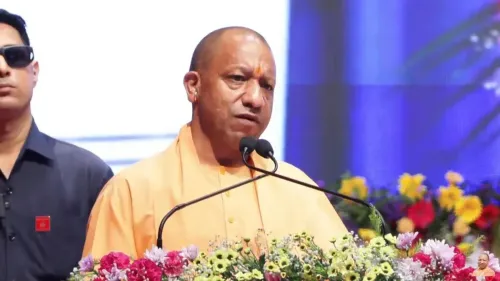
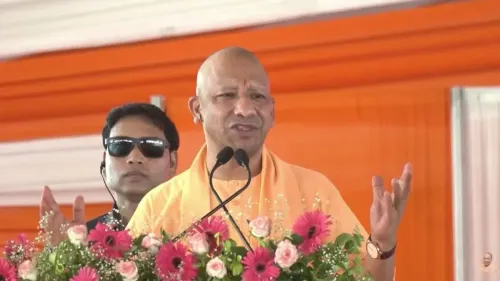
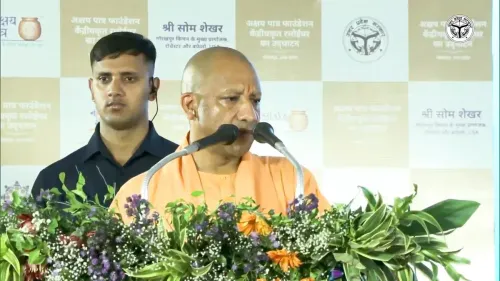
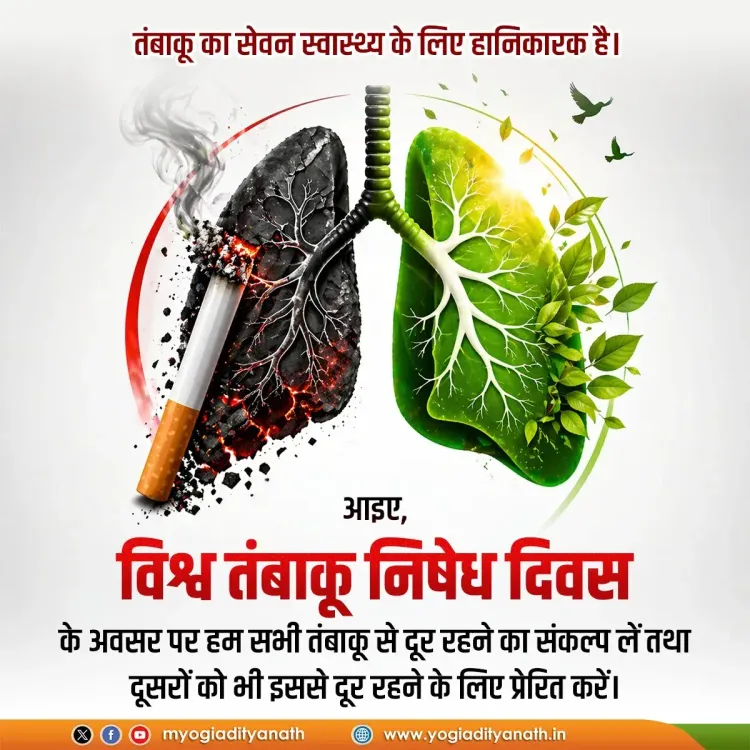
Uttar Pradesh Chief Minister Yogi Adityanath on Sunday, 31 May 2026, marked World No Tobacco Day by calling on citizens to renounce tobacco use and inspire others to do the same, warning that the habit inflicts not only incurable disease but also severe economic and social harm on families.
Context
In his post, CM Yogi wrote in Hindi: 'तंबाकू का सेवन न केवल असाध्य बीमारियों का कारण बनता है, बल्कि यह परिवार पर गंभीर आर्थिक एवं सामाजिक प्रभाव भी डालता है' — 'Tobacco consumption not only causes incurable diseases, it also places a serious economic and social burden on the family.' He urged every citizen to pledge, on the occasion of World No Tobacco Day, to stay away from tobacco and to motivate others to do the same, towards building 'a healthy and empowered society.'
World No Tobacco Day is observed globally on 31 May every year under the auspices of the World Health Organization (WHO) to highlight the health and economic damage caused by tobacco products. India is among the world's largest tobacco-consuming nations, making state-level messaging on this date particularly significant.
Policy Backdrop
India enacted the Cigarettes and Other Tobacco Products Act (COTPA) in 2003, regulating the sale, advertising, and packaging of tobacco products nationwide. The National Tobacco Control Programme, launched in 2007-08, was designed to operationalise COTPA across all states, including Uttar Pradesh.
India ratified the WHO Framework Convention on Tobacco Control in 2004, committing to a suite of measures including taxation, advertising bans, and public awareness. Uttar Pradesh, as India's most populous state, has periodically enforced bans on smokeless tobacco products such as gutkha and has conducted anti-tobacco awareness drives through its state health department.
Stakeholders and Impact
The message is aimed most directly at Uttar Pradesh's large rural population, where smokeless tobacco use — including gutkha, khaini, and pan masala — is widespread and often linked to oral cancers and cardiovascular disease. Rural households bear a disproportionate financial burden when a breadwinner develops a tobacco-related illness, a point CM Yogi explicitly acknowledged in his post.
State health departments, frontline health workers under programmes such as Ayushman Bharat, and civil-society groups working on tobacco cessation are the key institutional stakeholders who typically amplify such public messaging into ground-level campaigns.
What's Next
Annual leader statements on 31 May have consistently aligned state messaging with the WHO calendar, but their policy weight depends on the enforcement actions that follow. Observers will watch for any fresh Uttar Pradesh government notifications on COTPA compliance, product bans, or tobacco taxation in the weeks after the 2026 observance. A sustained push would require integration of cessation support into the state's primary healthcare infrastructure — a metric that public health advocates are likely to track through the remainder of the year.
Point of View
High-visibility form of health communication. The explicit mention of economic and social harm, not just health risk, signals an attempt to broaden the appeal beyond urban health-conscious audiences to rural households where tobacco use is deeply habitual. The real test of political will, however, lies in post-observance enforcement: whether Uttar Pradesh issues fresh COTPA directives or strengthens cessation infrastructure will determine whether this statement is a standalone gesture or part of a sustained policy push. Given the state's scale — and its historically high smokeless tobacco consumption — even incremental enforcement gains would carry significant national weight.
NationPress
20 Sept 2026
Frequently Asked Questions
Why is World No Tobacco Day celebrated on 31 May?
World No Tobacco Day is observed on 31 May every year as designated by the World Health Organization (WHO) to raise global awareness about the health risks of tobacco use and to advocate for effective policies to reduce consumption.
What did CM Yogi say on World No Tobacco Day 2026?
CM Yogi Adityanath urged citizens to pledge to stay away from tobacco on World No Tobacco Day 2026 , stating that tobacco causes incurable diseases and places serious economic and social burdens on families, and called on people to inspire others to do the same.
What is COTPA and how does it apply in Uttar Pradesh?
COTPA , or the Cigarettes and Other Tobacco Products Act, was enacted by India in 2003 to regulate the sale, advertising, and packaging of tobacco products. Uttar Pradesh is bound by its provisions and has periodically enforced bans on smokeless tobacco products such as gutkha under this law.
Is tobacco use a major health problem in Uttar Pradesh?
Yes, Uttar Pradesh has high rates of smokeless tobacco use — including khaini, gutkha, and pan masala — particularly in rural areas, contributing to elevated rates of oral cancer and cardiovascular disease and placing significant financial strain on affected households.
What is India's commitment to tobacco control internationally?
India ratified the WHO Framework Convention on Tobacco Control in 2004 , committing to measures including tobacco taxation, advertising bans, and public awareness campaigns, complementing the domestic COTPA framework and the National Tobacco Control Programme launched in 2007-08 .