Jaishankar meets UK PM Burnham at CHOGM 2026, talks CETA
Synopsis
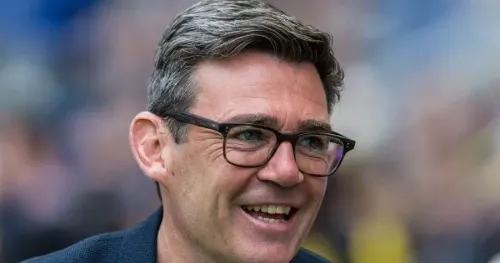
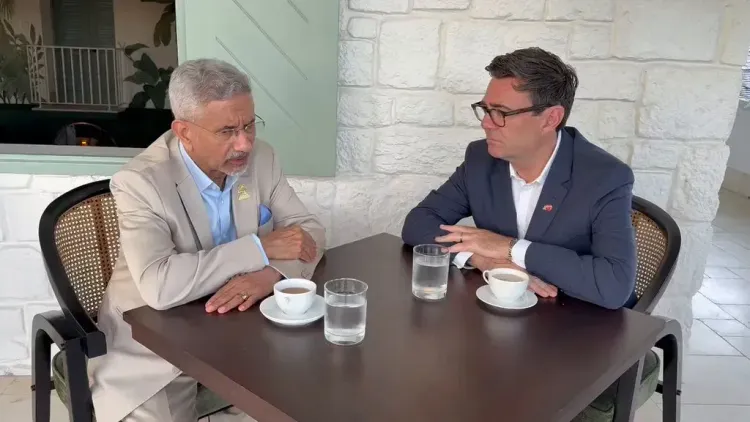
EAM Dr. S. Jaishankar met UK Prime Minister Andy Burnham at CHOGM 2026, conveying PM Modi's warm wishes and discussing progress on the India-UK Comprehensive Economic and Trade Agreement alongside the broader global landscape.
Key Takeaways
Jaishankar met UK Prime Minister Andy Burnham on the sidelines of CHOGM 2026 on November 5, 2026 .
Jaishankar conveyed Prime Minister Narendra Modi's warm wishes to the UK PM.
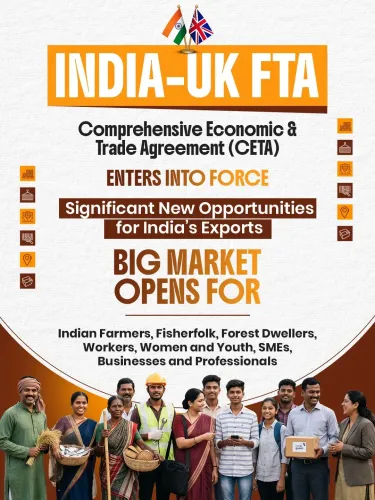
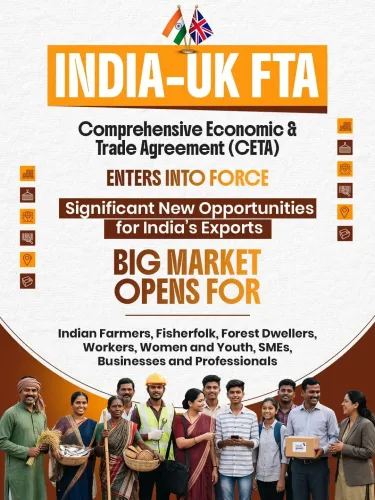
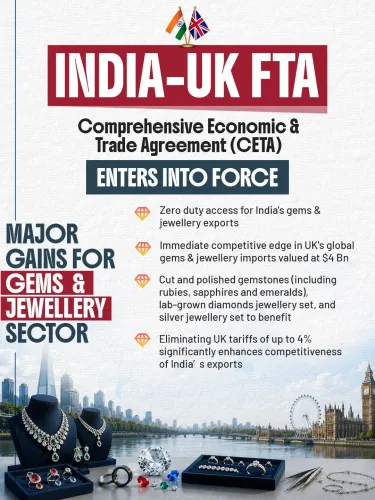
The meeting focused on advancing the India-UK Comprehensive Economic and Trade Agreement (CETA) , negotiations for which were formally launched in January 2022 .
The two leaders also discussed the broader global geopolitical landscape.
India has used multilateral forums like CHOGM to stack strategic bilateral engagements, maximising diplomatic reach.
Post-Brexit, the UK has prioritised deeper ties with India to replace EU trade frameworks.
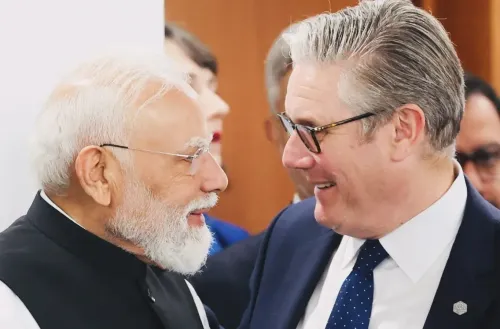
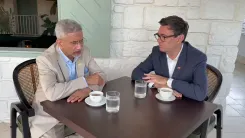
On the sidelines of CHOGM 2026, Union External Affairs Minister Dr. S. Jaishankar held a bilateral meeting with United Kingdom Prime Minister Andy Burnham on Thursday, November 5, 2026 — using one of the Commonwealth's most consequential gathering grounds to push forward an India-UK economic agenda that has been years in the making.
Jaishankar conveyed the warm wishes of Prime Minister Narendra Modi and anchored the conversation around two distinct threads: the progress of the proposed Comprehensive Economic and Trade Agreement (CETA) between India and the UK, and the broader global landscape — diplomatic shorthand for the shifting geopolitical currents both nations are navigating simultaneously.
CETA: the deal that has been four years in the making
India and the UK formally launched free trade agreement negotiations in January 2022 — a move that carried particular urgency for London, which needed to rebuild bilateral trade frameworks after leaving the European Union. For New Delhi, a deal with the UK represented a western anchor in its broader strategy of diversifying economic partnerships beyond traditional blocs.
The agreement, branded CETA in Indian diplomatic parlance, holds the promise of opening UK markets to Indian goods, services, and skilled workers, while giving British investors greater access to one of the world's fastest-growing large economies. Indian exporters in sectors like textiles, pharmaceuticals, and IT services have watched each negotiating round closely. So have UK financial and professional services firms eyeing India's expanding middle class.
Why CHOGM matters as a diplomatic venue
The Commonwealth Heads of Government Meeting (CHOGM), held biennially, brings together leaders from across the 56-nation Commonwealth bloc — making its sidelines some of the most productive real estate in multilateral diplomacy. For India and the UK, two of the Commonwealth's most prominent members, it offers a natural venue to hold structured bilateral conversations outside the formality of a dedicated state visit.
Jaishankar's meeting with Burnham fits a broader Indian pattern: using multilateral forums to stack multiple bilateral engagements, maximising diplomatic bandwidth without the protocol overhead of standalone summits. The reference to the 'global landscape' in his post signals that the conversation extended beyond trade — likely touching on shared concerns around security, connectivity, and the architecture of a multipolar world.
Modi's message through Jaishankar
The deliberate mention of conveying PM Modi's warm wishes is more than diplomatic courtesy — it signals prime ministerial-level attention to the India-UK relationship and sets the tone for where the two governments want to take bilateral ties. It also keeps the channel warm ahead of any potential leaders-level engagement that CHOGM 2026 may facilitate.
With CETA negotiations still ongoing and the global order under pressure from multiple directions, Jaishankar's brief sideline meeting may carry longer consequences than its informal setting suggests.
Point of View
Lending political weight to what might otherwise read as a routine encounter. For the UK, still recalibrating its global trade architecture post-Brexit, keeping India engaged at CHOGM is itself a strategic necessity.
NationPress
5 Nov 2026
Frequently Asked Questions
What is CETA between India and the UK?
CETA stands for the Comprehensive Economic and Trade Agreement — a proposed free trade agreement between India and the United Kingdom. Negotiations were formally launched in January 2022 and aim to expand bilateral trade in goods, services, and investment.
Why did Jaishankar meet UK PM Andy Burnham at CHOGM 2026?
EAM Jaishankar met UK Prime Minister Andy Burnham to convey PM Modi's warm wishes and to discuss strengthening the India-UK economic partnership, particularly in the context of the ongoing CETA negotiations, as well as broader global issues.
What is the current status of India-UK free trade agreement talks?
India and the UK launched formal free trade agreement negotiations in January 2022. While multiple rounds of talks have taken place, the agreement — referred to as CETA on the Indian side — had not been concluded as of November 2026, with both sides continuing to negotiate.
How important is India's relationship with the UK post-Brexit?
Post-Brexit, the UK has actively pursued closer economic ties with India to replace frameworks previously covered under EU arrangements. India is one of the UK's priority trade partners, and platforms like CHOGM provide regular opportunities for high-level dialogue between the two governments.