India-UK CETA from July 15: Goyal highlights trade and innovation gains

Synopsis
The India-UK CETA kicks in on 15 July, and Commerce Minister Piyush Goyal's London visit made clear this is more than a trade deal — it is a blueprint for professional mobility, research collaboration, and diaspora-led economic diplomacy. The engagement with chartered accountants, university researchers, and education groups signals India is betting on people-to-people channels, not just tariff cuts, to make the agreement work.
Key Takeaways
The India-UK CETA comes into effect on 15 July , covering trade, investment, innovation, and professional mobility.
Commerce Minister Piyush Goyal met the Indian diaspora and business community in London on 28 June to highlight the agreement's opportunities.
Goyal urged ICAI UK Chapter members to leverage their expertise to maximise gains from the CETA for both economies.
Discussions with University of Warwick's WMG and GEDU Global Education focused on industry-academia partnerships and higher education collaboration.
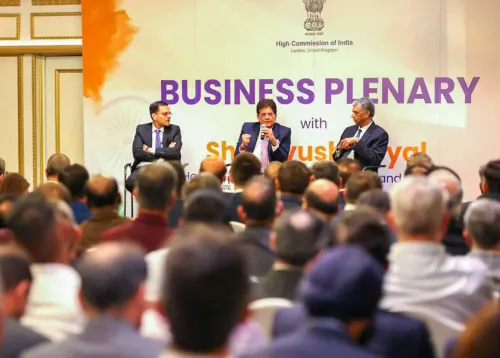
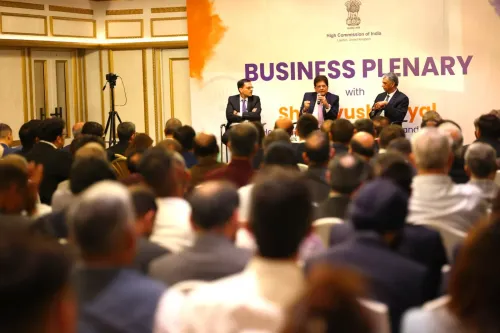
At the 'India-UK: Partners in Progress Business Plenary' , Goyal called on Indian companies to translate CETA provisions into sustained business growth.
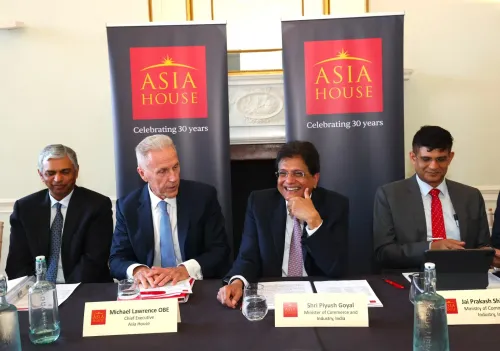
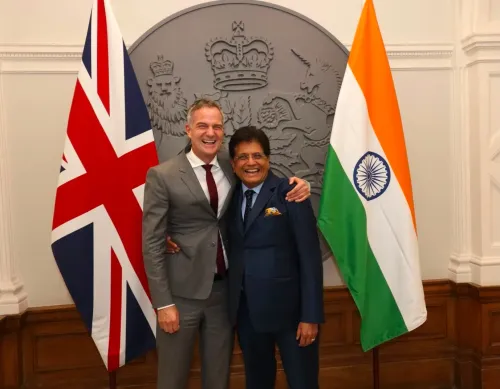
Commerce and Industry Minister Piyush Goyal on 28 June underscored the transformative potential of the India-UK Comprehensive Economic and Trade Agreement (CETA), set to take effect on 15 July, during a series of high-level engagements with the Indian diaspora, business leaders, and academics in London. The minister described the pact as a landmark opportunity to deepen bilateral collaboration across trade, investment, and innovation, with benefits projected to flow to both nations.
Diaspora as a Living Bridge
Addressing the Indian diaspora and business community in London, Goyal emphasised the community's role in reinforcing economic, cultural, and people-to-people ties between the two countries. 'Spoke about the vital role of the diaspora as a living bridge between India and the United Kingdom, strengthening economic, cultural, and people-to-people ties,' Goyal posted on X.
He also met members of the ICAI UK Chapter — the overseas arm of the Institute of Chartered Accountants of India — stressing that the chartered accountant community would be pivotal in strengthening economic linkages. Goyal urged professionals to leverage their skills and expertise to maximise the opportunities the CETA unlocks for both economies.
Industry-Academia Collaboration in Focus
In a separate engagement, Goyal held discussions with Professor Siddartha Khastgir, Head of Safe Autonomy at the Warwick Manufacturing Group (WMG), University of Warwick, on advancing research-driven innovation and deepening industry-academia ties. 'A vibrant innovation ecosystem is instrumental in nurturing breakthrough ideas, building globally competitive industries, and shaping the technologies of the future for India and the world,' Goyal said.
He also met Dr Vishwajeet Rana, Group CEO of GEDU Global Education, to explore avenues for strengthening India-UK collaboration in higher education, skills development, and innovation. The CETA's provisions were discussed as a framework to foster stronger industry-academia partnerships and create shared growth opportunities.
Business Plenary: Translating Pact into Growth
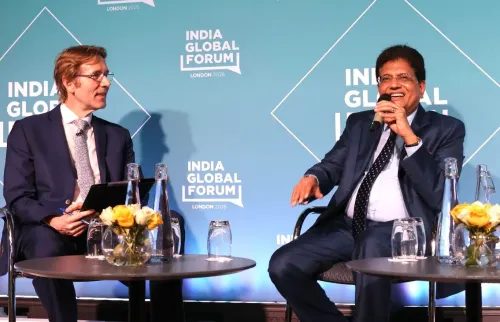
Earlier in London, Goyal addressed the 'India-UK: Partners in Progress Business Plenary', urging Indian companies to deepen engagement with their UK counterparts and convert the CETA's provisions into sustained business outcomes. He highlighted the agreement's scope — covering bilateral trade, technology partnerships, and resilient supply chain integration — as significant levers for long-term economic cooperation.
This comes amid growing momentum in India-UK economic ties, with the CETA representing years of negotiations and a strategic pivot toward a rules-based bilateral trade architecture. Notably, the agreement is among the most comprehensive trade deals India has signed in recent years, covering services, goods, and professional mobility.
What Comes Next
With the CETA effective from 15 July, businesses and professionals on both sides are expected to begin operationalising its provisions in the coming weeks. Industry bodies and professional associations have been urged to prepare frameworks that translate the agreement's terms into concrete commercial and career opportunities. The pace of implementation will be closely watched as a signal of the deal's real-world impact.
Point of View
Yet the real test lies in implementation speed and professional mobility uptake — areas where past India trade deals have stalled. Goyal's focus on chartered accountants, university researchers, and education firms suggests a deliberate strategy to build bottom-up momentum through professional communities rather than waiting for government-to-government machinery to move. That is a smarter approach, but it also means accountability is diffuse. Without sector-specific timelines and measurable trade targets, the risk is that the agreement becomes another well-celebrated signing that underperforms on ground-level outcomes.
NationPress
26 Sept 2026
Frequently Asked Questions
What is the India-UK CETA and when does it take effect?
The India-UK Comprehensive Economic and Trade Agreement (CETA) is a landmark bilateral trade pact covering goods, services, investment, technology partnerships, and professional mobility. It is set to take effect on 15 July, following years of negotiations between the two countries.
What did Commerce Minister Piyush Goyal discuss in London?
Goyal met the Indian diaspora, ICAI UK Chapter members, University of Warwick researchers, and education firm GEDU Global Education to highlight the CETA's opportunities. He also addressed the 'India-UK: Partners in Progress Business Plenary', urging Indian companies to deepen engagement with UK counterparts.
How does the CETA benefit Indian professionals?
The CETA is expected to create new avenues for Indian professionals, particularly in fields such as chartered accountancy, education, and technology. Goyal urged professionals to leverage their skills and expertise to capitalise on the agreement's provisions for greater mobility and collaboration.
What role does the Indian diaspora play in the India-UK CETA?
Goyal described the diaspora as a 'living bridge' between India and the UK, strengthening economic, cultural, and people-to-people ties. The diaspora is seen as a key channel for translating the CETA's provisions into real business and professional outcomes on both sides.
What sectors does the India-UK CETA cover?
The agreement spans bilateral trade in goods and services, investment, technology partnerships, innovation, resilient supply chains, higher education, and skills development. Industry-academia collaboration was also highlighted as a key area of focus under the pact.