CM Dhami Hails India–UK CETA as Historic Trade Milestone
Synopsis
Uttarakhand CM Pushkar Singh Dhami on 15 July 2026 hailed the India–UK Comprehensive Economic and Trade Agreement coming into force, saying it will boost exports, empower MSMEs, and create new openings for Indian professionals — a milestone he attributed to PM Modi's economic diplomacy.
Key Takeaways
The India–UK Comprehensive Economic and Trade Agreement (CETA) came into force on 15 July 2026 .
Uttarakhand CM Pushkar Singh Dhami credited PM Narendra Modi's visionary leadership for the agreement.
MSMEs and Indian professionals are among the key beneficiaries cited by Dhami.
Negotiations were formally launched in January 2022 under the UK–India Roadmap 2030 .
The pact aligns with India's broader Viksit Bharat 2047 development vision and a string of FTAs with UAE , Australia , and others.
Sector-specific tariff schedules and services commitments will be closely watched during the rollout phase.
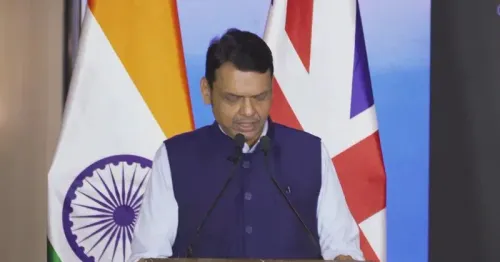
Uttarakhand Chief Minister Pushkar Singh Dhami on Wednesday, 15 July 2026, welcomed the coming into force of the India–UK Comprehensive Economic and Trade Agreement (CETA), calling it a landmark achievement that reflects India's rising global stature and the visionary leadership of Prime Minister Narendra Modi.
Context
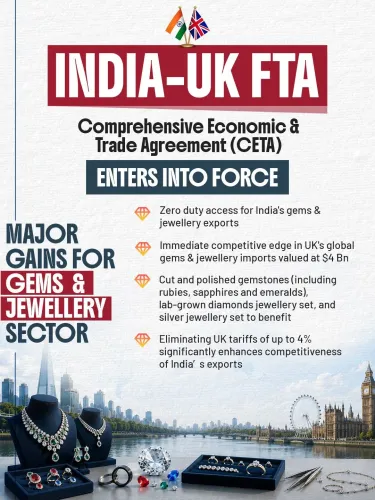
CM Dhami posted on X that the India–UK CETA 'marks a historic milestone in bilateral relations,' crediting PM Modi's leadership for strengthening India's global partnerships while advancing national interests and driving inclusive economic growth. He added that the agreement would 'boost exports, strengthen MSMEs, create new opportunities for Indian businesses and professionals, and further deepen the strategic economic partnership between India and the United Kingdom.'
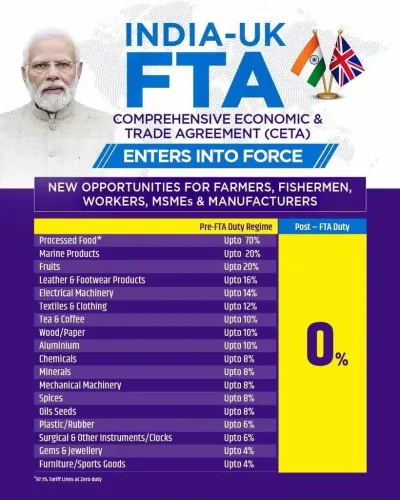
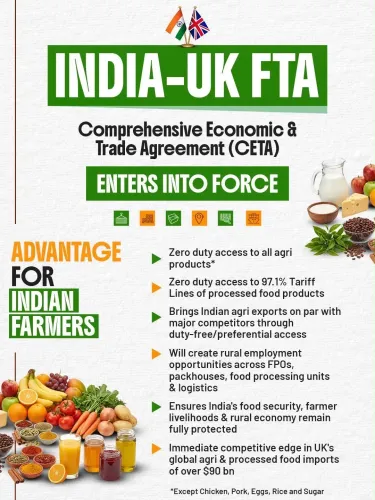
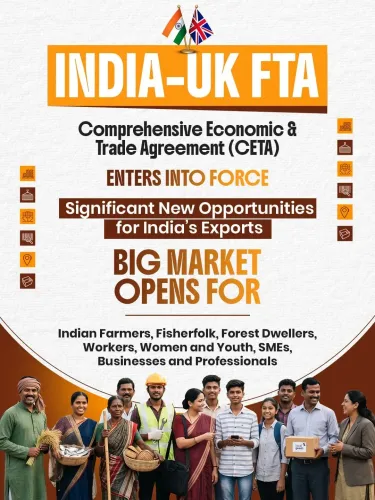
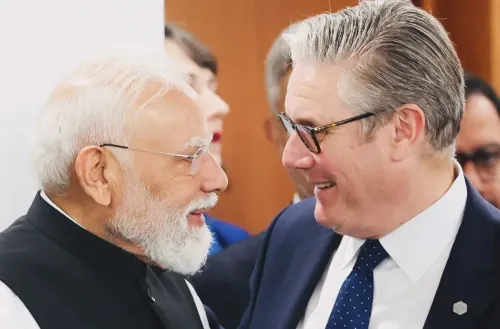
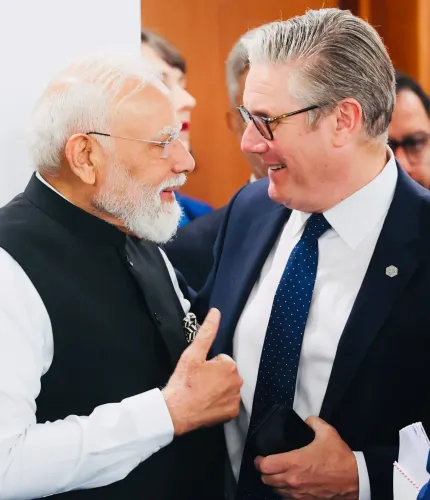
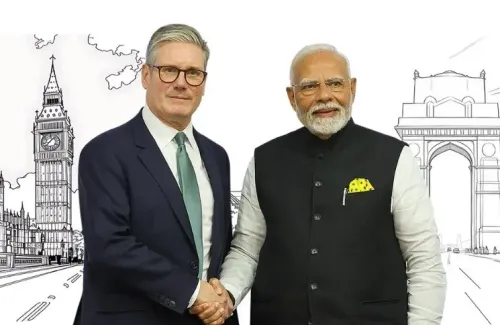
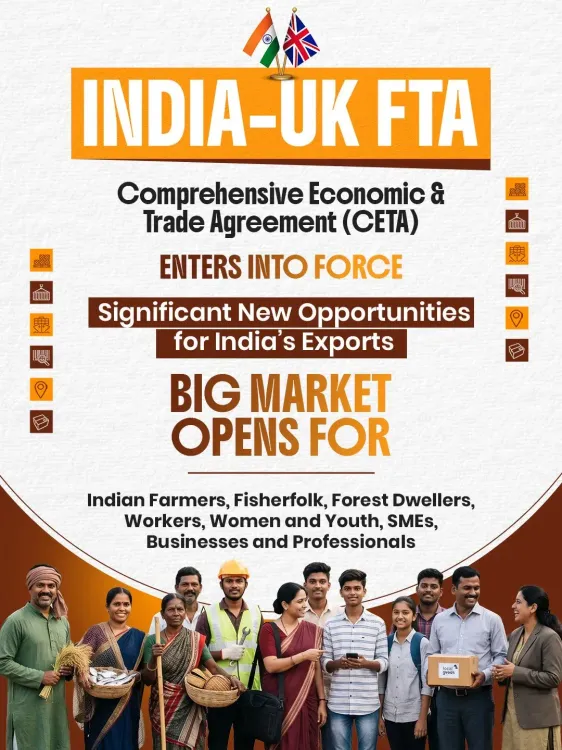
The post, tagged #IndiaUKFTA, was accompanied by four images and reflects a wider chorus of endorsements from BJP leaders across states as the agreement formally took effect.
Policy Backdrop
Formal negotiations for the India–UK CETA were launched in January 2022, following the UK–India Roadmap 2030 agreed in 2021. The pact aims to liberalise bilateral goods, services, and investment flows between the two economies, which share deep historical, cultural, and commercial ties.
The agreement fits squarely within India's broader strategy of concluding free trade agreements with major partners — including deals already advanced with the UAE and Australia — to diversify export markets and integrate into global value chains. All of these pacts are anchored to the long-term Viksit Bharat 2047 development vision, which targets India becoming a developed economy by the centenary of its independence.
Trade agreements of this scale typically pair economic liberalisation with complementary cooperation in strategic sectors such as defence and technology, a pattern that has characterised India's recent bilateral diplomacy with Western partners.
Stakeholders and Impact
MSMEs — micro, small, and medium enterprises — are among the most prominently cited beneficiaries, given that reduced tariff barriers and improved market access can open UK supply chains to smaller Indian manufacturers who previously lacked the scale to absorb trade costs. Indian professionals are also expected to gain from enhanced mobility and mutual recognition provisions typically embedded in comprehensive trade agreements.
For the United Kingdom, the agreement represents a post-Brexit opportunity to deepen economic ties with one of the world's fastest-growing major economies. Sector-specific tariff schedules and services commitments will determine the precise distribution of gains across industries in both countries during the rollout phase.
Uttarakhand, like other Indian states, stands to benefit indirectly through improved export prospects in sectors such as pharmaceuticals, textiles, and agro-processing — industries with a presence in the state's industrial corridors.
What's Next
Attention will now turn to the implementation architecture: sector-specific tariff phase-down schedules, services-market commitments, and any parliamentary review or scrutiny mechanisms in either country. Industry bodies and exporters are expected to study the fine print to identify early-mover advantages.
As India continues to advance its trade diplomacy under the Viksit Bharat framework, the India–UK CETA is likely to serve as a template — and a political benchmark — for future comprehensive agreements with other major economies, reinforcing New Delhi's positioning as an indispensable node in global trade architecture.
Point of View
If it delivers on market-access promises, could meaningfully benefit MSME exporters — a constituency both politically and economically significant. However, the real test lies in implementation: tariff phase-down timelines and services-mobility provisions will determine whether the deal's benefits are broad-based or concentrated in a few sectors. The broader pattern of pairing such agreements with defence and technology cooperation suggests New Delhi is building layered strategic relationships, not just transactional trade links.
NationPress
14 Oct 2026
Frequently Asked Questions
What is the India–UK CETA and when did it come into force?
The India–UK Comprehensive Economic and Trade Agreement (CETA) is a bilateral pact to liberalise goods, services, and investment flows between India and the United Kingdom. It came into force on 15 July 2026.
How will the India–UK free trade agreement benefit MSMEs?
The agreement is expected to lower tariff barriers and improve market access, enabling micro, small, and medium enterprises to enter UK supply chains that were previously difficult to access due to trade costs.
What did CM Pushkar Singh Dhami say about the India–UK CETA?
CM Dhami said the agreement 'marks a historic milestone in bilateral relations,' adding that it will boost exports, strengthen MSMEs, and create new opportunities for Indian businesses and professionals.
When did India and the UK start free trade agreement negotiations?
Formal negotiations for the India–UK trade agreement were launched in January 2022, following the UK–India Roadmap 2030 agreed in 2021.
How does the India–UK CETA connect to Viksit Bharat?
The agreement is part of India's broader strategy to integrate into global value chains and diversify export markets, all anchored to the Viksit Bharat 2047 vision of making India a developed economy by its centenary of independence.