Trump says new White House ballroom is missile-proof, drone-proof

Synopsis
Trump stood at a construction site and declared the new White House ballroom missile-proof, drone-proof, and bulletproof — a venue for 2,500 guests with five storeys of underground military facilities and a rooftop drone port. Entirely privately funded, it may be the most fortified state dining hall ever built, and Trump says the hardest work is already done underground.
Key Takeaways
Donald Trump described the new White House ballroom as missile-proof, drone-proof, and bulletproof during a site visit on Wednesday .
The ballroom is designed to host dinners for 2,000 to 2,500 guests , including foreign leaders from China and Russia .
The structure extends five storeys underground , incorporating military facilities requested for decades.
The roof is designed as a drone port capable of holding more than 100 drones and can reportedly support helicopters.
The project is entirely funded by private donors , with Trump saying 'we didn't use taxpayers money.' A potential completion date of around July 2026 was mentioned, though no fixed date was confirmed.
US President Donald Trump on Wednesday unveiled sweeping security claims for the new White House ballroom under construction, describing it as a fortified venue capable of withstanding drone strikes, bullets, and missile attacks — and said the project was running ahead of schedule and under budget.
What Trump Said at the Site
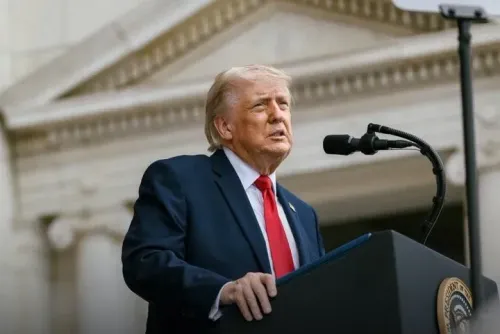
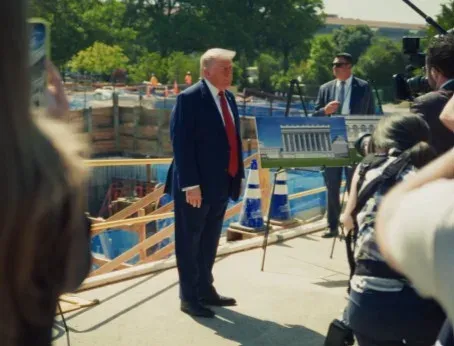
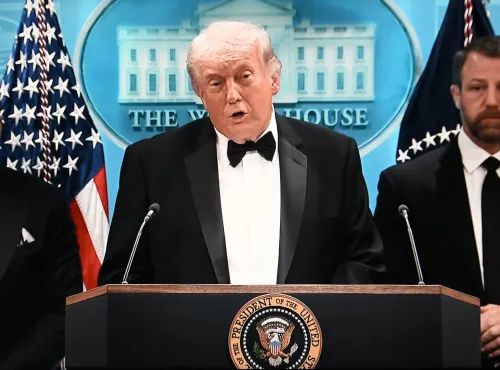
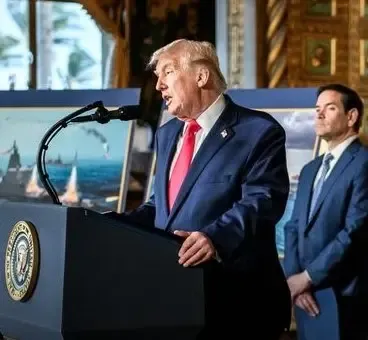
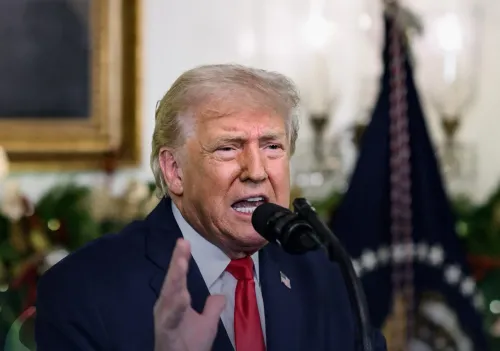
Standing at the construction site as workers prepared to raise the final structural steel beam, Trump told reporters and more than 500 construction workers gathered for the occasion that the building would be far more than a ceremonial hall. 'It's drone proof, it's missile proof, it's bulletproof,' he said, describing a roof, walls, and windows he claimed could withstand attacks. 'This is the safest place in Washington,' he added, asserting that the reinforced roof could even support helicopters.
Scale and Design Details
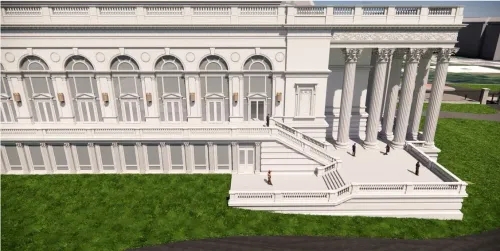
Trump said the ballroom would be capable of hosting dinners for 2,000 to 2,500 guests, providing what he called extraordinary security for the President and visiting foreign leaders, including those from China and Russia. The building's ceiling, he said, would rise more than 50 feet — comparable to a five-storey structure. Outside, tall Corinthian limestone columns were being prepared, while the interior would feature marble flooring and extensive glass. A glass passage would link the new ballroom to the existing White House spaces, with the kitchen positioned below the main floor to preserve views and usable area.
Underground Facilities and Military Use
Trump also described extensive work below ground, saying the project extended five storeys beneath the building and that the military had used the opportunity to incorporate facilities it had wanted for decades. 'We did everything they wanted,' he said, without providing specifics of the underground arrangements. He also said the roof was being designed as a drone port capable of holding more than 100 drones, and described the building's steel framework as unusually heavy.
Privately Funded, No Taxpayer Money
Trump stated that private donors were paying for the project in its entirety. 'We didn't use taxpayers money to build this ballroom,' he said, describing it as a gift to the country. He signed the final structural beam alongside workers at the ceremony. Trump cited the existing White House reception space as too small for large state events, recalling an instance when he was unable to accommodate hundreds of guests during a visit by King Charles.
Timeline and Historical Context
Although Trump indicated the ballroom would eventually open, he did not announce a fixed completion date. In an exchange with reporters, he suggested it could be ready around July of the following year, depending on finishing work. Construction of the original White House began in 1792, with the first US President moving in in 1800. The complex has since undergone repeated extensions, restorations, and security upgrades as the demands of the Presidency have evolved. This latest addition represents one of the most significant structural expansions in the building's modern history.
Point of View
Drone-proof, bulletproof, with a five-storey underground military complex — are extraordinary and entirely unverified by independent sources. The absence of technical specifications or third-party confirmation makes the security assertions difficult to assess at face value. What is notable is the framing: a state venue described in the language of a military bunker, privately funded and explicitly designed to host adversarial world leaders safely. Whether the claims hold up architecturally is a separate question from the political signal they send — that Washington's ceremonial diplomacy now comes wrapped in fortress logic.
NationPress
5 Nov 2026
Frequently Asked Questions
What is the new White House ballroom Trump is building?
It is a large new event venue being constructed at the White House grounds, designed to host state dinners for 2,000 to 2,500 guests. Trump has described it as missile-proof, drone-proof, and bulletproof, with a rooftop drone port and five storeys of underground military facilities.
Who is paying for the new White House ballroom?
Trump stated that private donors are funding the project entirely. 'We didn't use taxpayers money to build this ballroom,' he said, calling it a gift to the country.
When will the new White House ballroom be completed?
No fixed completion date has been announced. Trump suggested it could be ready around July of the following year, depending on how finishing work progresses.
Why is a new White House ballroom needed?
Trump cited the existing White House reception space as too small for large state events, recalling that he was unable to accommodate hundreds of guests during a visit by King Charles. The new venue is intended to handle much larger diplomatic gatherings.
What are the underground features of the new White House ballroom?
Trump said the construction extends five storeys below ground and that the military used the project to incorporate facilities it had sought for decades. He did not provide specifics about the underground arrangements.