India-UK CETA to take effect July 15: Modi hails historic trade milestone
Synopsis
India and the UK have set a firm date — 15 July 2026 — for one of the most ambitious bilateral trade agreements either country has signed in recent years. Announced by PM Modi at the G7 in Evian alongside PM Starmer, the CETA covers tariffs, services, MSMEs, and strategic sectors, and is expected to significantly expand a trade relationship already worth over £36 billion.
Key Takeaways
PM Narendra Modi announced the India-UK CETA will enter into force on 15 July 2026 , at the G7 Summit in Evian .
Bilateral trade between India and the UK stood at over £36 billion in 2025 ; the deal is expected to expand this significantly.
Key sectors covered include technology , pharmaceuticals , renewable energy , and financial services .
The pact will also benefit Indian farmers , workers , MSMEs , startups , and innovators , according to Modi.
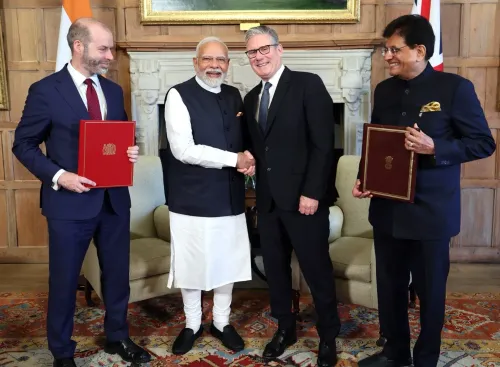
Official ceremonies marking the agreement’s entry into force will be held in both New Delhi and London on 15 July 2026 .
Modi said the deal will contribute to Viksit Bharat 2047 , India’s long-term development vision.
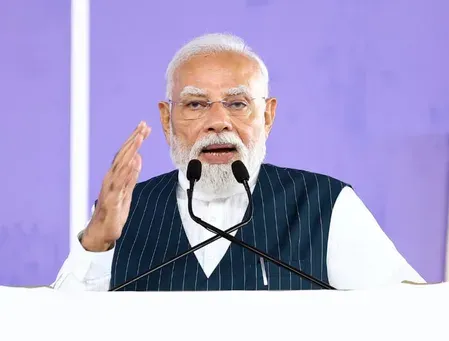
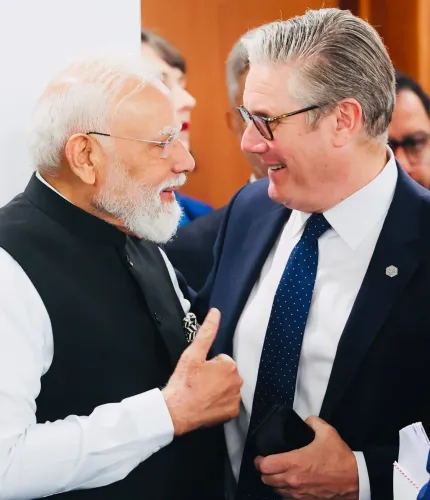
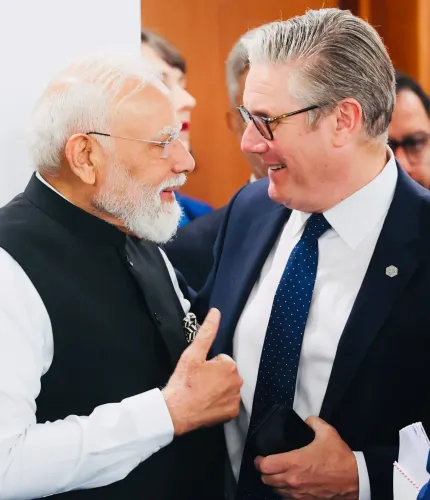
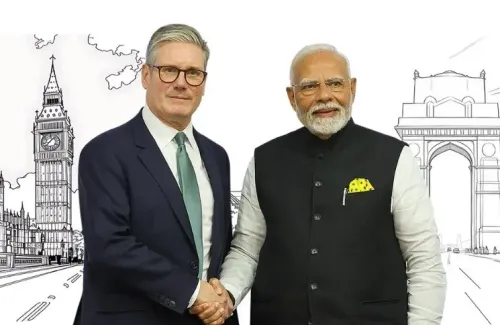
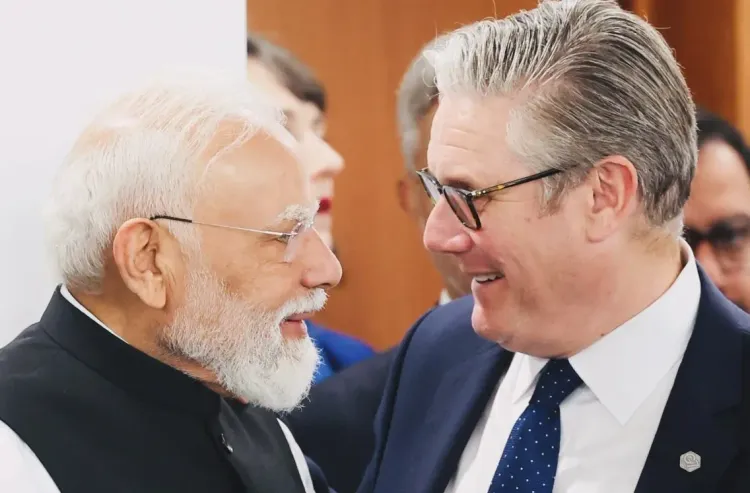
Prime Minister Narendra Modi on Wednesday, 17 June 2026, announced that the India-UK Comprehensive Economic and Trade Agreement (CETA) will formally enter into force on 15 July 2026, calling it a “historic milestone” in bilateral relations. The announcement was made on the sidelines of the G7 Summit in Evian, France, where Modi met with British Prime Minister Keir Starmer.
What the Agreement Covers
The India-UK CETA has been in negotiation for several years, spanning multiple rounds of talks on tariff reductions, market access, services, investment protection, and regulatory cooperation. Officials have described it as one of the most ambitious bilateral trade frameworks India has entered into, designed to deepen economic integration with the United Kingdom in the post-Brexit era.
Key sectors expected to benefit include technology, pharmaceuticals, renewable energy, and financial services. The pact is also expected to open new avenues for Indian farmers, workers, MSMEs, startups, and innovators, according to Modi.
Trade Ties and Economic Stakes
India and the UK already maintain robust economic ties, with bilateral trade valued at over £36 billion in 2025. The new agreement is expected to expand this figure significantly by reducing trade barriers and creating a more predictable environment for businesses on both sides.
Analysts believe the pact will help both nations diversify supply chains, build resilience against global economic shocks, and drive innovation-led growth. It also carries strategic weight, reinforcing India’s role as a key partner to the UK in the Indo-Pacific region.
What the Leaders Said
Modi noted that both he and Prime Minister Starmer were “delighted” with the momentum being added to economic ties. “This agreement will unlock numerous opportunities and strengthen our partnership further,” he said in a message posted on social media.
He further emphasised that the pact would contribute meaningfully to the realisation of Viksit Bharat 2047, India’s long-term development vision.
What Happens on July 15
The agreement’s entry into force on 15 July 2026 will be marked by official ceremonies in both New Delhi and London, underscoring the significance both governments attach to the partnership. The dual ceremonies signal a coordinated diplomatic push to highlight the pact’s importance at the highest levels.
With the CETA now set to take legal effect next month, attention will shift to implementation timelines, sector-specific tariff schedules, and how quickly businesses on both sides can begin capitalising on the new framework.
Point of View
But the harder work begins after the ceremonies. Past bilateral trade agreements India has signed — with ASEAN, for instance — have seen utilisation rates lag well below potential due to rules-of-origin complexity and non-tariff barriers. The £36 billion baseline sounds substantial, but it remains modest relative to India’s trade with the US or China. The real test is whether sector-specific schedules — particularly on pharmaceuticals and services, where Indian exporters have the most to gain — are as open as the headline framing suggests. Starmer’s political capital to push through market-access commitments domestically will also be closely watched.
NationPress
19 Sept 2026
Frequently Asked Questions
What is the India-UK Comprehensive Economic and Trade Agreement (CETA)?
The India-UK CETA is a wide-ranging bilateral trade framework covering tariff reductions, market access, services, investment protection, and regulatory cooperation. It is set to formally enter into force on 15 July 2026, following years of multi-round negotiations.
When does the India-UK trade deal take effect?
The agreement will formally enter into force on 15 July 2026. Official ceremonies marking the occasion will be held simultaneously in New Delhi and London.
What sectors will benefit from the India-UK trade pact?
Key sectors expected to benefit include technology, pharmaceuticals, renewable energy, and financial services. The deal also aims to open new opportunities for Indian farmers, workers, MSMEs, startups, and innovators.
What is the current scale of India-UK bilateral trade?
Bilateral trade between India and the UK was valued at over £36 billion in 2025. The CETA is expected to expand this significantly by reducing barriers and creating a more predictable business environment.
How does this deal connect to India’s broader development goals?
PM Modi stated that the CETA will contribute to Viksit Bharat 2047, India’s long-term vision of becoming a developed nation by its centenary of independence. Analysts also see the pact as reinforcing India’s strategic role in the Indo-Pacific.