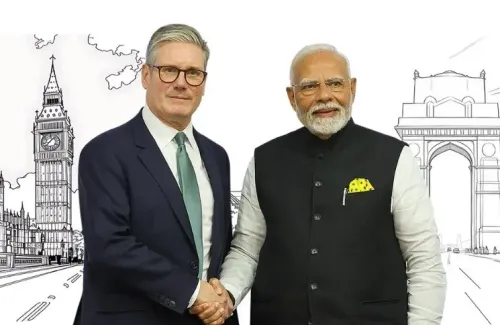
India-UK CETA live from July 15: Modi hails 'historic milestone' at G7
Synopsis
After nearly five years of negotiations, the India-UK CETA goes live on 15 July 2026 — granting duty-free access on 99% of Indian tariff lines and extending social-security relief for Indian professionals from 3 to 5 years. Announced at the G7 in Evian with both PMs present, this is India's most comprehensive bilateral trade pact yet, covering government procurement for the first time.
Key Takeaways
The India-UK Comprehensive Economic and Trade Agreement (CETA) enters into force on 15 July 2026 .
99 per cent of Indian tariff lines will receive immediate duty-free access to the UK market.
The Double Contribution Convention (DCC) also takes effect on 15 July 2026 ; the exemption period is extended from 3 years to 5 years for Indian temporary workers.
CETA spans 30 chapters and includes, for the first time bilaterally, government procurement disciplines alongside digital trade and financial services.
Sensitive sectors — dairy, cereals, millets, edible oils, oilseeds, apples — have been protected from full liberalisation.
The agreement supports the bilateral trade target of $100 billion by 2030 , set under the India–UK Roadmap 2030.
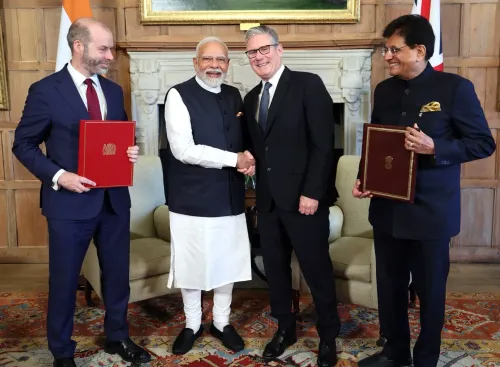
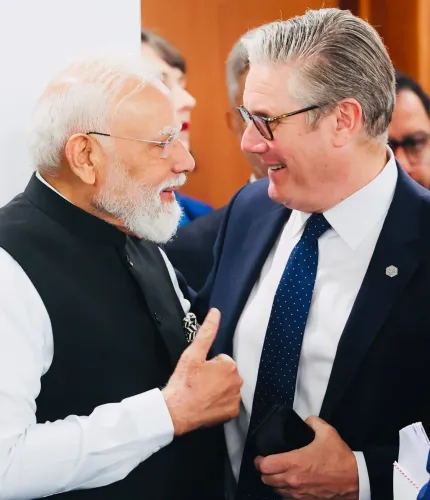
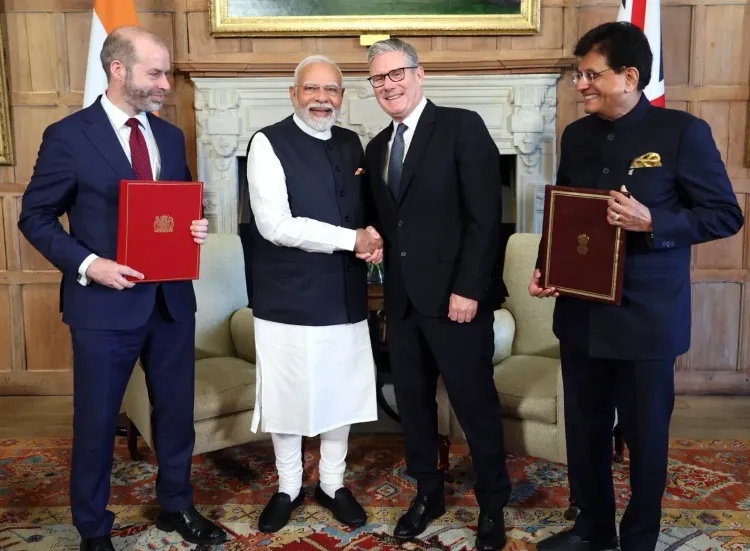
India and the United Kingdom on Wednesday, 17 June 2026, confirmed that the Comprehensive Economic and Trade Agreement (CETA) will enter into force on 15 July 2026, unlocking duty-free access on 99 per cent of Indian tariff lines and reshaping the bilateral trade relationship that both governments have spent nearly five years negotiating. The announcement came as Prime Minister Narendra Modi and UK Prime Minister Keir Starmer were both present at the G7 Summit in Evian.
Key Developments
Alongside the CETA, the Agreement on Social Security — formally known as the Double Contribution Convention (DCC) — will also take effect on 15 July 2026. Critically, the exemption period under the DCC has been extended from 3 years to 5 years, a direct gain for Indian temporary workers in the UK who will no longer face double social-security contributions for a longer window, according to a Commerce Ministry statement.
The CETA spans 30 chapters and goes well beyond conventional tariff reduction. It integrates disciplines covering digital trade, telecommunications, financial services, intellectual property, and — for the first time in any bilateral agreement for India — government procurement.
What PM Modi and Commerce Minister Said
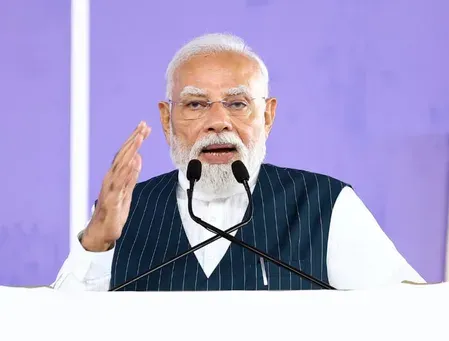
'A historic milestone for India-UK relations. Delighted to note that the India-UK Comprehensive Economic and Trade Agreement will enter into force on 15th July 2026. This agreement will significantly boost our bilateral trade and investment,' Prime Minister Modi said in a post on X from Evian.
Modi added that the pact 'will also unlock numerous opportunities for Indian farmers, workers, MSMEs, startups and innovators and contribute meaningfully to the realisation of Viksit Bharat 2047.'
Commerce and Industry Minister Piyush Goyal said the simultaneous enforcement of CETA and the DCC 'will open up significant new opportunities for India's exports.' He noted that by 'securing immediate duty-free access on 99 per cent of our tariff lines, we have systematically dismantled long-standing tariff walls,' allowing sectors such as textiles, leather, marine products, engineering goods, and processed food to compete on equal footing in the UK market.
Sensitive Sectors Protected
India has carved out protections for politically and economically sensitive categories, including dairy products, cereals, millets, edible oils, oilseeds, apples, and several vegetable products. The carve-outs reflect longstanding concerns about import competition in agriculture, where domestic livelihoods are concentrated.
Background and Road to CETA
The groundwork for the agreement was laid in May 2021 through the Enhanced Trade Partnership and the adoption of the India–UK Roadmap 2030, which set the twin goals of elevating bilateral ties to a Comprehensive Strategic Partnership and doubling bilateral trade to $100 billion by 2030. Formal negotiations spanned multiple rounds across four years before the pact was finalised.
The Commerce Ministry described the operationalisation of CETA and the DCC as 'a structural transformation in India's global trade architecture.' This comes amid a broader Indian push to diversify trade partnerships following the stalling of WTO-level multilateral progress and the rapid expansion of bilateral free-trade agreements with the UAE and Australia in recent years.
What Comes Next
With the 15 July 2026 enforcement date confirmed, exporters in textiles, pharmaceuticals, and engineering will be among the first to benefit from preferential access. Industry bodies are expected to issue sector-specific guidance in the coming weeks. The DCC extension to five years will require Indian companies deploying professionals in the UK to update their social-security compliance frameworks ahead of the deadline.
Point of View
But the real significance lies in two less-discussed elements: the inclusion of government procurement disciplines — a first for India bilaterally — and the DCC extension to five years, which directly reduces the cost of deploying Indian IT and services professionals in the UK. What mainstream coverage underplays is the agricultural carve-out: India's insistence on protecting dairy, millets, and edible oils signals that domestic farm politics still set the ceiling for trade liberalisation, even in a landmark deal. The $100-billion-by-2030 target is ambitious given current bilateral trade levels, and the real test will be whether preferential access translates into actual export diversification or merely formalises existing flows at lower duty.
NationPress
26 Sept 2026
Frequently Asked Questions
What is the India-UK CETA and when does it take effect?
The India-UK Comprehensive Economic and Trade Agreement (CETA) is a 30-chapter bilateral trade pact that enters into force on 15 July 2026. It grants duty-free access on 99 per cent of Indian tariff lines to the UK market and covers goods, services, digital trade, and government procurement.
What is the Double Contribution Convention (DCC) and how does it benefit Indian workers?
The Double Contribution Convention (DCC) is a social-security agreement between India and the UK that prevents Indian temporary workers from paying contributions in both countries simultaneously. From 15 July 2026, the exemption period is extended from 3 years to 5 years, reducing costs for Indian professionals on short-to-medium-term assignments in the UK.
Which Indian sectors will benefit most from the CETA?
Textiles, leather, marine products, engineering goods, and processed food are expected to benefit most, as they will gain immediate duty-free access to the UK market. MSMEs, startups, and innovators are also cited as key beneficiaries under the agreement's services and digital trade chapters.
Are any sectors excluded from the India-UK free trade deal?
Yes. India has protected sensitive agricultural sectors including dairy products, cereals, millets, edible oils, oilseeds, apples, and several vegetable products from full liberalisation under the CETA.
How does CETA fit into India's broader trade strategy?
CETA is part of India's accelerating bilateral free-trade agenda, following deals with the UAE and Australia. It supports the India-UK Roadmap 2030 target of doubling bilateral trade to $100 billion by 2030 and aligns with the government's Viksit Bharat 2047 development vision.