PM Modi Hails India-UK Trade Deal Set for July 2026
Synopsis
Prime Minister Narendra Modi on 17 June 2026 confirmed that the India-UK Comprehensive Economic and Trade Agreement will enter into force on 15 July 2026, marking a historic milestone in bilateral relations and promising to significantly boost trade and investment between the two countries.
Key Takeaways
Prime Minister Narendra Modi announced on 17 June 2026 that the India-UK Comprehensive Economic and Trade Agreement will enter into force on 15 July 2026 .
Negotiations between India and the UK were formally launched in January 2022 as part of both countries' bilateral economic diplomacy priorities.
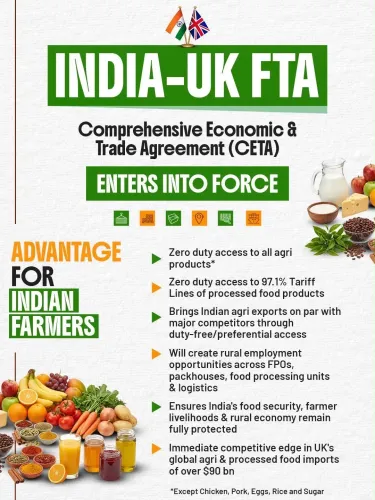
The agreement is expected to significantly boost bilateral trade and investment and unlock new market opportunities in goods, services, and investment.
Key beneficiaries include Indian exporters in textiles, pharmaceuticals, and IT, and UK service-sector firms in finance and professional services.
The deal forms part of India's broader strategy of advancing bilateral FTAs, following agreements with the UAE , Australia , and EAEU partners.
Parliamentary ratification and sector-specific tariff schedule notifications are expected ahead of the July 2026 enforcement date.
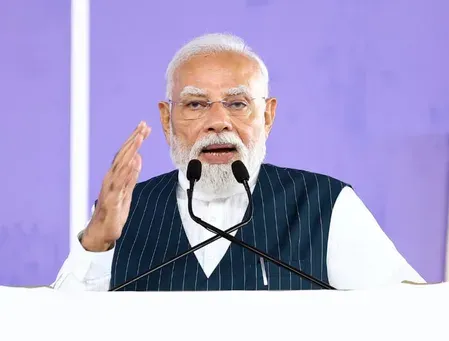
Prime Minister Narendra Modi on Wednesday, 17 June 2026 welcomed the finalisation of the India-UK Comprehensive Economic and Trade Agreement (CETA), announcing that the landmark pact will enter into force on 15 July 2026. The Prime Minister described the development as 'a historic milestone for India-UK relations' and said the agreement would significantly boost bilateral trade and investment while unlocking numerous new opportunities.
Context
Formal negotiations between India and the United Kingdom for a comprehensive free trade agreement were launched in January 2022 during a virtual bilateral summit. The talks were part of a broader effort by both governments to deepen economic ties, with the UK seeking to build standalone trade partnerships following its exit from the European Union, and India pursuing a strategy of diversifying trade relationships beyond traditional multilateral frameworks.
The agreement now has a confirmed enforcement date of 15 July 2026, as stated by Prime Minister Modi in his post on X. It covers goods, services, and investment flows between the two economies.
Policy Backdrop
The India-UK CETA is part of a wider pattern of Indian trade diplomacy that has gathered pace since 2021. India has concluded or advanced free trade agreements with the UAE, Australia, and partners in the Eurasian Economic Union, signalling a deliberate pivot toward bilateral deal-making over slower multilateral negotiations.
For Britain, a trade agreement with India — one of the world's fastest-growing major economies — has been a post-Brexit foreign economic policy priority. The deal is expected to reduce tariffs on a range of goods and open services markets in both directions, benefiting sectors from manufacturing to financial services.
Stakeholders and Impact
Indian exporters in sectors such as textiles, pharmaceuticals, engineering goods, and IT services stand to gain from improved market access to the UK. On the British side, service-sector firms — particularly in finance, education, and professional services — are among the primary beneficiaries expected to tap into India's large and growing consumer and business market.
The agreement is also expected to facilitate greater two-way investment flows, with both governments having signalled intent to simplify regulatory pathways for businesses operating across the two countries. Prime Minister Modi noted that the pact would 'unlock numerous' new opportunities, though specific sectoral details are expected to be notified through tariff schedules ahead of the July 2026 enforcement date.
What's Next
With an enforcement date now confirmed, attention turns to the parliamentary ratification processes in both New Delhi and London, as well as the publication of sector-specific tariff schedules that will govern the agreement's practical operation. Industry bodies in both countries are expected to begin preparing compliance and market-entry frameworks in the weeks ahead.
The coming into force of the India-UK CETA could set a template for India's ongoing trade negotiations with other major economies, reinforcing the country's positioning as a preferred bilateral trade partner in a fragmenting global trade environment.
Point of View
Which has made bilateral free trade agreements a centrepiece of its foreign economic policy since 2021. Coming after years of negotiations that outlasted multiple British prime ministers, the deal underscores India's growing leverage as a preferred trade partner in a post-globalisation world where major economies are actively competing for bilateral access. For the UK, the agreement fulfils a flagship post-Brexit ambition and provides a measure of economic diversification at a time of continued uncertainty around European trade relations. The July 2026 timeline will now test the administrative capacity of both governments to operationalise the pact swiftly through ratification and tariff notification processes.
NationPress
22 Sept 2026
Frequently Asked Questions
What is the India-UK Comprehensive Economic and Trade Agreement?
The India-UK Comprehensive Economic and Trade Agreement (CETA) is a bilateral free trade pact between India and the United Kingdom that aims to reduce tariffs on goods, open services markets, and boost two-way investment. Negotiations were launched in January 2022 and Prime Minister Modi confirmed on 17 June 2026 that it will enter into force on 15 July 2026.
When will the India-UK trade deal come into effect?
According to Prime Minister Narendra Modi's announcement on 17 June 2026, the India-UK Comprehensive Economic and Trade Agreement will enter into force on 15 July 2026.
How will the India-UK FTA benefit India?
The agreement is expected to benefit Indian exporters in sectors such as textiles, pharmaceuticals, engineering goods, and IT services by providing improved market access to the United Kingdom. It is also expected to attract greater British investment into India.
Why did India and the UK sign a free trade agreement?
India has been pursuing bilateral FTAs to diversify its trade partnerships, while the UK sought standalone trade deals with major economies after leaving the European Union. The agreement deepens economic ties between two large, complementary economies.
What happens before the India-UK trade deal enters into force?
Before the 15 July 2026 enforcement date, both countries are expected to complete parliamentary ratification processes and notify sector-specific tariff schedules that will govern how the agreement operates in practice.