G7 Summit: Modi's multi-alignment push yields UK, EU, Canada trade deals
Synopsis
In a single day at Evian, Modi locked in three landmark trade milestones — the India-UK CETA taking effect July 2026, the India-EU FTA concluded after a decade of stalled talks, and India-Canada CEPA back on track after a bitter diplomatic freeze. It is the most consequential multi-lateral trade haul India has achieved in one diplomatic sitting.
Key Takeaways
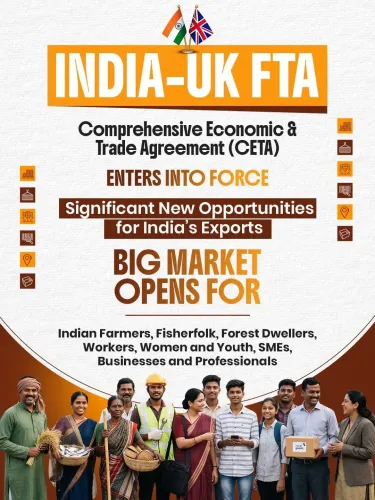
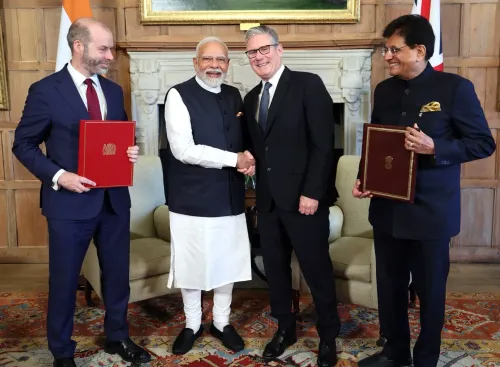
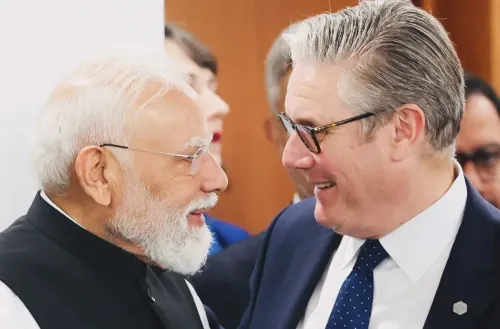
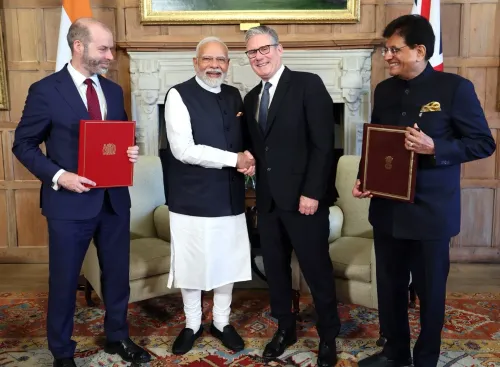
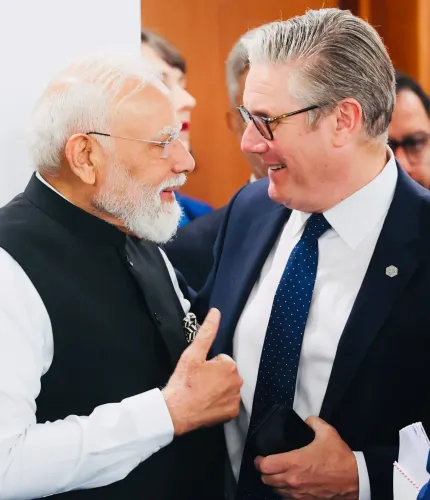
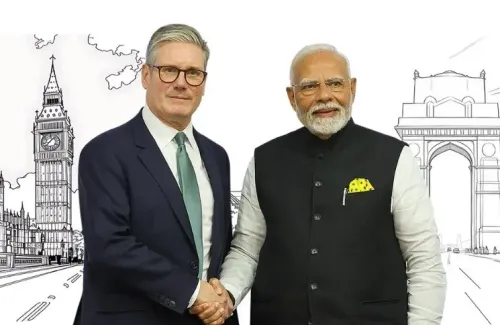
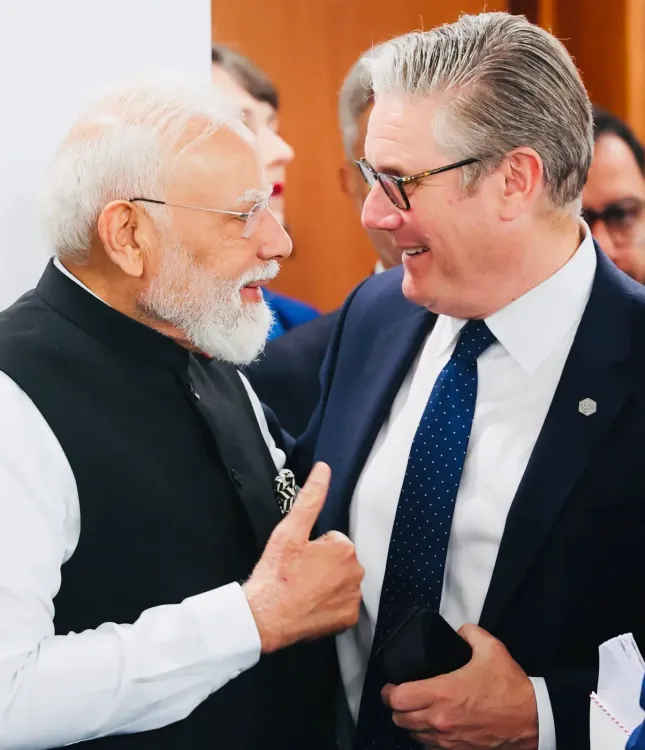
The India-UK Comprehensive Economic and Trade Agreement (CETA) will enter into force on 15 July 2026 , following PM Modi 's bilateral with UK PM Keir Starmer at the G7 Summit, Evian .
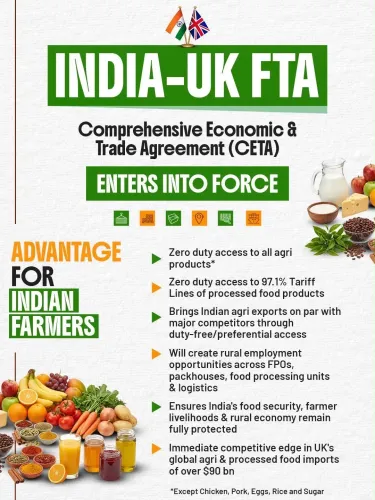
India secured protection for sensitive sectors including dairy , cereals , millets , edible oils , oilseeds , and apples under the CETA.
The India-EU Free Trade Agreement has been concluded; formal signing is expected by end of 2026 , per EU Commission President Ursula von der Leyen .
India and Canada reaffirmed their joint objective of concluding CEPA negotiations in 2026 , following a diplomatic rupture in 2023.
The three deals together mark India's most significant multi-lateral trade advance in a single diplomatic engagement.
Prime Minister Narendra Modi's bilateral meetings at the G7 Summit in Evian, France on 17 June 2026 have produced a cluster of landmark trade commitments with the United Kingdom, the European Union, and Canada — underscoring how India's multi-alignment foreign policy strategy is translating into concrete economic outcomes.
India-UK Trade Deal to Take Effect from July 2026
Following Modi's bilateral with UK Prime Minister Keir Starmer, both sides confirmed that the India-UK Comprehensive Economic and Trade Agreement (CETA) will enter into force on 15 July 2026. The deal is expected to significantly expand bilateral trade and investment flows between the two countries. Notably, India has secured carve-outs for sensitive domestic sectors, including dairy products, cereals, millets, edible oils, oilseeds, apples, and several vegetable products — a key negotiating win that protects Indian farmers from import competition.
The operationalisation of the CETA marks what officials describe as a structural transformation in India's global trade architecture, ending years of stalled negotiations that began in 2011.
India-EU Free Trade Agreement Concluded
In a separate meeting with European Commission President Ursula von der Leyen and European Council President Antonio Costa, both EU leaders confirmed the conclusion of the India-EU Free Trade Agreement. 'Since we have concluded the 'mother of all trade deals', we have been moving fast to deliver on our commitments. We will sign the Free Trade Agreement by the end of the year,' von der Leyen and Costa said.
Modi posted on social media platform X: 'It was wonderful meeting European Council President Antonio Costa and European Commission President Ursula von der Leyen in Evian earlier today.' He added: 'This has been a great time for India-EU ties as we have concluded the Free Trade Agreement. During our talks, we discussed how to further deepen economic linkages in the times to come. Our growing cooperation can play an important role in strengthening peace, stability, and prosperity in today's global environment.'
The India-EU FTA, long considered one of the most complex trade negotiations globally, had been in limbo for over a decade before talks were relaunched in 2022.
India-Canada CEPA Negotiations on Track for 2026 Conclusion
A joint statement issued after Modi's meeting with Canadian Prime Minister Mark Carney noted 'the satisfaction of both leaders with the progress in negotiations towards a Comprehensive Economic Partnership Agreement (CEPA)' and reaffirmed their 'shared objective of concluding the negotiations in 2026.' The India-Canada trade relationship had been severely strained following a diplomatic rupture in 2023, making this reaffirmation a significant signal of normalisation.
What India's Multi-Alignment Strategy Means
The Evian outcomes reflect a deliberate Indian foreign policy posture: engaging major Western economies simultaneously rather than anchoring exclusively to any single bloc. This comes amid a shifting global trade order, with supply chains being restructured away from China and Western economies actively courting India as an alternative manufacturing and services hub.
Taken together, the CETA with the UK, the FTA with the EU, and the progress on CEPA with Canada represent India's most consequential multi-lateral trade advance in a single diplomatic outing. How quickly these agreements translate into on-the-ground investment and job creation will be the real measure of success.
Point of View
Yet they also cap the deal's growth ceiling for two-way agri-trade. The India-EU FTA's 'mother of all trade deals' billing sets expectations that are historically hard to meet: the EU-Mercosur deal took 25 years and is still not ratified. And the India-Canada CEPA reaffirmation, while symbolically important after the 2023 freeze, is still a negotiating target, not a concluded text. Modi's multi-alignment strategy is clearly working at the diplomatic optics level; whether it converts into durable market access and investment flows is a test that will play out over the next 24 months.
NationPress
18 Sept 2026
Frequently Asked Questions
What is the India-UK CETA and when does it take effect?
The India-UK Comprehensive Economic and Trade Agreement (CETA) is a bilateral free trade deal that will enter into force on 15 July 2026, following confirmation at the G7 Summit in Evian. It is expected to significantly boost trade and investment between India and the United Kingdom.
What sectors has India protected under the India-UK CETA?
India has secured exclusions for several sensitive domestic sectors under the CETA, including dairy products, cereals, millets, edible oils, oilseeds, apples, and a range of vegetable products. These carve-outs are designed to shield Indian farmers from direct import competition.
Has the India-EU Free Trade Agreement been signed?
The India-EU FTA has been concluded in negotiations, but formal signing is expected by the end of 2026, according to European Commission President Ursula von der Leyen. The deal had been stalled for over a decade before talks were relaunched in 2022.
What is the status of the India-Canada CEPA?
India and Canada reaffirmed at the G7 Summit their shared objective of concluding Comprehensive Economic Partnership Agreement (CEPA) negotiations in 2026. A joint statement noted both leaders' satisfaction with negotiating progress, marking a significant thaw after a diplomatic rupture in 2023.
What is India's multi-alignment approach in foreign policy?
India's multi-alignment strategy involves engaging multiple major global powers simultaneously — including Western economies, the EU, and others — without anchoring exclusively to any single bloc. The G7 Summit outcomes with the UK, EU, and Canada are cited as evidence of this approach yielding tangible economic results.