CM Yogi Vows Zero Tolerance on Misuse of Public Faith
Synopsis
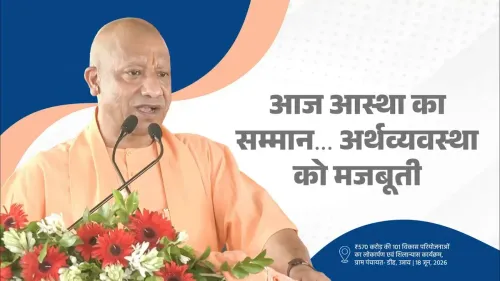
Uttar Pradesh Chief Minister Yogi Adityanath on 26 June 2026 warned that those who tamper with public faith will face a strict zero-tolerance response, continuing his administration's nine-year pattern of uncompromising action on faith and communal order issues.
Key Takeaways
Yogi Adityanath posted on 26 June 2026 declaring zero tolerance against those who tamper with public religious faith in Uttar Pradesh .
The statement continues a governance pattern established since 2017 when the BJP government first announced strict measures on faith-related law and order.
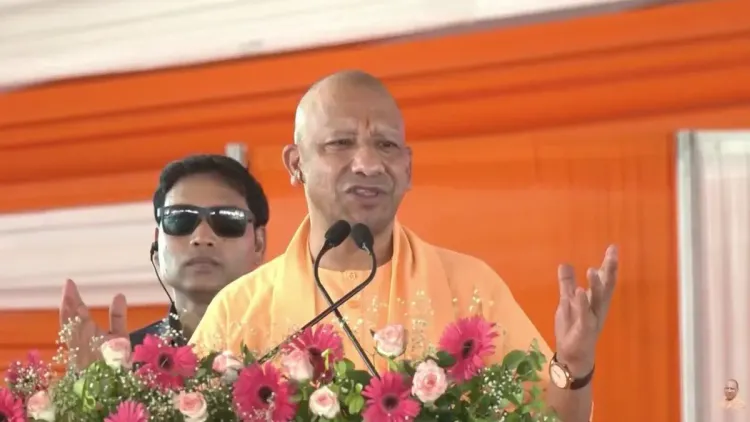
The post included a video; the specific incident prompting the remark has not been officially clarified.
Law enforcement agencies across Uttar Pradesh's 75 districts are the primary operational stakeholders expected to act on such directives.
The zero-tolerance framework has previously encompassed cow protection, anti-conversion legislation, and communal incident response.
Follow-up police circulars or administrative orders will indicate the precise scope and trigger of this latest warning.
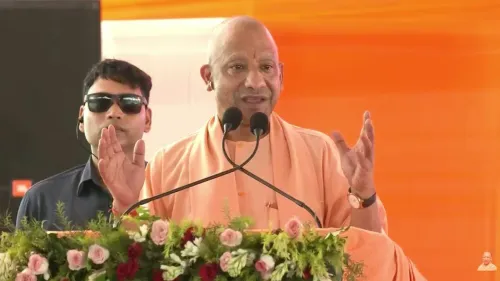
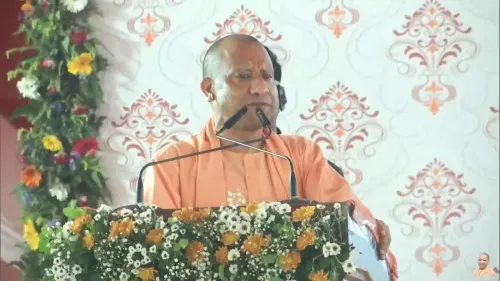
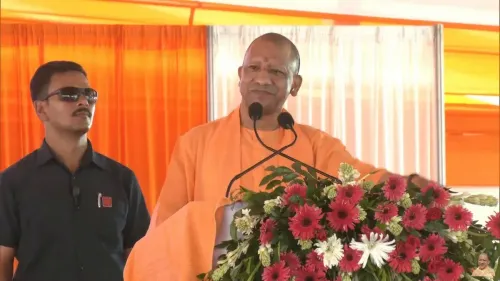
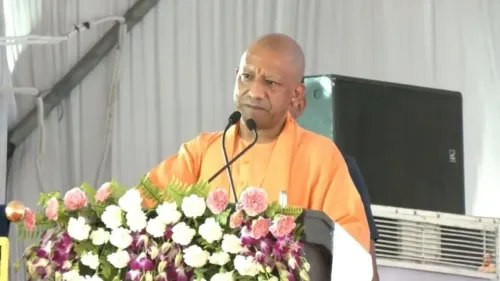
Uttar Pradesh Chief Minister Yogi Adityanath on Friday, 26 June 2026, issued a sharp warning that those who tamper with public religious faith will face an uncompromising response from his administration, signalling an intensification of the state government's long-standing law-and-order posture on faith-related matters.
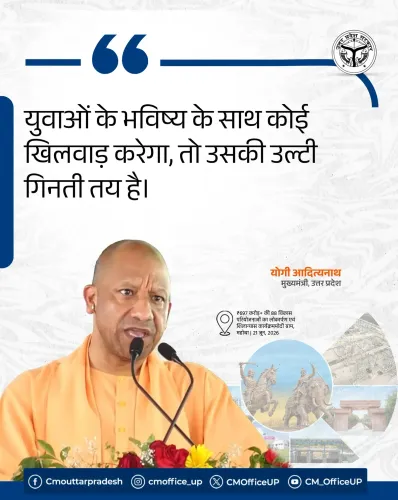
In a post on X, Chief Minister Adityanath wrote in Hindi: 'जन-आस्था के साथ जो खिलवाड़ करेगा, उसके प्रति जीरो टॉलरेंस की नीति के साथ कार्य करेंगे' — translated: 'Those who tamper with public faith will be dealt with through a policy of zero tolerance.'
Context
The statement arrives against the backdrop of Uttar Pradesh's consistent record of firm administrative action on issues perceived as threats to religious sentiments. Since 2017, when Adityanath first assumed office, the state government has repeatedly framed its governance around protecting public faith and maintaining communal order. The Chief Minister's choice of the phrase 'zero tolerance' echoes language he has used across multiple policy domains — from cow protection drives to anti-conversion enforcement.
The post included a video, though the specific incident or event that prompted the remark has not been officially clarified by the government at the time of publication.
Policy Backdrop
The BJP government in Uttar Pradesh has built a legislative and administrative architecture around faith-related policing over the past nine years. Shortly after taking charge in 2017, Adityanath announced a zero-tolerance stance against cow slaughter and smuggling, directing law enforcement to act decisively. Between 2017 and 2020, the state also strengthened enforcement of anti-conversion legislation, instructing police to treat incidents affecting religious sentiments as priority matters.
This accumulated policy record gives the June 2026 statement institutional weight beyond rhetoric. When the Chief Minister invokes 'zero tolerance,' it signals to both law enforcement agencies and the public that administrative machinery is expected to act, not merely respond.
Stakeholders and Impact
Law enforcement agencies across Uttar Pradesh's 75 districts are the primary operational stakeholders — such statements from the Chief Minister's office have historically preceded directives to police commissioners and district magistrates to tighten vigilance. Religious communities, both those who feel their faith is under threat and those who may be subject to increased scrutiny, are directly affected by how broadly or narrowly the administration defines 'tampering with public faith.'
Civil liberties groups and opposition parties in the state have in the past raised concerns that sweeping zero-tolerance language can lead to overreach, while the ruling dispensation argues it deters actors who exploit religious sentiment for disruption.
What's Next
Observers will watch for any follow-up administrative orders, police circulars, or press briefings from the Uttar Pradesh government that specify the trigger and the intended scope of action. With the state's political calendar drawing closer to the next assembly election cycle, statements of this nature tend to set the tone for ground-level enforcement priorities. The Chief Minister's office has not issued a clarifying statement, and the precise context of the warning remains to be established through official channels.
Point of View
' a phrase the Chief Minister has deployed across cow protection, anti-conversion, and communal order contexts, suggests a consistent political communication strategy designed to reassure a core constituency while putting potential disruptors on notice. In the run-up to future electoral cycles, such statements also serve as a benchmark against which the administration's actual enforcement record will be measured. The absence of a specific trigger makes the statement broad enough to apply to multiple scenarios — which is itself a political choice.
NationPress
24 Sept 2026
Frequently Asked Questions
What did CM Yogi Adityanath say about public faith on 26 June 2026?
CM Yogi Adityanath stated that those who tamper with public faith will be dealt with through a strict zero-tolerance policy, posting the warning in Hindi on his official X account on 26 June 2026 .
What is Yogi Adityanath's zero-tolerance policy?
Since 2017 , Yogi Adityanath has used zero-tolerance as a governing framework in Uttar Pradesh , applying it to cow slaughter, anti-conversion enforcement, and actions perceived as threats to religious sentiments or communal order.
Which incident prompted Yogi Adityanath's warning about public faith?
The specific incident or event that prompted the 26 June 2026 post has not been officially clarified by the Uttar Pradesh government at the time of publication.
How has Uttar Pradesh enforced laws related to religious faith?
Uttar Pradesh under Yogi Adityanath has strengthened enforcement of cow protection laws and anti-conversion legislation since 2017 , directing police and district administration to treat faith-related incidents as priority law-and-order matters.
What does zero tolerance on public faith mean for law enforcement in UP?
In practice, zero-tolerance declarations from the Chief Minister's office have historically led to directives for police commissioners and district magistrates across Uttar Pradesh's 75 districts to increase vigilance and act swiftly on complaints related to religious sentiments.