Shivraj launches DBT for ICAR scholarships, pays 6,080 students
Synopsis
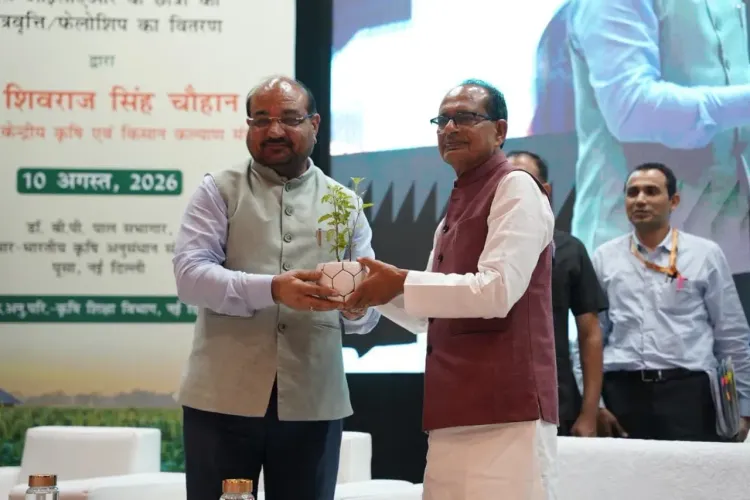
Union Agriculture Minister Shivraj Singh Chouhan launched DBT-based scholarship disbursement for ICAR students via the National Scholarship Portal on 10 August 2026, transferring funds directly to 6,080 student accounts in a single click, ending years of multi-step institutional delays.
Key Takeaways
Union Agriculture Minister Shivraj Singh Chouhan launched DBT-based scholarship disbursement for ICAR students on 10 August 2026 .
Scholarships and fellowships will now be credited directly to student bank accounts via the National Scholarship Portal , ending the university-college relay chain.
6,080 ICAR students received their scholarships in a single-click transfer at the launch event.
The reform responds to a specific complaint raised by students at last year's agriculture students' conference, where delays lasting until exam season were flagged.
ICAR's integration into the DBT framework extends a national policy push — begun in 2013 — to bring education welfare transfers fully onto direct-credit rails.
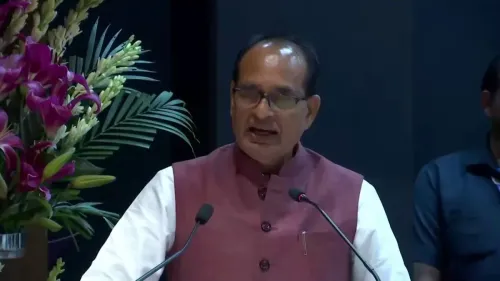
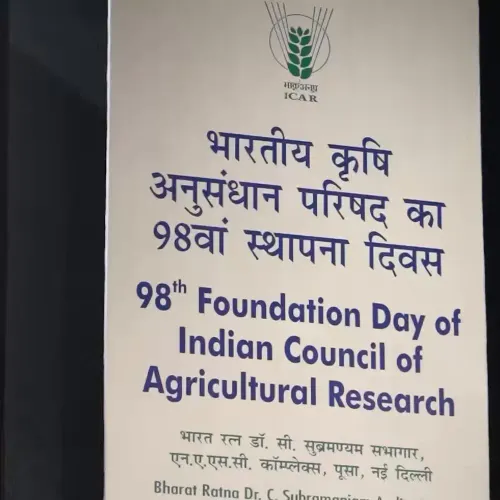
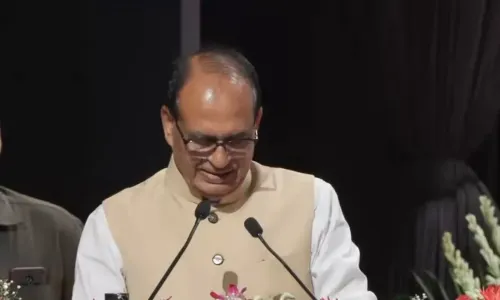
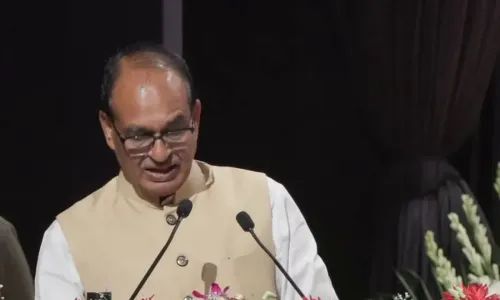
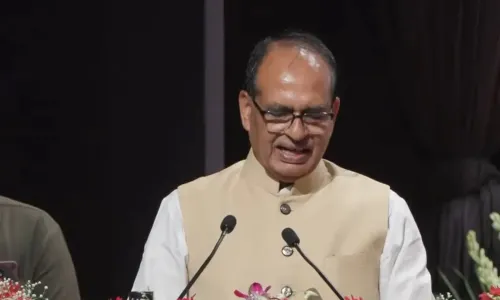
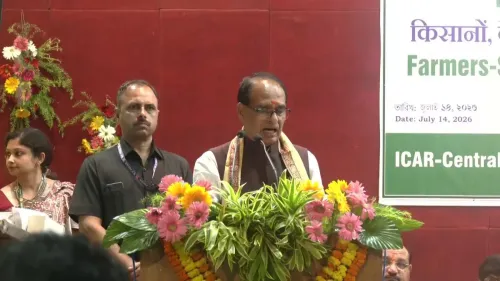
Scholarships that once crawled through universities and colleges before reaching students — sometimes arriving only at exam time — will now land directly in their bank accounts. Union Agriculture Minister Shivraj Singh Chouhan on Monday, 10 August 2026, launched the Direct Benefit Transfer facility for ICAR scholarships and fellowships through the National Scholarship Portal, and with a single click transferred funds to 6,080 students simultaneously.
The problem students flagged — and Chouhan heard
The minister traced the reform directly to a complaint raised at last year's agriculture students' conference. Students had pointed out that scholarship money first went to the university, then to the college, and only then — often weeks or months later — trickled down to individual accounts. 'Itni der ho jaati thi ki pareeksha tak aa jaati thi' ('So much time would pass that exams would arrive first'), Chouhan recalled. That feedback became the brief for today's fix.
The new DBT routing cuts the institutional chain entirely. Funds flow from the government directly into each student's bank account, bypassing the multi-step relay that had made the system notoriously slow. For students in agricultural colleges across India — many of them from rural families managing tight budgets — the timing of a scholarship is not a bureaucratic detail; it is the difference between buying textbooks before a semester begins or scrambling after it ends.
DBT in education: a decade-long push reaches agricultural research
India's Direct Benefit Transfer framework, rolled out nationally from 2013, has progressively expanded into education welfare transfers. The National Scholarship Portal serves as the central spine — a single platform where students apply, documents are verified, and disbursements are processed across multiple ministries. Integrating ICAR's scholarship and fellowship programmes into this architecture brings the apex agricultural research and education body fully into the DBT fold.
ICAR oversees agricultural education and research across a vast network of universities, institutes, and Krishi Vigyan Kendras. Its students and research fellows — the next generation of agricultural scientists and extension workers — are now the direct beneficiaries of what Chouhan called 'an important reform in the interest of students.'
What the single-click transfer signals
The symbolic weight of transferring scholarships to 6,080 accounts in one click is deliberate. It is the government demonstrating, in real time, that the plumbing works. The metric to watch now is whether subsequent academic cycles maintain this speed, and whether the coverage expands to a larger cohort of ICAR-affiliated students in the years ahead.
For a ministry that must simultaneously manage farm distress, food security, and rural development, investing in the pipeline that produces agricultural scientists is a long-game bet — and today's launch is a down payment on it.
Point of View
Chouhan frames it as responsive governance rather than top-down technocracy, a politically useful distinction for a ministry that must court rural youth. The move also tightens the Agriculture Ministry's grip on ICAR's student welfare narrative ahead of an election cycle where agrarian sentiment will matter. The real test is scale and consistency: a one-time single-click moment is optics; sustained on-time disbursement across every academic cycle is the actual reform.
NationPress
11 Aug 2026
Frequently Asked Questions
What is the DBT facility launched for ICAR students?
It is a Direct Benefit Transfer mechanism integrated with the National Scholarship Portal that routes ICAR scholarships and fellowships directly into students' bank accounts, bypassing the earlier multi-step university-college chain.
How many students received scholarships in today's transfer?
Agriculture Minister Shivraj Singh Chouhan transferred scholarships to 6,080 ICAR students simultaneously through a single-click disbursement on 10 August 2026.
Why were ICAR scholarships delayed before this reform?
Funds previously flowed from the government to the university, then to the college, and finally to the student — a multi-step relay that often meant scholarships arrived only around exam time, according to complaints students raised at last year's agriculture students' conference.
What is the National Scholarship Portal?
The National Scholarship Portal is a centralised government platform that handles application, processing, and DBT-based disbursement of scholarships from multiple ministries, serving as the backbone for today's ICAR scholarship launch.
Which ministry oversees ICAR and its student scholarships?
ICAR — the Indian Council of Agricultural Research — functions as an autonomous body under the Ministry of Agriculture and Farmers Welfare , currently headed by Minister Shivraj Singh Chouhan.