Shivraj calls for demand-driven research at ICAR's 98th Foundation Day
Synopsis
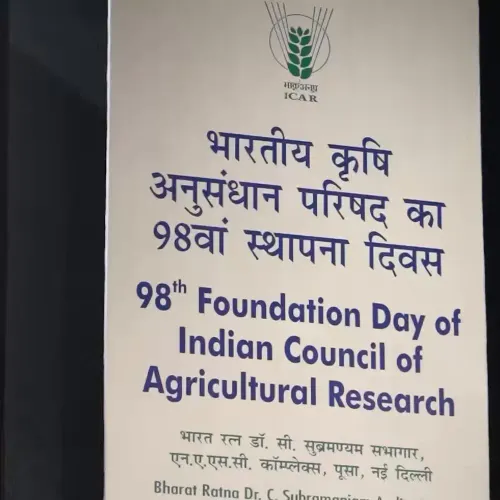
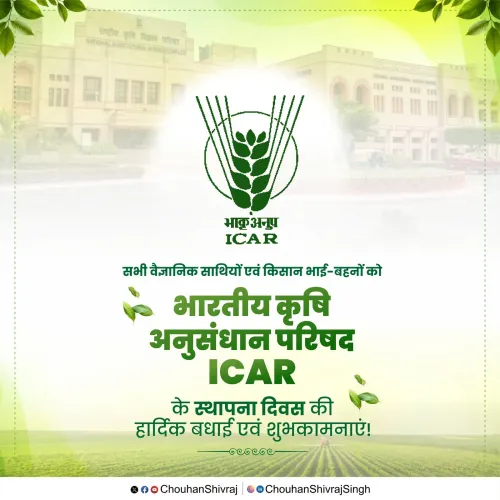
Union Agriculture Minister Shivraj Singh Chouhan, addressing ICAR's 98th Foundation Day on 16 July 2026, urged the apex research body to shift from academic paper-writing toward demand-driven research that solves real problems for farmers, soil, and the nation.
Key Takeaways
ICAR completed 97 years since its founding on 16 July 1929 , marking its 98th Foundation Day on 16 July 2026.
Union Agriculture Minister Shivraj Singh Chouhan called the foundation day a 'day of resolve' and urged a pivot to demand-driven research .
Chouhan stated research must address the needs of farmers, the earth, and the country — not merely generate academic publications.
ICAR is the apex body coordinating India's agricultural research through a network of over 100 institutes , state agricultural universities, and Krishi Vigyan Kendras .
The minister's remarks signal a government push to align public agricultural science with field-level challenges such as climate resilience, soil health, and crop productivity.
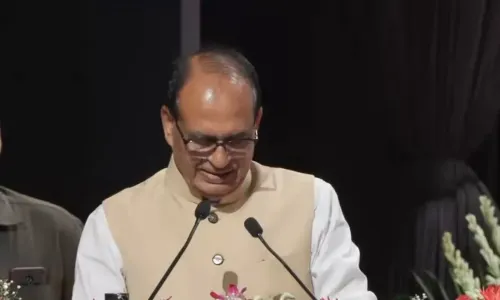
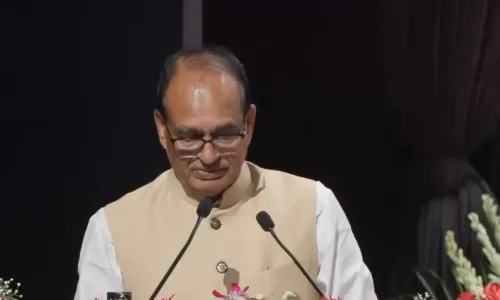
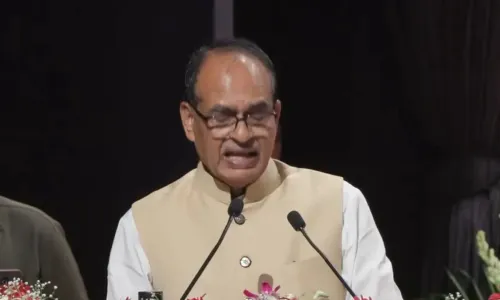
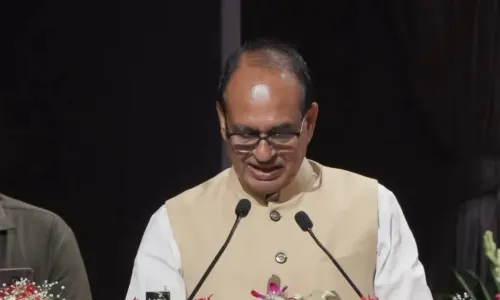
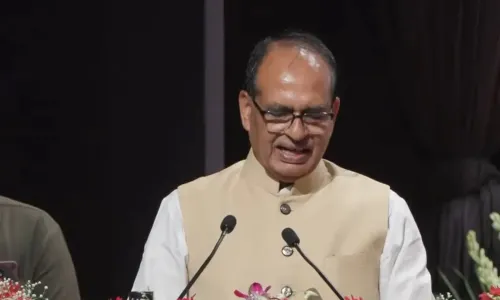
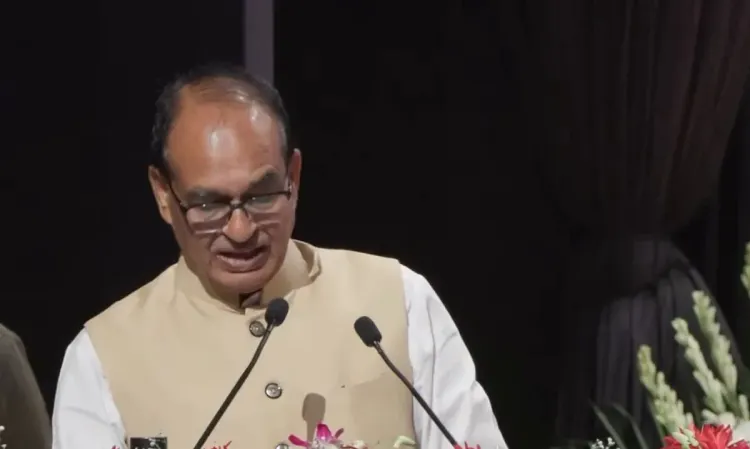
Union Agriculture Minister Shivraj Singh Chouhan on Thursday, 16 July 2026, addressed the 98th Foundation Day of the Indian Council of Agricultural Research (ICAR), calling on the institution to reorient its research priorities firmly toward the needs of farmers, soil health, and national food security.
Context
Speaking at the event, Chouhan declared that the foundation day must be treated as a day of resolve — 'स्थापना दिवस, संकल्प दिवस है' ('The foundation day is a day of resolve'). He urged ICAR scientists to ensure that agricultural research is not conducted merely to produce academic papers, but to deliver solutions to real-world problems faced by farmers and the land.
In his words: 'Research should not be just for writing papers, but for solving the needs of the farmer, the earth, and the country.' The minister's remarks, shared on his official X account under the hashtag #98foundationday, signal a clear directional push from the government toward what he termed 'demand-driven research.'
Policy Backdrop
ICAR was established on 16 July 1929 as the apex autonomous body for coordinating agricultural research and education across India. Over nearly a century, it has grown into a vast network of institutes, state agricultural universities, and Krishi Vigyan Kendras (KVKs) that together form the National Agricultural Research System (NARS).
Successive governments have grappled with the tension between academic output metrics and on-the-ground agricultural impact. The emphasis on demand-driven research echoes a long-standing policy debate about whether publicly funded agricultural science adequately addresses field-level challenges such as climate resilience, soil degradation, and crop productivity in smallholder farming contexts.
Chouhan, who served four terms as Chief Minister of Madhya Pradesh — a predominantly agrarian state — has consistently positioned farmer welfare at the centre of his public identity. His current ministerial portfolio covering both Agriculture & Farmers Welfare and Rural Development gives him broad institutional leverage to push such an agenda.
Stakeholders and Impact
The primary beneficiaries of a demand-driven research shift would be India's approximately 140 million farm households, who depend on publicly funded science for improved seed varieties, pest management solutions, and soil advisory services. Agricultural scientists within ICAR's network of over 100 institutes would face a recalibration of performance expectations — moving from publication counts toward technology transfer and farmer adoption rates.
State agricultural universities and KVKs, which serve as the last-mile link between research and the farmer, stand to gain greater relevance if ICAR's upstream research is better aligned with problems identified at the grassroots level. Industry stakeholders in agri-inputs and agri-tech would also watch any restructuring of ICAR's research agenda closely, as public research outcomes frequently shape the pipeline for private innovation.
What's Next
Foundation-day addresses by senior ministers often set the tone for institutional priorities in the months that follow. Observers will watch for any formal policy directives, budget reallocations, or institute-level restructuring announcements that translate Chouhan's stated vision into operational mandates for ICAR. The minister's call for 'demand-driven research' is likely to resurface in upcoming parliamentary discussions on the agriculture budget and in ICAR's own annual programme planning cycles. Whether the exhortation translates into measurable changes in how research proposals are evaluated and funded will be the true test of its impact.
Point of View
' the minister is applying pressure on a body that has historically been evaluated on publication metrics, nudging it toward technology transfer and adoption outcomes. This fits a broader BJP governance narrative of making state institutions visibly accountable to the rural voter base. The real test will come in whether ICAR's funding structures and performance evaluations are formally revised to reflect this stated priority.
NationPress
14 Oct 2026
Frequently Asked Questions
When was ICAR's 98th Foundation Day celebrated?
ICAR's 98th Foundation Day was celebrated on 16 July 2026 , marking 97 years since the Indian Council of Agricultural Research was founded on 16 July 1929.
What did Shivraj Singh Chouhan say at ICAR Foundation Day 2026?
Chouhan called the foundation day a 'day of resolve' and urged ICAR to prioritise demand-driven research that solves real problems for farmers, soil health, and national food security, rather than focusing solely on academic publications.
What is demand-driven research in agriculture?
Demand-driven research refers to scientific work that is shaped by the actual needs of farmers and the agricultural sector — such as climate resilience, pest control, and soil health — rather than by academic or institutional publication targets.
What is ICAR and what does it do?
The Indian Council of Agricultural Research (ICAR) is India's apex autonomous body for coordinating agricultural research, education, and extension. Founded in 1929, it operates over 100 institutes and links with state agricultural universities and Krishi Vigyan Kendras across the country.
Why is Shivraj Singh Chouhan associated with farmer welfare?
Chouhan served four terms as Chief Minister of Madhya Pradesh , an agrarian state, and currently holds the Union portfolio of Agriculture & Farmers Welfare and Rural Development , making farmer welfare a central theme of his political and administrative career.