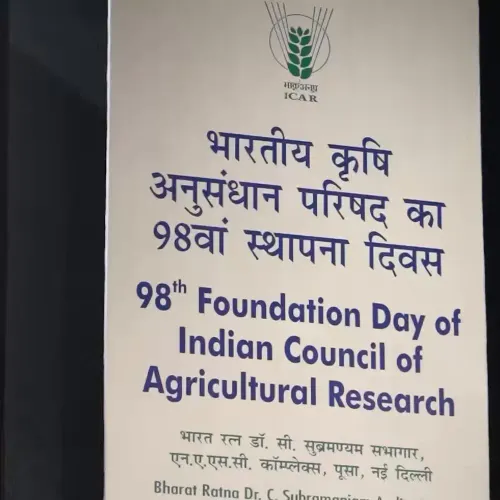
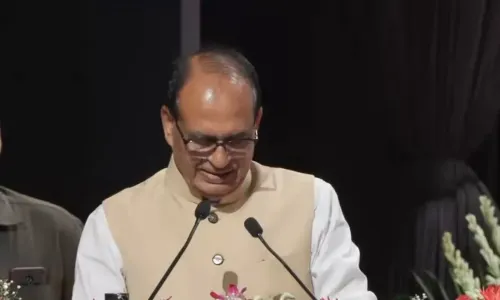
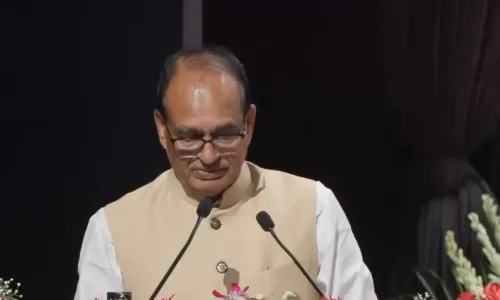
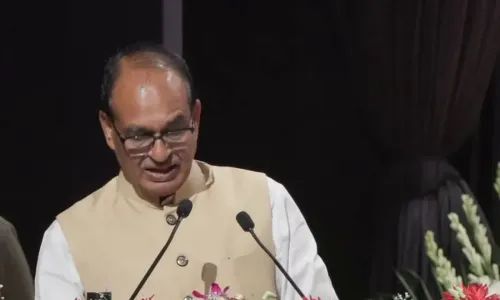
Shivraj Singh Chouhan Marks ICAR's 98th Foundation Day
Synopsis
Union Agriculture Minister Shivraj Singh Chouhan marked ICAR's 98th Foundation Day on 16 July 2026, stating that 'much work still remains' and calling for fresh resolves alongside pride in the council's nearly century-long record of agricultural research and farmer service.
Key Takeaways
Union Agriculture Minister Shivraj Singh Chouhan posted on X marking ICAR's 98th Foundation Day on 16 July 2026 .
He stated that 'a great deal of work still remains' and called for fresh resolves alongside pride in achievements.
ICAR was established on 16 July 1929 and is India's apex body for agricultural research, education, and extension.
The 98th anniversary falls one year before ICAR's centenary milestone in 2029 , lending added significance to forward-looking commitments.
Key stakeholders include over 100 million agricultural households in India who benefit from ICAR's research outcomes.
The minister's message signals possible policy announcements on agricultural R&D priorities in upcoming budget and parliamentary sessions.
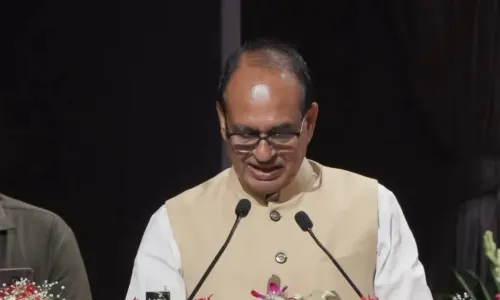
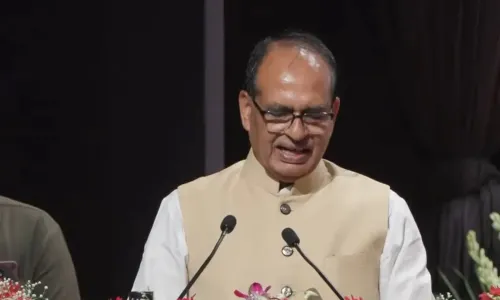
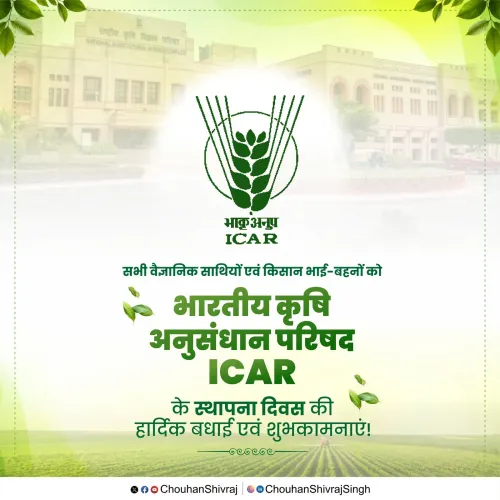
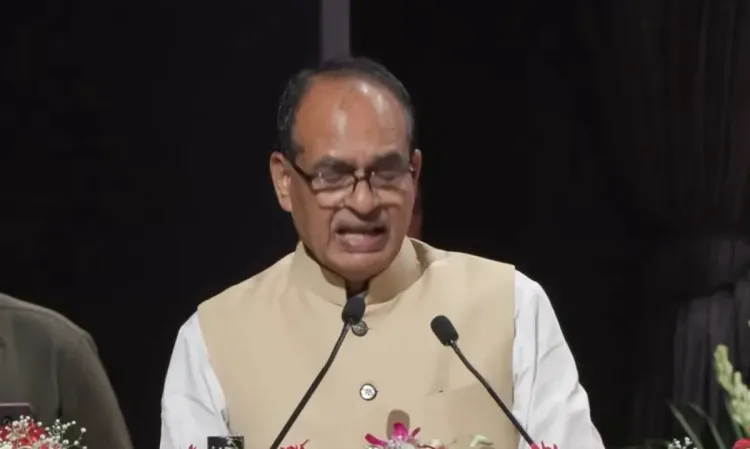
Union Agriculture Minister Shivraj Singh Chouhan on Thursday, 16 July 2026, marked the 98th Foundation Day of the Indian Council of Agricultural Research (ICAR), calling for fresh resolve alongside pride in past achievements and underlining that 'much work still remains.'
Posting on X, the minister wrote: 'काम अभी बहुत बाकी है। इसलिए 98वें स्थापना दिवस पर उपलब्धियों पर गर्व के साथ कुछ संकल्प भी करने होंगे।' — translated: 'A great deal of work still remains. Therefore, on the occasion of the 98th Foundation Day, alongside pride in our achievements, we must also make certain resolves.'
Context
ICAR was established on 16 July 1929 as the apex autonomous body for coordinating agricultural research, education, and extension across India. Its founding pre-dates independence, and over nearly a century it has been the institutional backbone of India's agricultural science, playing a central role in the Green Revolution of the 1960s and subsequent advances in seed technology, soil science, and farm productivity.
The 98th Foundation Day marks one year before the centenary milestone — a moment that lends particular weight to the minister's call for fresh commitments rather than mere commemoration.
Policy Backdrop
The Ministry of Agriculture and Farmers Welfare, which Chouhan heads, works in close coordination with ICAR to translate research outcomes into field-level benefits for farmers. Successive governments have used ICAR's annual foundation day to signal policy priorities, announce research mandates, and review the council's performance against national food-security targets.
Chouhan, a four-term former Chief Minister of Madhya Pradesh, has consistently emphasised farmer welfare and rural development as central to his political identity. His framing of the anniversary as a moment for 'resolves' — not just celebration — aligns with a broader ministerial pattern of pairing institutional milestones with forward-looking commitments on agriculture.
Stakeholders and Impact
The primary stakeholders of ICAR's work are India's farmers — estimated at over 100 million agricultural households — who depend on the council's research for improved crop varieties, pest-management solutions, and climate-resilient farming techniques. Agricultural scientists, state agricultural universities, and Krishi Vigyan Kendras (farm science centres) spread across the country form the institutional network through which ICAR's findings reach the field.
The minister's acknowledgement that 'much work still remains' implicitly signals continued challenges: farm income volatility, climate stress on crops, and the need for faster technology adoption at the grassroots level remain persistent concerns for the sector.
What's Next
With ICAR's centenary year approaching in 2029, the foundation day message sets an expectant tone for announcements on new research priorities, possible budgetary enhancements for agricultural R&D, or scheme expansions in the coming parliamentary and budget sessions. Observers will watch whether the ministry follows up with concrete programmatic commitments in the weeks ahead, particularly on areas such as natural farming, digital agriculture, and climate-adaptive crop varieties that have been recurring themes in recent policy discourse.
Point of View
The messaging positions the ministry to build a narrative of purposeful preparation rather than passive commemoration. The post also reinforces Chouhan's consistent brand as a farmer-centric administrator, a persona he has cultivated across four terms as Chief Minister of Madhya Pradesh and now at the Centre. Analysts will watch whether this rhetorical commitment translates into concrete budgetary or programmatic action before the centenary year.
NationPress
14 Oct 2026
Frequently Asked Questions
What is ICAR and when was it founded?
ICAR, the Indian Council of Agricultural Research, is India's apex autonomous body for coordinating agricultural research, education, and extension. It was established on 16 July 1929 .
Why did Shivraj Singh Chouhan post about ICAR's foundation day?
As Union Agriculture Minister, Chouhan marked ICAR's 98th Foundation Day on 16 July 2026 , using the occasion to call for fresh resolves alongside pride in the council's achievements, noting that 'much work still remains.'
What did Shivraj Singh Chouhan say on ICAR's 98th Foundation Day?
He wrote that 'a great deal of work still remains' and that on the 98th Foundation Day, alongside pride in achievements, 'we must also make certain resolves,' signalling a forward-looking agenda for Indian agriculture.
What is the significance of ICAR's 98th Foundation Day in 2026?
The 98th Foundation Day in 2026 is significant because it falls just one year before ICAR's centenary in 2029 , making it a natural moment for the government to set ambitious goals for agricultural research and farmer welfare.
What role does ICAR play for Indian farmers?
ICAR develops improved crop varieties, pest-management solutions, and climate-resilient farming techniques that benefit over 100 million agricultural households in India through a network of research institutes and farm science centres.